“SO OK TRADING INSIGHT: Global Aluminium Market 2026–2033 – Transforming Industries Towards a Sustainable, Low-Carbon Future”
SO OK TRADING INSIGHT: Global Aluminium Market 2026–2033 – Growth, Strategies, and the Transition to a Low-Carbon Era
Introduction
The global aluminium industry is undergoing a major transformation. From a traditional construction material, aluminium has evolved into a strategic metal at the core of the green economy and future technologies. Rising demand in electric vehicles (EVs), renewable energy, and sustainable packaging is driving continuous market growth.
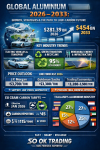
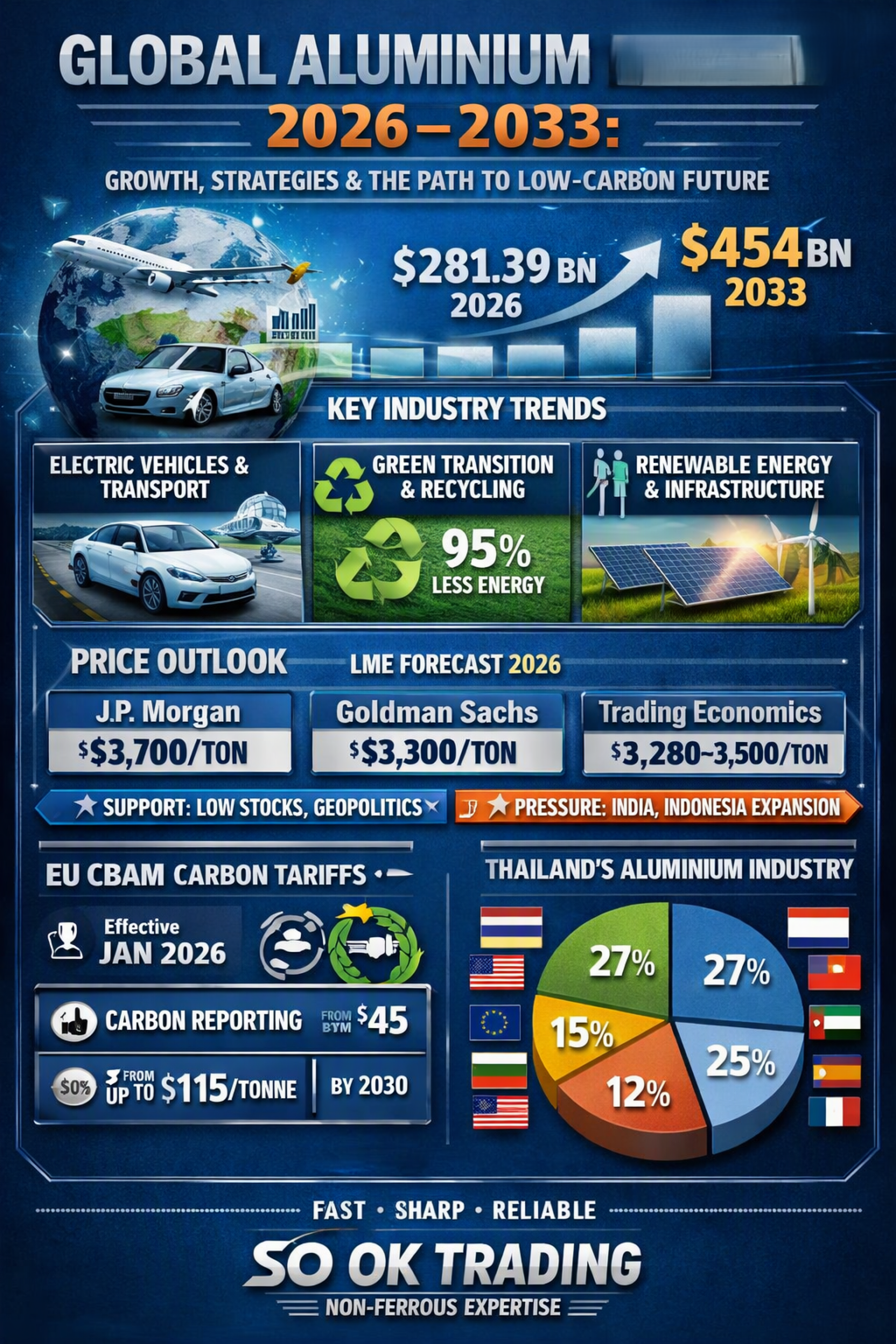
The global aluminium market is projected to expand from USD 281.39 billion in 2026 to USD 454 billion by 2033, reflecting the shift into a new era of “Low-Carbon Aluminium” powered by innovation and sustainability.
Market Overview and Growth
The aluminium market continues to grow despite supply constraints and geopolitical risks.
Rising electricity demand in production and energy control measures in China are tightening supply.
Countries such as India and Indonesia are expanding alumina production to meet global demand.
Key Industry Trends
Electric Vehicles (EVs) & Transport
Aluminium usage in EVs is growing at over 15% annually.
Applied in battery enclosures, crash management systems, and lightweight structural components.
Aerospace industries adopt advanced aluminium alloys with superior durability and thermal conductivity.
Green Transition & Recycling
Recycled aluminium consumes 95% less energy than primary aluminium.
China targets 15 million tonnes of recycled aluminium production.
ASEAN is emerging as a new production hub due to investment shifts and scrap inflows.
Renewable Energy & Infrastructure
Aluminium is widely used in solar mounting systems.
Aluminium composite panels enhance energy efficiency in modern buildings.
Price Outlook (LME)
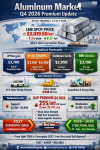
Current aluminium prices remain above USD 3,000/ton.
Forecasts for 2026–2027:
J.P. Morgan: USD 3,700 → 3,075/ton
Goldman Sachs: USD 3,300 → 2,950/ton
Trading Economics: USD 3,280 → 3,300–3,500/ton
Bullish drivers: Lowest LME stocks since 1990, geopolitical risks.
Bearish risks: New supply expansion in India, Indonesia, and the Middle East.
EU Carbon Border Adjustment Mechanism (CBAM)
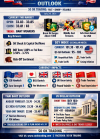
Fully effective from January 1, 2026.
European importers must report embedded greenhouse gas emissions in products.
Carbon costs start at USD 45/ton, rising to USD 115/ton by 2030.
Business models shift from “low-cost competition” to “low-carbon and technology-driven competition.”
Thai exporters must urgently establish MRV (Monitoring, Reporting, Verification) systems to maintain competitiveness in Europe.
Thailand’s Aluminium Industry
Annual trade value: THB 1.3–1.5 trillion.
Imports: Raw aluminium from Australia, South Africa, UAE/Oman; low-cost foil from China; specialty alloys from Japan.
Exports: Extruded profiles, die-cast automotive parts, aluminium sheets and foils for packaging.
Key markets: ASEAN, Japan, USA, EU.
Global Aluminium Consumption Share
Transport: 27%
Construction & Infrastructure: 25%
Packaging: 15%
Electrical & Electronics: 12%
Machinery & Others: 21%
Strategic Summary
The global aluminium market is entering the Low-Carbon Aluminium Era, driven by sustainability and innovation. Companies that embrace recycling and renewable energy will gain a competitive edge, especially in Europe’s environmentally strict markets.
For Thailand, investment in high-value products and the establishment of internationally recognized carbon monitoring systems will be crucial to maintaining competitiveness and expanding market reach.
SO OK TRADING : FAST • SHARP • RELIABLE Your trusted partner in the Non-Ferrous Metals Industry www.sooktrading.com Facebook: SO OK TRADING