Non-Ferrous Revolution – Green Metal Era: From Scrap to Global Strategic Resources and the Power of Circular Economy SO OK TRADING : September 18, 2026
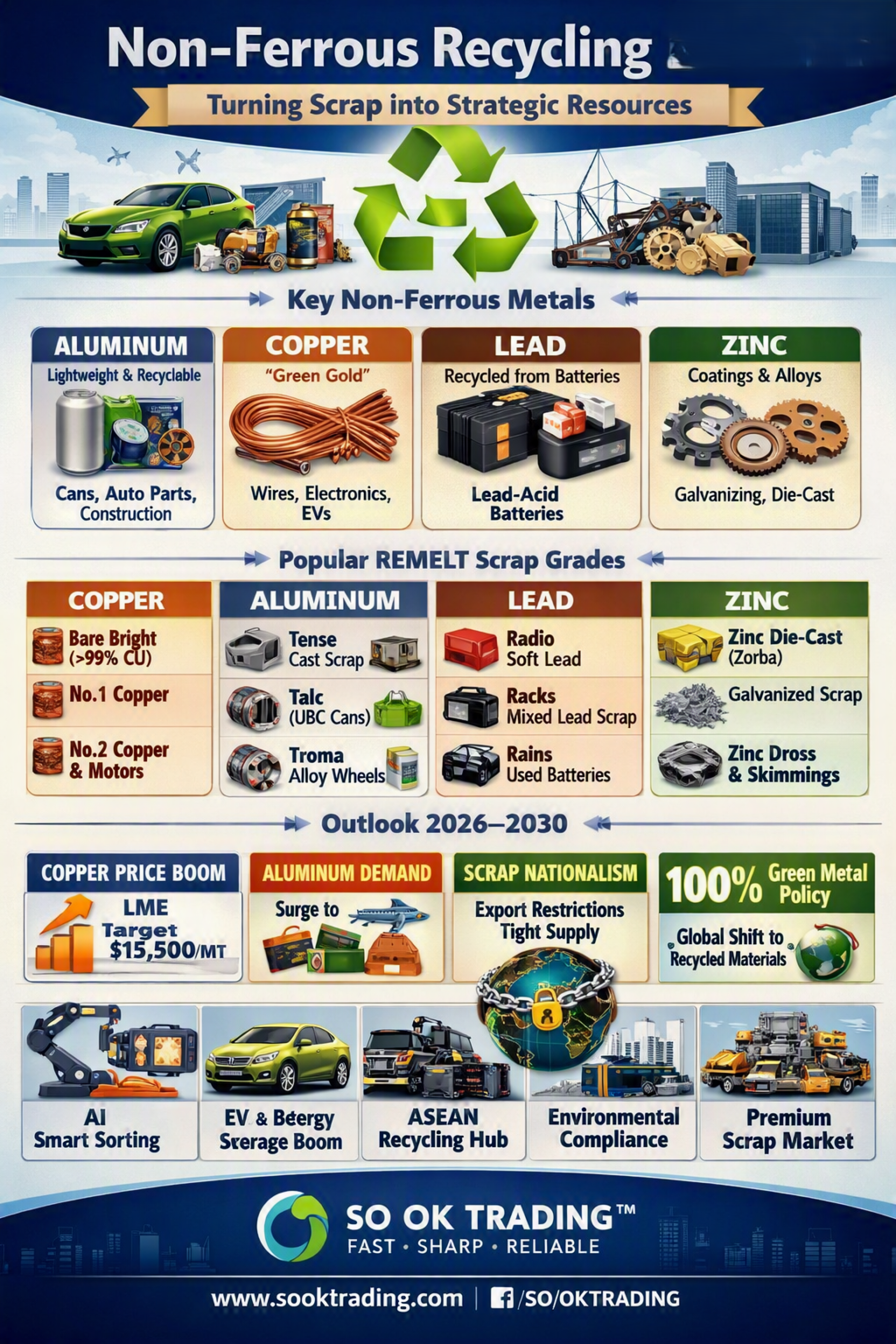
Non-Ferrous Recycling 2026 – Transforming Scrap into Global Strategic Resources
SO OK TRADING | September 18, 2026
Introduction
In an era defined by the circular economy and the clean energy transition, non-ferrous metals are no longer considered “waste.” They have been elevated into global strategic resources, powering the future of electric vehicles (EVs), digital infrastructure, and low-carbon technologies.
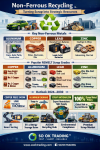
Key Non-Ferrous Metals and Recycling
Aluminum: A low-carbon metal used in UBC beverage cans, construction structures, and lightweight automotive parts.
Copper: The “green gold” of the future, essential for wires, motors, data centers, and EV batteries.
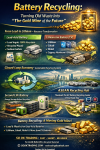
Lead: The most recyclable metal (>99%), primarily recovered from used lead-acid batteries.
Zinc: Widely applied in coatings, solder, and chemical industries.
Popular REMELT Scrap Grades
Copper
Bare Bright / Barley: Stripped copper wire, purity >99%
No.1 Copper / Berry: Clean copper tubing
No.2 Copper / Birch/Cliff: Small copper scrap and motors
Aluminum
Tense / Toto: Clean structural scrap
Troma: Alloy wheels
Talc (UBC): Used beverage cans
Twang: Engine aluminum parts
Lead
Radio: Pure soft lead
Racks: Mixed alloy lead
Rains: Used lead-acid batteries
Zinc
Zinc Die-Cast Scrap (Zorba/Zinc Alloy): Alloy scrap from machinery and electrical components
Galvanized Scrap: Zinc-coated steel from buildings and pipes
Outlook 2026–2030 – Non-Ferrous Recycling
Copper Market: Demand surging from EVs and data centers; LME prices may reach USD 15,500/MT.
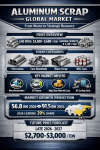
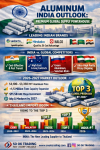
Aluminum Market: Driven by aviation, lightweight vehicles, and eco-friendly packaging; prices may rise to USD 3,600/MT.
Scrap Nationalism: Export restrictions in Europe and the U.S. tightening supply in Asia.
Green Metal Policy: Global brands shifting to 100% recycled metals to enhance sustainability credentials.
Future Directions in Non-Ferrous Recycling
Smart Sorting & AI Integration: Advanced sensor and AI technologies becoming industry standards.
EV & Energy Storage Boom: Copper and aluminum demand accelerating with battery and EV production.
Circular Economy in ASEAN: Thailand and ASEAN emerging as key recycling hubs.
Environmental Compliance: Strict pollution control systems required, especially for lead and e-waste recycling.
Premium Scrap Market: High-grade scrap commanding premium prices as smelters reduce reliance on raw ores.
Conclusion
The non-ferrous recycling industry is evolving from “waste management” into the core of the green economy. Copper, Aluminum, Lead, and Zinc are becoming the pillars of the low-carbon transition. Thailand and ASEAN have the opportunity to rise as global hubs by integrating innovation, technology, and environmental compliance.
✨ FAST • SHARP • RELIABLE SO OK TRADING – The true leader in Non-Ferrous business from Thailand www.sooktrading.com Facebook: SO OK TRADING