“Fed Raises Interest Rate 0.25% — Global Shock, Thai Impact: In-Depth Analysis on Metals and Thailand’s Economy by SO OK TRADING”
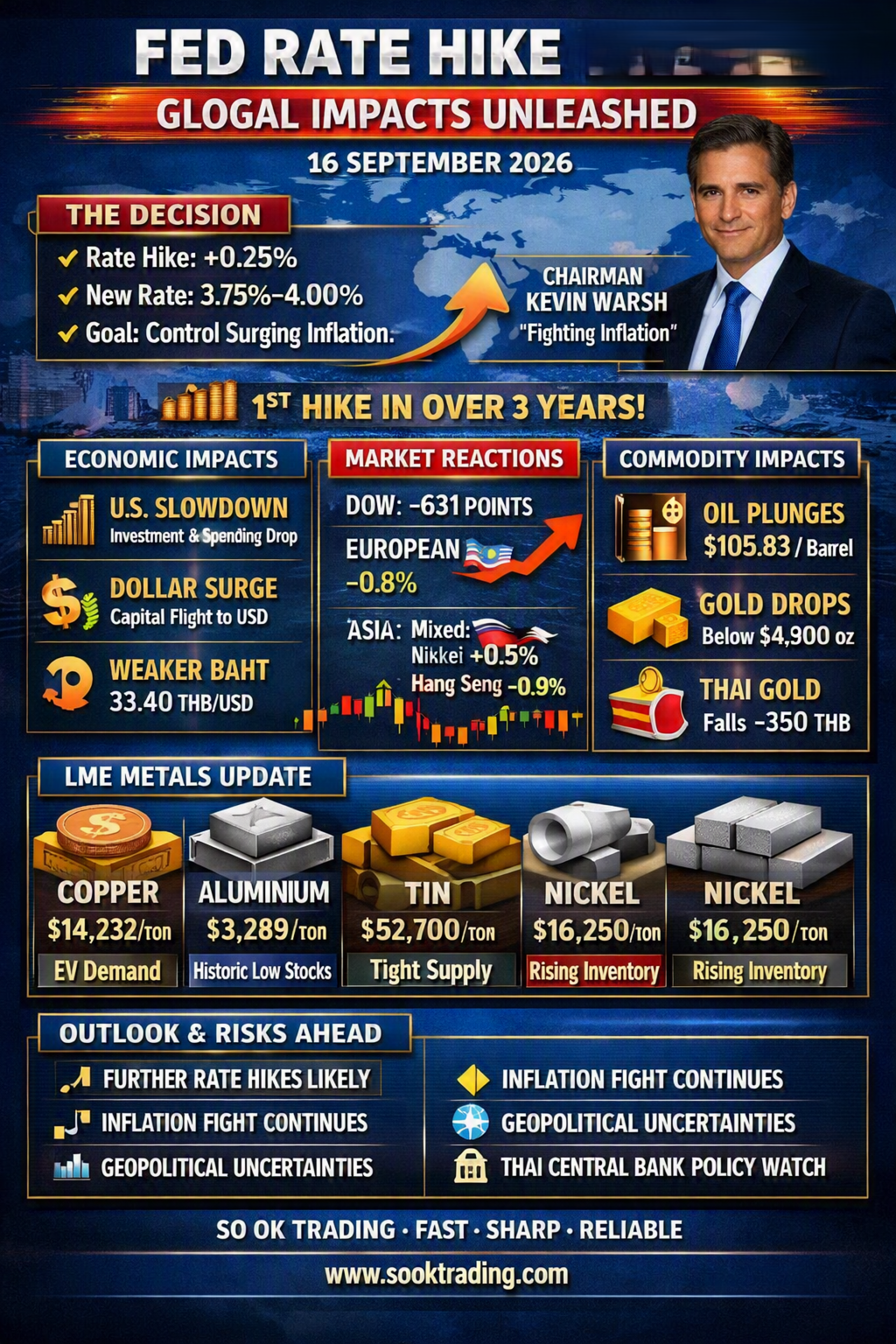
Fed Raises Interest Rate 0.25% — Global Shock, Thai Impact : SO OK TRADING
September 16, 2026
✨ Introduction
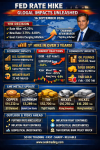
On September 16, 2026, the U.S. Federal Reserve (Fed), under the leadership of its new Chairman Kevin Warsh, announced a 0.25% policy rate hike to 3.75–4.00%. This marks the first increase in over three years, aimed at curbing inflation driven by soaring oil prices and the ongoing Middle East conflict. The decision not only shook the U.S. economy but also sent ripple effects across global financial markets, directly impacting Thailand.
Macroeconomic Impacts
Economy and Currency
U.S.: Economic slowdown, reduced investment and spending
Dollar: Strengthened immediately, investors shifted to safe assets
Thai Baht: Weakened to 33.40 THB/USD, raising import costs
Global and Thai Financial Markets
U.S. Stocks: Dow Jones plunged -631 points, S&P 500 and Nasdaq volatile
Europe: Declined ~0.6–0.8%
Asia: Mixed — Nikkei +0.5%, Hang Seng -0.9%
Thailand SET: Facing foreign sell-off pressure
Commodities and Gold
Brent Oil: Fell 2.7% to ~$105.83/barrel
Global Gold: Dropped below $4,300/oz
Thai Gold: Fell 350 THB, partially cushioned by weaker baht
⚙️ LME Non-Ferrous Metals
Dollar strength vs. supply constraints
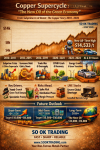
Copper: Price correction but supported by tight supply
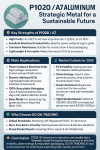
Aluminium: Pressured, yet LME stocks at 30-year low
Tin: Strong due to ~5% inventory decline
Nickel: Heavily pressured by rising inventories
Zinc & Lead: Movements tied to macroeconomic forces and currency
Outlook and Direction
Global interest rates remain in an “upward cycle”; Fed signals another hike in December to achieve 2% inflation target
Copper: Short-term volatility, long-term demand supported by EVs, data centers, and clean energy infrastructure
Aluminium: Supported by historically low inventories, but risks from bauxite supply and high-rate construction slowdown
Gold: Short-term weakness from dollar strength and bond yields, but geopolitical risks sustain safe-haven demand
Thai Equities: Must monitor foreign fund flows and Bank of Thailand’s policy response
Recommendations for Thai Businesses
Industries using copper/aluminium (wires, electronics, automotive, packaging) must strengthen inventory management
Apply hedging strategies to mitigate price and FX risks
Closely monitor Thai central bank policy to safeguard against capital outflows
Conclusion
This Fed rate hike signals a clear return to a new era of monetary tightening. Its impact spans currencies, equities, gold, commodities, and non-ferrous metals. For Thailand, the dual blow of a weaker baht and higher raw material costs keeps business expenses elevated despite some global price corrections.
In the short term, volatility will persist. In the long term, investments in clean energy infrastructure, electric vehicles (EVs), and AI data centers will drive sustained demand for metals and energy. Thai businesses must adopt proactive strategies and robust risk management to navigate this uncertainty.
SO OK TRADING
Your trusted partner in Non-Ferrous Metals from Thailand FAST • SHARP • RELIABLE www.sooktrading.com