“Circular Economy Game Changer: Aluminum & Copper Recycling Driving the Golden Era of Circular Economy, Powering the Green Economy, and Unlocking Net Zero Business Opportunities” SO OK TRADING | 10 AUG 2026

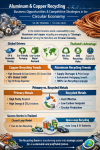
Aluminum & Copper Recycling Market Growing Rapidly: Business Opportunities and Competitive Strategies in the Circular Economy
SO OK TRADING | 10 AUG 2026
Introduction In today’s modern business world, competition is no longer measured solely by cost or quality, but by the ability to meet sustainability and environmental goals. The recycling industry, especially aluminum and copper, is becoming a strategic treasure directly linked to Net Zero targets and the Circular Economy. Recycling saves up to 80–90% of energy compared to primary extraction, reduces carbon emissions significantly, and creates new business opportunities with immense global value.
Business Analysis
Global Market Drivers Major industrial nations are stockpiling scrap metals for domestic use, reducing trade flows and driving raw material prices higher. Target industries such as EVs, renewable energy, and eco‑friendly packaging are the main buyers fueling demand for recycled metals. This creates opportunities for producers who can deliver certified low‑carbon metals to meet strict carbon tax regulations worldwide.
Thailand’s Position Thailand is elevating recycling as a pillar of its circular economy. The market structure spans from collection shops and sorting facilities to large smelters. SMEs capable of producing low‑carbon recycled metals with environmental certifications gain a competitive edge, especially in exports to Europe and the United States.
Copper Recycling Trends Copper recycling demand is surging from AI data centers, EVs, and smart grids. Rising prices of primary copper are boosting scrap value. Globally, copper recycling is expected to grow at over 10% annually. In Thailand, the market grows at 7.6% per year, ranking among the top 10 exporters, with China as a key trading partner. Expansion in the EEC industrial zones supports closed‑loop recycling systems sourcing scrap directly from factories.
Aluminum Recycling Trends Global supply shortages from China’s production limits and Africa’s export issues have pushed aluminum prices to a 4‑year high. Smelters worldwide are turning to recycled aluminum, especially in automotive lightweighting. In Thailand, aluminum recycling is the fastest‑growing segment, driven by sustainable packaging campaigns such as 100% beverage can recycling. Challenges remain with contaminated aluminum imports, requiring stricter government oversight.
Primary vs. Recycled Metals While recycled metals reduce costs and carbon, primary ores remain essential in industries requiring ultra‑high purity, such as aerospace and high‑voltage wiring. The optimal business strategy is to blend recycled metals for general applications and reserve primary metals for high‑end segments.
Circular Economy Case Studies in Thailand
Aluminum Can Industry: A closed‑loop model where old cans are recycled into new cans within 60 days — Asia’s gold standard.
Automotive Industry: Production scrap can be recycled into same‑grade sheets, but end‑of‑life vehicles often face downcycling. New challenges include managing EV batteries and power systems rich in copper and aluminum.
Conclusion The aluminum and copper recycling market is entering a golden era that not only addresses environmental concerns but also unlocks massive business opportunities. Thailand has strong potential in closed‑loop systems, especially aluminum cans, but must advance technology and strengthen traceability standards to compete in strict global markets. Overcoming these challenges will transform Thailand’s recycling industry from traditional scrap trading into a strategic resource driving a low‑carbon, sustainable economy with global business advantages.
Corporate Message
SO OK TRADING: Your Trusted Business Partner SO OK TRADING: FAST SHARP RELIABLE VISIT US AT: WWW.SOOKTRADING.COM FACEBOOK: SOOK TRADING
SO OK TRADING: The True Expert in Non‑Ferrous Metals