“Aluminum Reigns Supreme in Global Packaging 2027 – ESG Reshapes the Game! Infinitely Recyclable, Aluminum is the Material of the Future and the Beating Heart of the Global Packaging Industry” SO OK TRADING : July 30, 2026
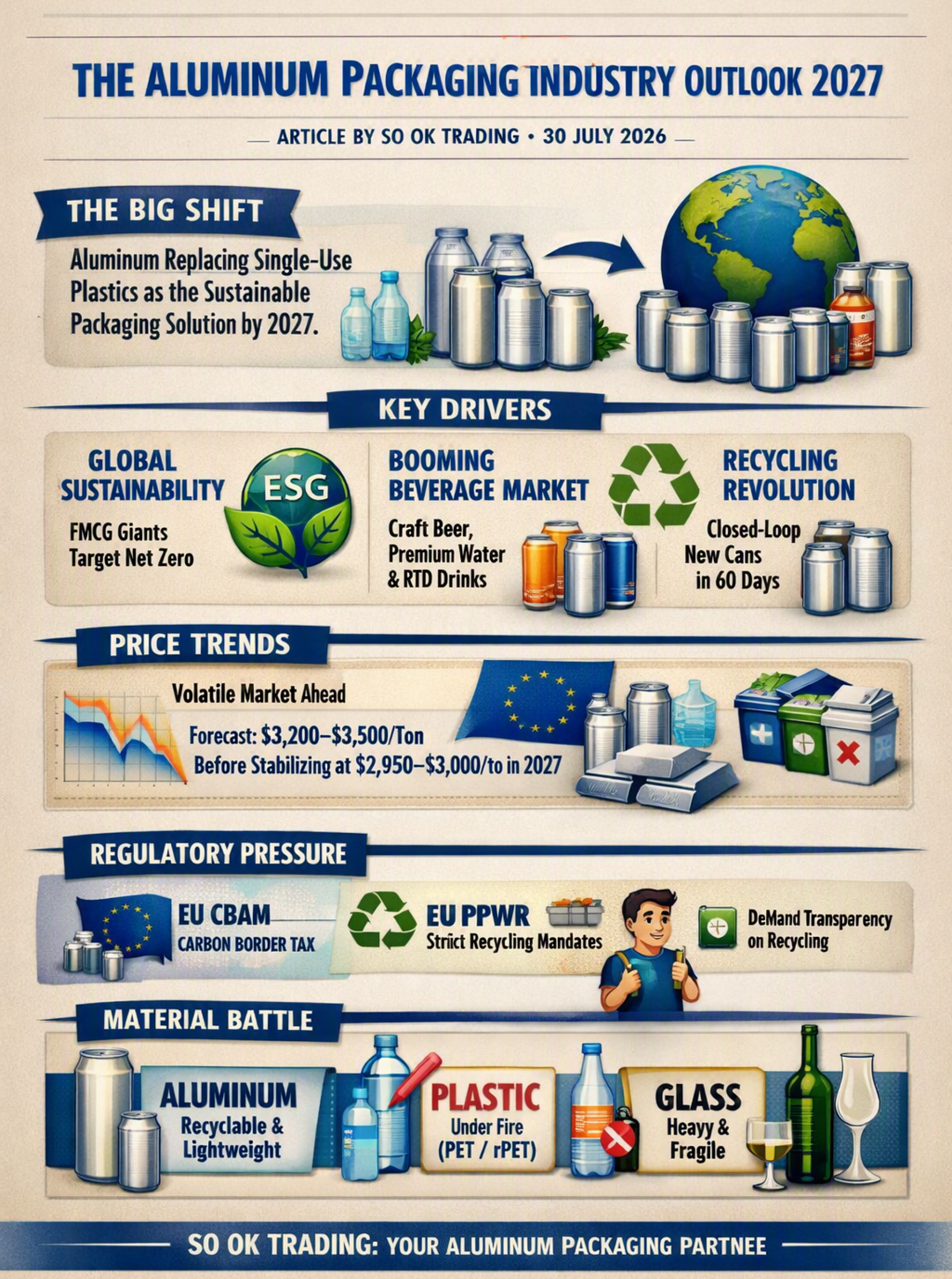
✨ Aluminum Packaging Industry Outlook 2027
Article by SO OK TRADING : July 30, 2026
2027: A Major Turning Point for Aluminum Packaging
The year 2027 marks a critical shift in the aluminum packaging industry. Driven by sustainability (ESG) pressures and the demand for truly recyclable packaging, global brands are decisively moving away from single‑use plastics toward aluminum.
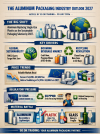
Key Drivers – ALUMINUM PACKAGING
Global Sustainability: FMCG companies aiming for Net Zero have made aluminum the “hero” of packaging, thanks to its infinite recyclability and ability to reduce carbon footprints.
Booming Beverage Market: Aluminum cans for beer, craft sodas, premium water, and ready‑to‑drink (RTD) beverages are surging in popularity, with sales climbing steadily.
Recycling Innovation: Closed‑loop recycling enables used cans to return as new cans within just 60 days, cutting both costs and emissions.
Raw Material Price Trends – ALUMINUM
The global market faces severe volatility. Supply disruptions in the Middle East and the closure of the Strait of Hormuz have halted smelters. Analysts forecast prices may spike to $3,200–$3,500 per ton, before stabilizing at an average of $2,950–$3,000 per ton in 2027. Meanwhile, China — the largest producer — is capped at 45 million tons per year, unable to expand capacity to meet global demand.
Stringent Environmental Regulations
Aluminum packaging producers exporting to Europe face unprecedented pressure:
EU CBAM: Heavy carbon taxes apply if clean energy is not used in production.
EU PPWR: Packaging must be genuinely recyclable, hazardous chemicals are banned, and restaurants/cafés must allow customers to bring reusable containers.
Consumer Behavior Toward Packaging
Modern consumers, especially Gen Z and Millennials, show clear attitudes:
Willing to pay more for eco‑friendly products.
Strong rejection of single‑use plastics.
Demand transparency, such as labeling recycled content percentages and carbon footprints.
⚔️ Material Competition
The food and beverage packaging market is a battleground of three materials:
Aluminum – infinitely recyclable, lightweight, and protective, though subject to price volatility.
Plastic (PET/rPET) – cheapest and versatile, but heavily opposed by regulations and consumers.
Glass – premium image and chemically safe, but heavy, fragile, and energy‑intensive.
Aluminum producers are winning by promoting Zero Waste, targeting premium & craft markets with resealable aluminum bottles, and investing in Green Aluminum powered by renewable energy.
Case Studies
Liquid Death (USA) – A canned water brand that skyrocketed with the slogan “Murder Your Thirst,” reaching a $700M valuation.
Greenery Water (Thailand) – Aluminum cans and resealable bottles adopted by luxury hotels and premium cafés, adding remarkable value to a simple product.
Wine & RTD Cocktails – Transition from glass bottles to sleek aluminum cans has driven 10–15% annual growth, capturing younger consumers.
Global Outlook
The world is rapidly shifting from single‑use plastics to aluminum, hailed as the material of the future for achieving both Circular Economy and Net Zero.
Aluminum is capturing market share from glass and plastic in premium water, wine, RTD cocktails, craft sodas, milk, and coffee.
Aluminum bottles with resealable caps are booming, offering the convenience of plastic with the premium image of glass.
Regulations in Europe and the US mandate higher recycled content, positioning aluminum — with its highly efficient closed‑loop system — as the top choice for FMCG brands.
Thailand Outlook
Thailand is following global trends, with unique local drivers:
Full recovery of tourism is boosting demand for aluminum‑packaged beverages, especially at beaches, cafés, and outdoor events.
Consumers favor convenience and portability, making aluminum cans more appealing than glass or plastic.
Thai brands are adopting aluminum packaging to elevate premium positioning, such as bottled water in luxury hotels and ESG‑focused events.
Exporters must comply with CBAM and PPWR, making investment in Green Aluminum and renewable energy essential.
Conclusion
Between 2027 and 2035, aluminum packaging will cement its dominance as the world’s leading material. With strengths in sustainability, infinite recyclability, and premium image, aluminum is no longer just an “alternative” — it is the beating heart of the global packaging industry for the decade ahead.
SO OK TRADING : Your Trusted Business Partner SO OK TRADING : FAST • SHARP • RELIABLE www.sooktrading.com Facebook: SO OK TRADING