Underground Superpower – Australia: Dissecting the Billion-Dollar Global Aluminum Supply Chain, from upstream mining to Thailand’s automotive industry!
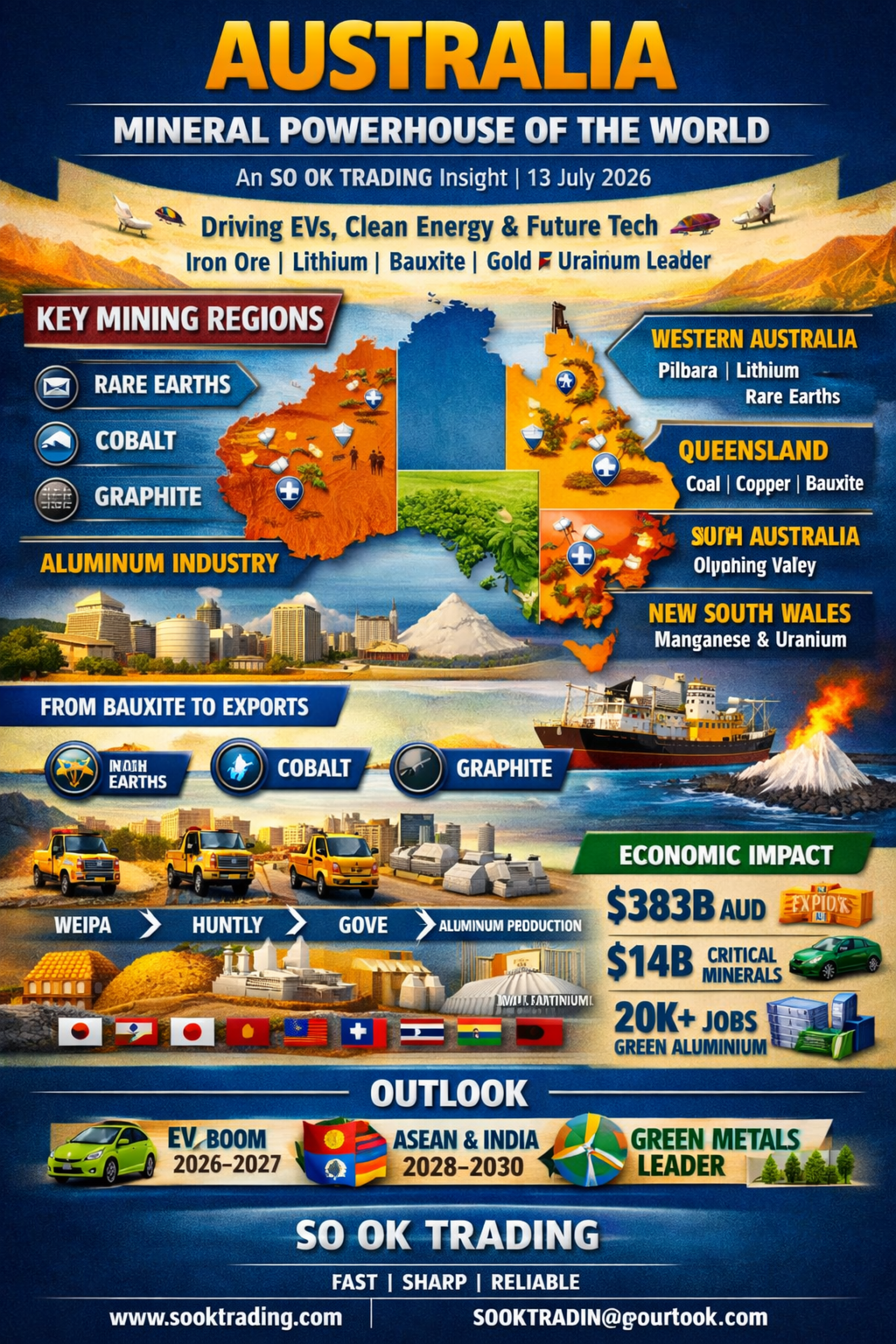
Australia: Mineral Superpower and Pillar of the Global Economy Article by SO OK TRADING | 13 July 2026
Australia is far more than the land of kangaroos and koalas. It is one of the world’s most influential “mineral treasure troves,” ranking among the top producers and holders of reserves in iron ore, lithium, bauxite, gold, and uranium. This makes Australia a cornerstone of the global supply chain, powering industries from electric vehicles (EVs) to clean energy and future technologies.
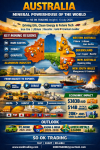
✨ Key Mining Regions
Western Australia (WA): Pilbara iron ore, Greenbushes lithium, Super Pit gold, nickel, and rare earths
Queensland (QLD): Bowen Basin coal, Mount Isa copper–zinc, Weipa bauxite (largest in the world)
South Australia (SA): Olympic Dam (uranium and copper), Jacinth-Ambrosia (zircon), Coober Pedy (opal)
New South Wales (NSW): Hunter Valley coal, Cadia Valley gold, Broken Hill mines
Northern Territory (NT): Groote Eylandt manganese, uranium
⚡ Critical Minerals for the Future Australia is positioning itself as a global supply chain leader, reducing reliance on China:
Rare Earths (REE): Mount Weld (Lynas) → permanent magnets for EVs and wind turbines
Cobalt: Murrin Murrin nickel mines → lithium-ion batteries
Graphite: Eyre Peninsula → battery anodes
Industry Giants
BHP Group: Pilbara iron ore, Olympic Dam uranium & copper
Rio Tinto: Bauxite and aluminium leader
Fortescue (FMG): Iron ore powerhouse, now expanding into clean energy
Economic Highlights
Mineral & energy exports: AUD 383 billion
Critical minerals revenue: AUD 14 billion
Aluminium industry: 20,000+ jobs, supporting 60,000 households
Government investment: AUD 2 billion in “Green Aluminium” projects
Major Bauxite Deposits
Cape York (QLD): Weipa (Rio Tinto), Bauxite Hills (Metro Mining) → AUD 6 billion/year
Darling Range (WA): Huntly & Willowdale (Alcoa) → supplying alumina refineries
Arnhem Land (NT): Gove (Rio Tinto) → 98% of raw bauxite exported directly to China
Aluminium Products
Raw Bauxite: Almost entirely exported to China
Primary Aluminium Ingots: Tomago Smelter (NSW) → Korea, Japan, Vietnam, Taiwan, Thailand
Semi/Finished Products: Sheets, extrusions, foil → USA (aerospace), New Zealand (construction), ASEAN
Export Markets – Aluminium
China: 98% of raw bauxite
South Korea: ~USD 1.1B → EVs, electronics, shipbuilding
Japan: ~USD 820M → automotive, infrastructure
Vietnam: ~USD 449M → appliances, metals
Taiwan: ~USD 370M → semiconductors, IT hardware
Thailand: ~USD 370M → automotive parts, wiring (EEC)
Summary & Outlook
Short-term (2026–2027): Rising demand for critical minerals & aluminium from EVs and Smart Cities → sustained revenue growth
Mid-term (2028–2030): ASEAN & India markets drive diversification, reducing reliance on China, with major investment in “Green Aluminium”
Long-term: Australia poised to become the global leader in green metals, anchoring EV and renewable energy supply chains
Key Takeaway: Australia is the “true player” in the global mineral and aluminium market — from bauxite to advanced products. Thailand is a vital destination, especially in automotive and electrical industries, directly linked to the growth of EVs and Smart Manufacturing.
SO OK TRADING: Your Business Partner FAST | SHARP | RELIABLE www.sooktrading.com sooktrading@outlook.com