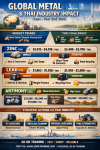
“Myanmar: From Rare Earth to Tin — Strategic Mineral Power Driving the Future” SO OK TRADING : 7 July 2026

Myanmar: Strategic Mineral Treasure the World Is Watching BASE METAL ・ RARE EARTH ・ PRECIOUS METAL SO OK TRADING : 7 July 2026
Myanmar is not just Thailand’s neighbor — it is one of Asia’s most important mineral resource hubs. Rare Earths, Base Metals, and Precious Metals are powering global high‑tech industries and clean energy.
Rare Earth: The Heart of the AI & Clean Energy Era
Myanmar has become the world’s largest producer and exporter of Heavy Rare Earths (HREE), especially Dysprosium and Terbium — critical for high‑performance permanent magnets used in EVs and wind turbines. Key deposits are located in Kachin State (Chipwi, Pangwa, Momauk) and Shan State, many under the control of ethnic armed groups, making supply highly unstable. Major issue: unregulated mining with toxic chemicals, causing cross‑border contamination into rivers in Thailand.
Outlook 2026–2027: Rare Earths in Myanmar
Prices remain bullish, driven by demand for permanent magnets in EVs and clean energy infrastructure.
Supply constrained by internal politics and ethnic militia control.
Investors should monitor mine expansions in Shan State and militia policies as key global market variables.
Base Metals: The Foundation of Global Industry
Copper: Monywa Mine, the country’s largest, operated by Chinese capital, supplies massive volumes to the global market. Prices remain bullish due to investment in power infrastructure and EV charging.
Lead & Zinc: Bawdwin Mine in Shan State is one of the world’s largest sulfide deposits. Prices remain stable, dependent on Chinese demand.
Precious Metals: Myanmar’s Hidden Wealth
Gold: Found nationwide, from large mines to artisanal panning. Used as reserve assets and war funding.
Silver: A by‑product of Bawdwin Mine, with high purity content.
Gemstones: Jade and rubies dominate the global market.
Tin: The Global Game Changer
Myanmar is the world’s 3rd largest tin exporter, after China and Indonesia. Over 70% of production comes from Wa State, controlled by the UWSA. In 2023, a “tin mining ban” triggered global shortages, pushing LME prices to USD 55,000–59,000/MT. Tin has become essential for AI data centers, EVs, and solar panels.
Outlook 2026–2027: Tin & Rare Earths in Myanmar
Prices remain high and volatile, as new mines cannot keep pace with surging demand.
Supply monopolized by UWSA and Chinese capital, reducing transparency and traceability.
Companies should use hedging contracts and monitor MJP premiums, which may rise with shipping and energy costs.
Economic Value
Rare Earths: Exports to China worth USD 600M–1.4B annually, supplying 70–80% of China’s HREE.
Base Metals: Hundreds of millions in revenue, especially copper and tin.
Precious Metals: Mostly traded off‑market, used as war funds and reserve assets.
Trade Routes & Impact on Thailand
Northeast Route: Rare Earths and base metals exported to China via Kachin and Shan States.
Southern Route: Tin and tungsten enter Thailand via Phu Nam Ron (Kanchanaburi) and Dawei.
Impact: Reports of heavy metal contamination in the Kok and Sai Rivers from Myanmar’s Rare Earth mining.
⚠️ Why Myanmar Minerals Don’t Enter LME
No smelter brands meeting LME standards.
Subject to international sanctions.
Reliance on Chinese smelters to re‑refine raw ore, exported as Chinese products → traceability difficult.
✨ Summary Outlook 2026–2027
Bullish: Tin & Rare Earth — prices soaring from AI and clean energy demand.
SO OK TRADING — FAST • SHARP • RELIABLE Your metals business partner in an era of transformation
www.sooktrading.com Facebook: SO OK TRADING