Share

“World Cup 2026: The Global Football Festival Shaking Economies – From the Pitch to the Financial Stage, When Cheers Turn into Money”
Last updated: 29 Jun 2026
128 Views

⚽ World Cup 2026 – The Sporting Spectacle Shaking the Global Economy: From the Pitch to the Wallet : SO OK TRADING: June 29, 2026

World Cup 2026 is not just a football tournament, but a “global economic festival” that reverberates across host nations and the world. While the overall impact on GDP may be limited, the micro-level effects are massive—especially in tourism, services, and beverages, which have emerged as the true profit drivers.

 
️ North American Hosts: Huge Cash Flow, Limited GDP Impact

USA: $17–30.5 billion in circulation, GDP up only 0.05%. Revenues concentrated in major cities like New York, Atlanta, and Dallas.
Mexico: The relative winner, with $3 billion in benefits, GDP rising 0.1–0.2% thanks to its tourism-driven economy.
Canada: $3.8 billion CAD in revenue, though high public costs remain controversial.
⚠️ Risk: Most revenue flows to FIFA, while host cities bear heavy expenses. For example, New York gained $55 million in tax revenue but spent $70 million.

 
Global Ripple Effects

Media & Streaming: Broadcasting rights exceed $4 billion, boosting streaming platforms and advertising.
Digital Finance: Cross-border payment systems surge, such as Mexico’s SPEI.
Consumer Behavior: Stock markets slow temporarily, but food, beverage, and bar sales skyrocket worldwide.
 
Thailand’s Economic Impact

Circulation of 57–68 billion THB.
Benefiting sectors: streaming (JAS / Monomax), restaurants, bars, smart TVs.
Risk: Football gambling worth over 45 billion THB may worsen household debt.
Beverages: Restaurants adapt with “Breakfast Football” promotions, driving RTD coffee and functional drink sales.
 
Beverages: The Real Winners

Beer: Global sales up 20–30%. AB InBev leverages the stage to push Budweiser and 0.0% beer.
Soft Drinks & Energy Drinks: Coca-Cola launches Limited Edition packs; energy drinks surge as fans stay awake.
Thailand: RTD coffee and functional drinks thrive in morning match hours.
 
⚽ Top Teams = Entertainment Economy Boom

France: Fan Zones and bars, beer sales +35%.
Argentina: Parrillas and bars packed, meat & beer sales +40%.
Spain: Tapas & Sangria nearly double sales.
UK: Pub culture generates £200M per match.

Marketing Strategies

Score-Linked Promos: Goals trigger discounts or free shots.
Fan Cave Experience: Immersive viewing spaces draw fans out of their homes.
 
Conclusion World Cup 2026 is the “global economic arena” every business must seize. Whether beer, soft drinks, or coffee, every match brings cash flow, and every glass translates into profit.

 
SO OK TRADING: Your Trusted Business Partner SO OK TRADING: FAST SHARP RELIABLE VISIT US AT: WWW.SOOKTRADING.COM FACEBOOK: SO OK TRADING


Related Content
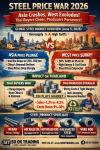
“Steel Price War 2026: Asia Falls, the West Rises — Thai Buyers Gain the Edge While Producers Battle with New Strategies, Exploring Global Trends and Green Steel Opportunities”
“Steel Price War 2026: Asia Falls, the West Rises — Thai Buyers Gain the Edge While Producers Struggle to Survive, Analyzing Global Trends and Green Steel Opportunities” The global steel market has entered one of the fiercest “two‑world battles” of the year: Asia: Oversupply and China’s slowdown have pushed iron ore prices down to around $101–102 per ton, dragging rebar, hot‑rolled coil, and wire rod prices lower across the region. The West: The US and EU imposed import tariffs of up to 50%, while energy and coking coal costs surged by 16%, driving steel prices upward despite weak demand. Thailand’s situation: Buyers benefit: Cheaper imports from China and Vietnam have pulled retail prices down by more than 8%. Producers under pressure: Electricity and shipping costs have soared by over 50%, squeezing margins and forcing reliance on state measures such as Anti‑Dumping and CBAM. Tin Plate packaging: Sales dropped by -1.2% to -4.5%, but raw material costs fell 9–10%. With a recycling rate of 92%, Tin Plate remains aligned with ESG and Green Steel trends.
5 Jun 2026
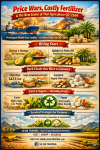
Global & Thai Agricultural Market Story Q2/2026: Price Wars, Costly Fertilizer & The World Stage SO OK TRADING | April 23, 2026
rice Wars, Costly Fertilizer & The New Game of Thai Agriculture Q2/2569 As the Middle East conflict drags on for more than 50 days, oil and naphtha shipping routes through the Strait of Hormuz have repeatedly closed and reopened, driving energy prices and freight costs relentlessly higher. At the same time, urea fertilizer prices — tied to natural gas — have surged by 20–30%, forcing Thai farmers to confront a “price war” that has seeped into every field and factory. In this article, SO OK TRADING takes you through the landscape of Thai agriculture in the second quarter — from rising stars like durian and mango to the shadowed challenges of rice and cassava — and explores survival strategies where farmers must pivot toward high-value agriculture and innovation for sustainability. FAST • SHARP • RELIABLE SO OK TRADING — Your Trusted Business Partner
23 Apr 2026
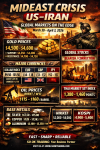
“Middle East War US–IRAN: Global Markets Shaken from Hormuz to Wall Street — Gold Surges, Stocks Fall, Currencies Swing” Situation Assessment: March 30 – April 3, 2026 By SO OK TRADING
The US–Iran war has entered its 4th week, shaking global markets — oil, gold, currencies, and equities all under pressure. SO OK TRADING deep analysis: - Gold surges to $4,600 — the ultimate safe haven - Global stocks enter correction mode - Dollar strengthens, Thai Baht weakens - Brent / WTI oil risks breaking $160 if the Strait of Hormuz is blocked - Thai SET Index remains fragile, though energy stocks may provide support Also covering forecasts for base metals, major currencies, Asian markets, and key economic indicators to watch.
29 Mar 2026
This website uses cookies for best user experience, to find out more you can go to our Privacy Policy and Cookies Policy
Powered By MakeWebEasy Logo MakeWebEasy