Share

“Thailand’s Silicon Metal: From Quartz to AI Chips, Driving Aluminum & Automotive Industries, and Powering the Clean Energy and Green Future the World Needs”

Last updated: 6 Jun 2026
781 Views

“Silicon Metal – The New Heart of Global Technology and Clean Energy” SO OK TRADING | June 6, 2026

Thailand’s Silicon Metal exports are rapidly emerging as a rising star in the global market. This is not only because of the exemption from U.S. CVD tariffs, but also because Silicon has become a strategic raw material that connects every industry of the future — from solar panels and electric vehicles (EVs) to AI chips.

 
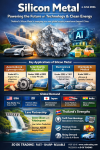
Key Applications of Silicon Metal
⚙️ Automotive & Lightweight Alloys: Grade 441 for engine blocks, pistons, and premium aluminum profiles used in high-speed rail and aerospace
☀️ Clean Energy (Solar PV): Grades 3303 & 2202 refined into Polysilicon for solar cells, driving the global clean energy transition in the U.S., Europe, and China
Electronics & AI: Grades 2202 & 1101 for semiconductor wafers and optical fibers — the backbone of AI processors, memory, and next-generation communication systems
Chemicals & Medical: Grade 3303 for organosilicon compounds such as silicone rubber, lubricants, and resins, expanding in medical and industrial applications
 
Global Demand & Opportunities
United States: High-purity grades (3303, 2202) for solar and advanced electronics; Thailand benefits from tariff-free access
Europe: Grade 441 for premium automotive and 3303 for clean energy, with CBAM regulations enforcing low-carbon imports
Japan: Imports 2202 & 1101 for semiconductors and EV batteries
China: Despite being the largest producer, still requires 3303 for solar and 553 for construction
India: A fast-growing market demanding 553 and Ferrosilicon for infrastructure and steel
 
Laos in the Supply Chain
Laos is rising as a new Silicon Metal producer, powered by hydropower.

Strength: Green Silicon with a low carbon footprint, meeting strict environmental standards in Europe and Japan
Partnership: Thailand as the marketing and logistics hub, Laos as the upstream production base
Impact: ASEAN becomes a strategic alternative supply source beyond China, which currently controls over 80% of global Silicon supply
 
Thailand’s Strengths
Competitive Costs: Tariff-free advantage makes Thai exports cheaper in the U.S. market
Premium Trust: Recognized globally for transparency and compliance with free trade rules
Booming Premium Market: Surging demand for high-purity Silicon driven by EVs, Solar, and AI
 
Strategic Outlook
Silicon Metal is no longer just a “commodity” — it is the core of the new technological world. With tariff exemptions and Laos’ Green Silicon partnership, Thailand is positioned to become a sustainable and competitive global hub for Silicon Metal exports.

 
SO OK TRADING is your trusted partner in the new Silicon era. We provide high-quality Silicon Metal for aluminum casting, alloy wheels, and advanced technology industries.

SO OK TRADING FAST • SHARP • RELIABLE www.sooktrading.com Facebook: SO OK TRADING

Related Content
ALUMINUM PRICE TREND 2026
An analysis of the aluminum market in 2026 indicates a likely continued market deficit and upward price pressure, driven by constrained supply and resilient demand from green energy sectors. However, significant volatility is expected due to policy uncertainties and the potential for new Indonesian supply to eventually balance the market. Key Drivers and Projections for 2026 Supply Side Analysis Capacity Constraints: China's primary aluminum output is approaching its self-imposed 45 million-tonne capacity cap, limiting global supply growth. Power Challenges: Smelters outside of China face intense competition for power from energy-intensive sectors like AI data centers, which are willing to pay higher prices for long-term contracts. This has kept significant capacity offline in Europe and the US. Production Disruptions: Outages and potential shutdowns at existing smelters in Iceland and Mozambique further tighten the market. Scrap Supply Pressure: The EU's planned implementation of the Carbon Border Adjustment Mechanism (CBAM) and potential scrap export tariffs in spring 2026 are expected to impact global scrap flows, creating regional shortages and price volatility. New Capacity: Indonesia is a key source of new supply, with several projects in the pipeline. However, analysts suggest the pace of the ramp-up may be slower than expected due to infrastructure and policy challenges, meaning it is unlikely to fully offset near-term tightness. Demand Side Analysis Green Transition Demand: Demand from "green" sectors such as solar panels, new energy vehicles, and energy transition infrastructure remains strong, providing fundamental support for the market. Substitution Effect: Aluminum's wide price discount relative to copper has encouraged substitution in electrical applications, acting as a tailwind for demand and prices. Construction and Automotive: The construction and automotive industries continue to be major consumers, with growing demand for lightweight, low-carbon aluminum products. Price Forecasts and Volatility The market is expected to remain in a deficit in 2026, with estimates ranging from 200,000 to 600,000 tonnes. This structural tightness is leading most analysts to forecast sustained or rising prices. Bullish Views: Analysts at Bank of America project prices of $3,000/tonne as early as 2026. J.P. Morgan also expects prices to approach $3,000/tonne in Q1 2026. ING forecasts an average price of $2,900/tonne for the year. Bearish/Conservative Views: Goldman Sachs is an outlier, forecasting prices to decline to $2,350/tonne by Q4 2026, anticipating a market surplus later in the year. SMM forecasts a "high first, then lower" pattern, with prices finding equilibrium in the $2,700–$2,800/tonne range by year-end. Premiums: Regional premiums, particularly the US Midwest premium, are expected to remain high and volatile due to tariffs and regional supply dynamics, creating a disconnect from the LME benchmark price. In essence, 2026 is projected to be a year of high volatility where participants need to focus on scenario readiness rather than relying on a single price forecast, as geopolitical and energy policies significantly influence regional supply and costs
31 Dec 2025
Rare Earths: Neodymium & Dysprosium Powering the Future of Clean Technology and Global Energy Quick Insight by SOOK TRADING
Rare Earth: Neodymium & Dysprosium Strategic Resources Driving the Future of Clean Energy and Global Industry Insight by SOOK TRADING Key Properties - Neodymium (Nd): A silver-gray metal, the core component of Neodymium-Iron-Boron (NdFeB) permanent magnets — the most powerful magnets in the world. It delivers extremely high magnetic strength in a compact size, enabling powerful yet small devices. - Dysprosium (Dy): A rare metal with very high melting and boiling points. It enhances the heat resistance of NdFeB magnets, ensuring stable performance in high-temperature environments such as electric vehicle motors and offshore wind turbines. Strategic Applications (2026) - Electric Vehicles (EVs): NdFeB magnets make motors smaller, lighter, and more powerful, while Dy improves heat resistance and prevents magnetic energy loss. - Renewable Energy: Offshore wind turbines require hundreds of kilograms of NdFeB magnets per megawatt, boosting efficiency and reducing long-term maintenance costs. - Robotics & Automation: Applied in precision joints and drive systems, supporting the growth of industrial robots and smart agricultural robotics. - Electronics & Medical Devices: Used in smartphone speakers, headphones, haptic feedback systems, MRI scanners, and advanced military radar systems. SOOK TRADING — Your Strategic Partner in Rare Earths and Clean Energy Solutions We provide high-quality materials and integrated solutions to power the future of your industry.
22 Jan 2026
This website uses cookies for best user experience, to find out more you can go to our Privacy Policy and Cookies Policy
Powered By MakeWebEasy Logo MakeWebEasy