“Aluminum Scrap = The New Gold of Recycling : Driving the Circular Economy, Rising as a Global Strategic Asset — Aluminum Scrap 2026” SO OK TRADING | 30 MAY 2026
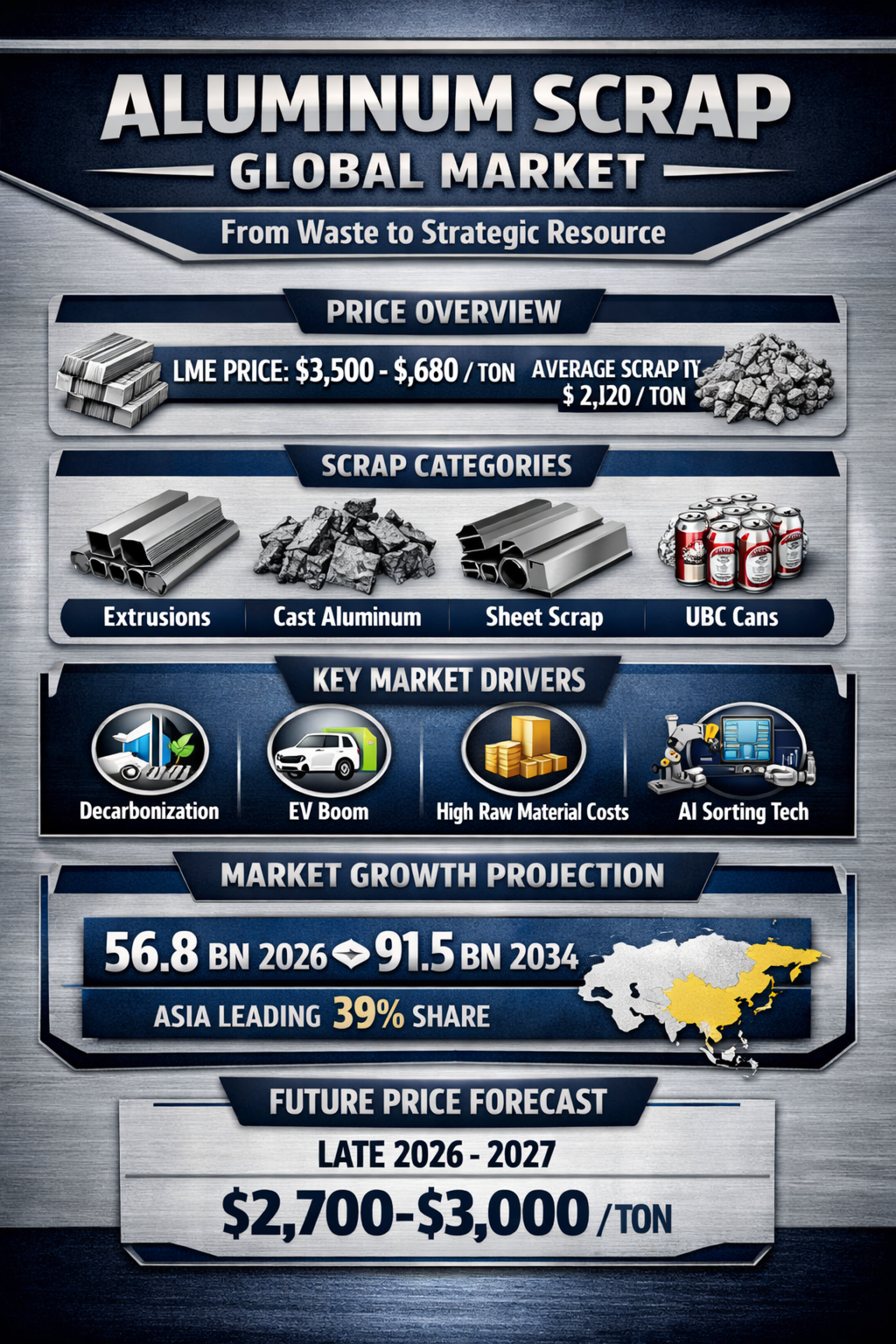
Aluminum Scrap: From Waste to Strategic Asset in the Circular Economy Era
SO OK TRADING | 30 May 2026
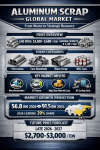
Aluminum scrap, once regarded as mere “waste,” is now being elevated into a premium raw material fiercely contested in global markets. In 2026, prices have surged to their highest level in four years, positioning aluminum scrap as the “new gold” of recycling and future industries.
Types of Aluminum Scrap
Extrusions (ISRI: Tabor/Tata) Clean window and door frames, the highest value category.
Cast Aluminum (ISRI: Tense) Engine parts, cylinder heads—strong and valuable.
Sheet Aluminum (ISRI: Taint/Tabor) Pots, pans, thin sheets, fenders.
UBC (Used Beverage Cans) Soda and beer cans, easy to recycle with a dedicated market.
Special Grades: Alloy wheels (Troma), bare wire (Talon/Taste), litho plates (Tabloid), mixed/dirty scrap (Talk).
Current Prices (May 2026)
Global Market (LME Cash): USD 3,680 – 3,735 / ton ≈ 138 – 145 THB/kg
Average Scrap Price: USD 2,150 – 2,520 / ton ≈ 80 – 98 THB/kg
Thailand Retail Buying Prices
Bare Wire: 80–81 THB/kg
Alloy Wheels: 81 THB/kg
Clean Extrusions: 70–74 THB/kg
UBC Cans: 64–68 THB/kg
Market Drivers
Decarbonization Policies Recycling aluminum consumes 95% less energy than primary smelting, helping brands comply with EU CBAM regulations.
EV Transition Surging demand for lightweight materials and recycled components.
High Primary Costs Smelters turn to scrap to reduce expenses.
AI Sorting Technology Advanced systems deliver cleaner scrap, enabling use in high-tech industries.
Global Market Outlook
Market value projected to grow from USD 56.77 billion (2026) to USD 91.49 billion (2034).
Asia-Pacific leads with 39% market share, driven by China and India.
Risk: Collection networks lag behind demand, keeping supply tight.
Future Price Forecast
Short Term (Q2–Q3 2026): Prices remain bullish at USD 3,500 – 3,900 / ton, influenced by geopolitical tensions and Guinea’s bauxite export controls.
Medium Term (Late 2026–2027): Prices expected to stabilize at USD 2,700 – 3,000 / ton as new supply from Indonesia enters the market.
Long Term: World Bank projects USD 2,700 / ton, still above historical averages (USD 2,419 / ton in 2024).
SO OK TRADING
Your trusted partner in the new era of metals FAST | SHARP | RELIABLE www.sooktrading.com Facebook: SO OK TRADING