“FERROUS & NON FERROUS 2026: Metals on Fire, Prices Soar and Shake the Global Economy – Energy Wars and Strategic Metals Rock the World” : SO OK TRADING : May 2, 2026
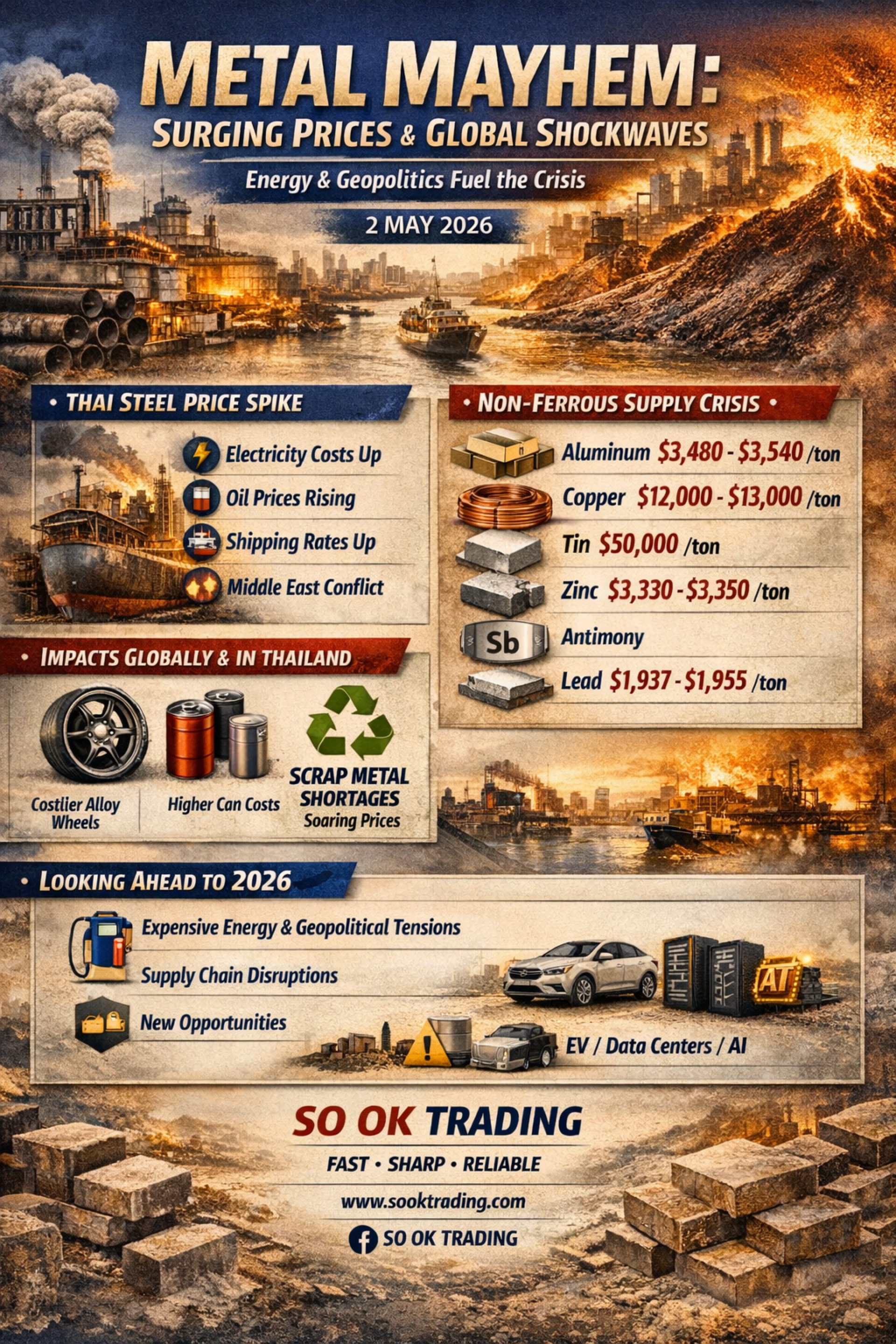
“Boiling Metals, Soaring Prices, Shaking the World – When Energy and Geopolitics Become the Key Variables” (FERROUS, NON-FERROUS): Metals and Non-Metals Rock the World: SO OK TRADING: May 2, 2026
2026 is no ordinary year for the metals market. Every price chart has become the “storyline” of the most intense global economic drama in years — a chapter filled with volatility, tension, and pressure from all directions.
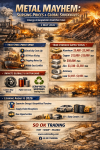
Thai Steel and the Unbearable Cost Burden In April, Thai steel producers announced price increases of 10–15%, with signals of further hikes in May. Construction rebar has risen to 22–23 THB/kg, while structural steel stands at 26–30 THB/kg.
The Four Pressures Driving Steel Prices Higher
Rising electricity costs
Expensive oil and transportation
Surging freight rates due to geopolitical crises
Middle East war tightening steel supply
This scene reflects clearly that energy costs are the main driver pushing steel prices upward.
Non-Ferrous Metals and the Supply Crisis If steel is a “life drama,” non-ferrous metals are an “action movie” — full of intensity.
Aluminum: Prices surged to $3,480–3,540/ton after Middle Eastern smelters were attacked, cutting supply by 9%. EV and solar demand continue to push prices higher.
Copper: Holding high at $12,000–13,000/ton due to mine shortages in Chile and Indonesia. Demand from data centers and the clean energy transition remains a strong support.
Tin: Exploded past $50,000/ton as Indonesia restricted exports and AI chips/semiconductors drove demand.
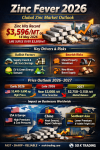
Zinc: At $3,330–3,350/ton, with tightness from low inventories, though large mines returning may ease pressure in the second half.
Antimony: Prices have eased from peaks but remain historically high, used in PV glass and strategic weaponry.
Lead: Stable at $1,937–1,955/ton, supported by lead-acid batteries for data centers and backup power systems.
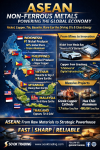
These figures show that non-ferrous metals are strategic resources the world cannot live without, and every supply crisis is fuel for price surges.
Impact on the World and Thailand
Alloy wheel and aluminum parts manufacturers raised prices immediately.
Beverage industry faces pressure from rising aluminum can costs.
Non-ferrous and ferrous recycling markets are tight, as primary resources are unavailable.
Conclusion: The Metals World in 2026 Expensive energy, heated geopolitics, and new technology demand are the three forces keeping prices high.
Lessons for producers and consumers:
Accelerate procurement before the next price hike
Watch supply crises that can shake the market in a single day
Seek opportunities in new industries using strategic metals — EVs, data centers, AI
✨ This article is not just a price report but a story of “boiling metals,” showing that in 2026, metals are no longer just commodities — they are the driving force of the future economy.
SO OK TRADING: Your Business Partner SO OK TRADING: FAST • SHARP • RELIABLE
VISIT US AT: WWW.SOOKTRADING.COM FACEBOOK: SO OK TRADING