Share

“Hormuz War: When Logistics and Plastic Packaging Become the Fragile Points of Global Trade” (Article by SO OK TRADING · March 29, 2026)
Last updated: 29 Mar 2026
2852 Views

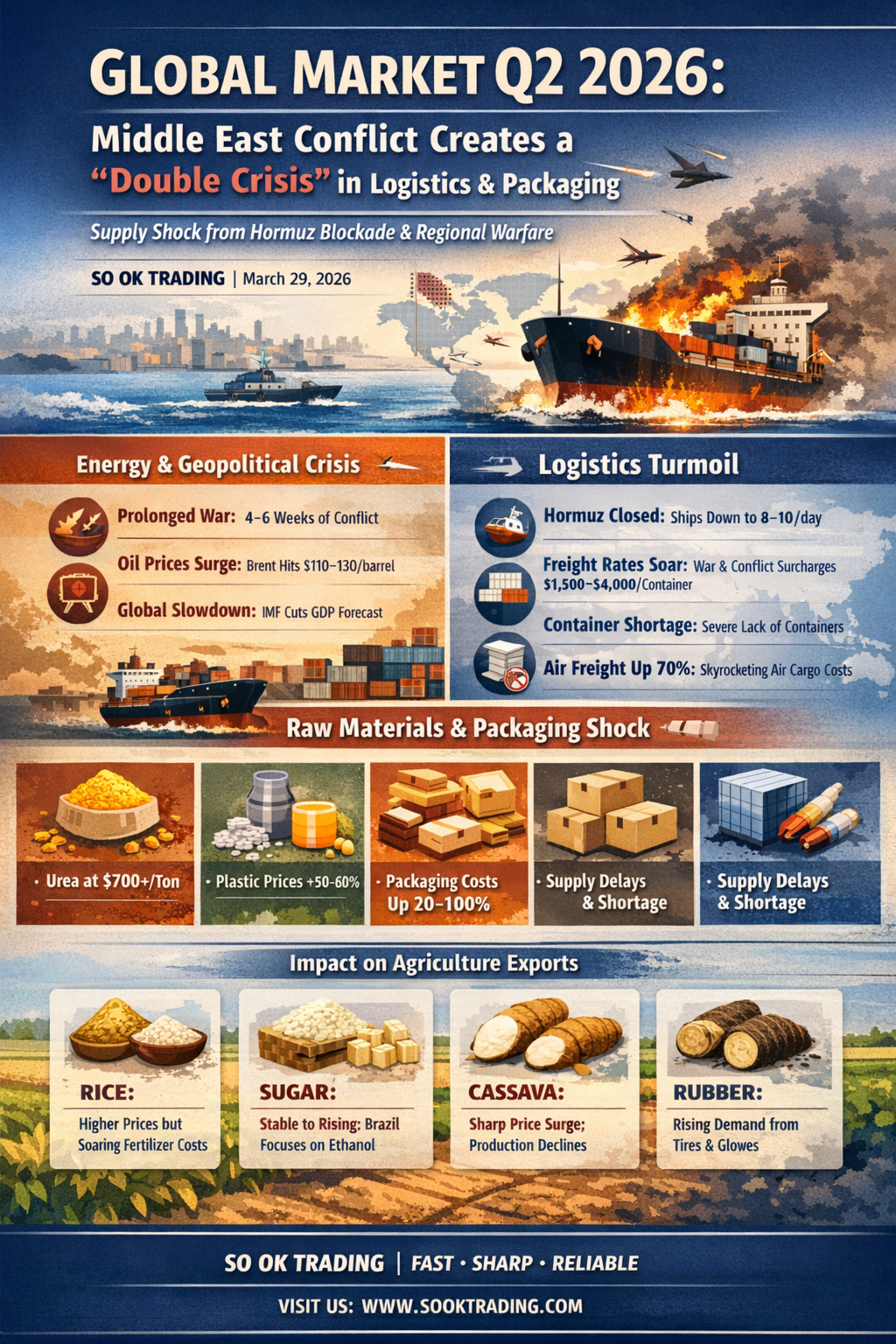
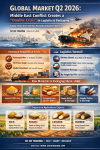
Global Market Q2/2026: Middle East War Creates a “Double Crisis” in Logistics & Packaging

Article by SO OK TRADING · March 29, 2026

 
Political & Energy Situation

Prolonged War: Military operations are expected to last 4–6 weeks, covering almost the entire month of April.
Oil Price Surge: Brent crude has reached $90/barrel and may climb to $110–130 in Q2.
Global Slowdown: IMF and S&P Global have downgraded 2026 GDP forecasts due to energy shocks and renewed inflationary pressures.
 

Logistics & Freight: The Weakest Link

Hormuz Strait Closure: Vessel traffic has dropped from 60 ships/day to just 8–10 ships/day.
Freight Costs Soaring: Shipping lines impose War Risk Surcharge ($1,500/TEU) and Emergency Conflict Surcharge ($2,000–4,000/container).
Cape of Good Hope Detour: Adds 10–15 days to transit time and raises costs by over 20%.
Container Shortage: Delays at ports prevent containers from returning to Asia, causing severe shortages by May.
Air Freight Spike +70%: Essential goods (pharmaceuticals, food) shift to air cargo, driving Asia–Europe rates sharply higher.
 

Raw Materials & Packaging

Urea Fertilizer: Prices soar to $700/ton, with supply down more than 35%.
Sulfur: Expected to exceed $800/ton, impacting Asia’s semiconductor and battery industries.
Plastic Resins (PP/PE): Prices jumped 37–38% in a single month, cutting packaging producers’ net margins by 1–2%.
Plastic Packaging Crisis:
Resin costs up 50–60%
Finished packaging (bags, films, bottles) prices up 20–100%
Container shortage delays packaging shipments
Asia most at risk, relying on Middle East supply for over 40%
 

Impact on Thailand: Industry & Agriculture

Farmers’ Costs Rising: April marks the start of higher fertilizer and diesel expenses.
Export Slowdown: Middle East and European markets face high freight costs and container shortages.
Packaging Costs: Thai food and beverage exporters face rising packaging expenses, shrinking net profits despite higher selling prices.
 

Thai Agricultural Products Q2/2026

Rice: Prices rise due to stockpiling in the Middle East and Africa, but fertilizer costs squeeze margins.
Sugar: Stable to rising, linked to oil prices; Brazil may divert cane to ethanol production.
Cassava: Sharpest price surge, driven by demand for ethanol and animal feed; production falls due to disease.
Rubber: Prices climb with synthetic rubber; demand rises from tire and glove industries.
 

Summary for Thai Exporters

Container Crisis + Packaging Crisis: Low-value goods risk rejection by shipping lines, while packaging costs rise simultaneously.
Market Strategy: Focus on RCEP (ASEAN, China, Japan, Korea) to avoid risks in Europe and the Middle East.
Sales Strategy: Adopt flexible pricing and contract structures to manage volatile freight costs.
 

✨ Conclusion

Q2/2026 will be the most challenging quarter of the year for Thai businesses. Rising raw material prices, transport difficulties, container shortages, and packaging crises combine to push costs higher on multiple fronts. Exporters who adapt quickly and target safer markets will have the best chance of maintaining competitiveness amid this “double crisis.”


SO OK TRADING: Your Business Partner
FAST • SHARP • RELIABLE
WWW.SOOKTRADING.COM


Would you like me to also craft a short English social media caption (LinkedIn/Instagram style) to pair with this article for quick deployment?

Related Content
Currency & Gold Outlook Heats Up: Election Week Meets Lunar New Year — USD Weakens, Gold Nears $5,000, and Must-Know Strategies for Investors — Market Insights by SO OK TRADING
This post summarizes the currency and gold market outlook for February 9–16, 2026 — a week when global markets are closely watching both the results of Thailand’s general election (Feb. 8) and the release of key U.S. economic data. These events are expected to directly impact the U.S. dollar and gold prices. The analysis highlights strategies investors should know, while also introducing SO OK TRADING as a trusted global brand partner.
8 Feb 2026
“Global Aluminium Market Boiling Point – SO OK TRADING Q3/2026 Outlook: Scrap Emerges as Thailand’s Industrial Lifeline”
The year 2026 has become one of the most volatile years for the global metals market, especially aluminium, which has surged continuously to reach its highest level in a decade. Prices have been driven upward by the energy crisis in the Middle East and ongoing geopolitical uncertainties worldwide, while demand from the electric vehicle (EV) and clean energy industries continues to expand strongly. In August 2026, the global aluminium market remains “heated and fragile.” LME prices are holding firm at USD 3,550–3,800 per ton (including MJP Premium), pushing Thai import costs to an average of THB 135,000–140,000 per ton, amid intense competition for raw materials across the region. Amid this volatility, recycled aluminium (Scrap) has emerged as the key survival strategy for industries worldwide. Smelters and manufacturers in Thailand are increasingly turning to premium-grade scrap as a substitute for primary aluminium ingots, reducing costs while meeting sustainability and ESG requirements. SO OK TRADING, as your trusted partner in the non-ferrous metals business, is committed to delivering deep insights and risk management strategies in the global aluminium market, enabling Thai businesses to adapt with “Fast • Sharp • Reliable.”
1 Aug 2026
“SO OK TRADING Global Tin Market Outlook 2026: A Strategic Metal Driving the Digital Future, Green Energy, and AI–EV Industries”
Tin: The Strategic Metal of the Digital and Green Era SO OK TRADING | October 2, 2026 In an age where technology and clean energy drive global progress, Tin (Sn) has emerged as a strategic metal vital to the world’s supply chain. From electronics and semiconductors to electric vehicles (EVs) and green energy, tin is no longer just an ordinary industrial metal—it has become the backbone of future manufacturing and innovation. With its outstanding properties—silver-white appearance, softness, high corrosion resistance, and rust-free durability—tin is widely applied across industries. Its uses range from soldering circuits, tin-plating for food and beverage cans, alloy production, and float glass manufacturing, to advanced chemical compounds and stabilizers. In 2026, the global tin market price has reached USD 53,700–54,300 per metric ton, driven by surging demand in AI and EV sectors. Analysts forecast that prices will remain elevated throughout 2027 amid a structural supply deficit, reinforcing tin’s role as a critical resource in the digital economy. Tin is no longer a conventional industrial metal—it is a precious resource of the digital era, symbolizing the transformation of the global economy toward a sustainable, technology-driven future. SO OK TRADING — FAST • SHARP • RELIABLE Your trusted partner in the non-ferrous metals market
2 Oct 2026
This website uses cookies for best user experience, to find out more you can go to our Privacy Policy and Cookies Policy
Powered By MakeWebEasy Logo MakeWebEasy