Share

“Hormuz Strait Crisis: Energy Storm Shaking the World — Oil Surges, Logistics Disrupted, Global and Thailand Must Respond”
Last updated: 4 Mar 2026
2008 Views

Hormuz Strait Crisis: Global Energy Shock, Challenges for the World and Thailand

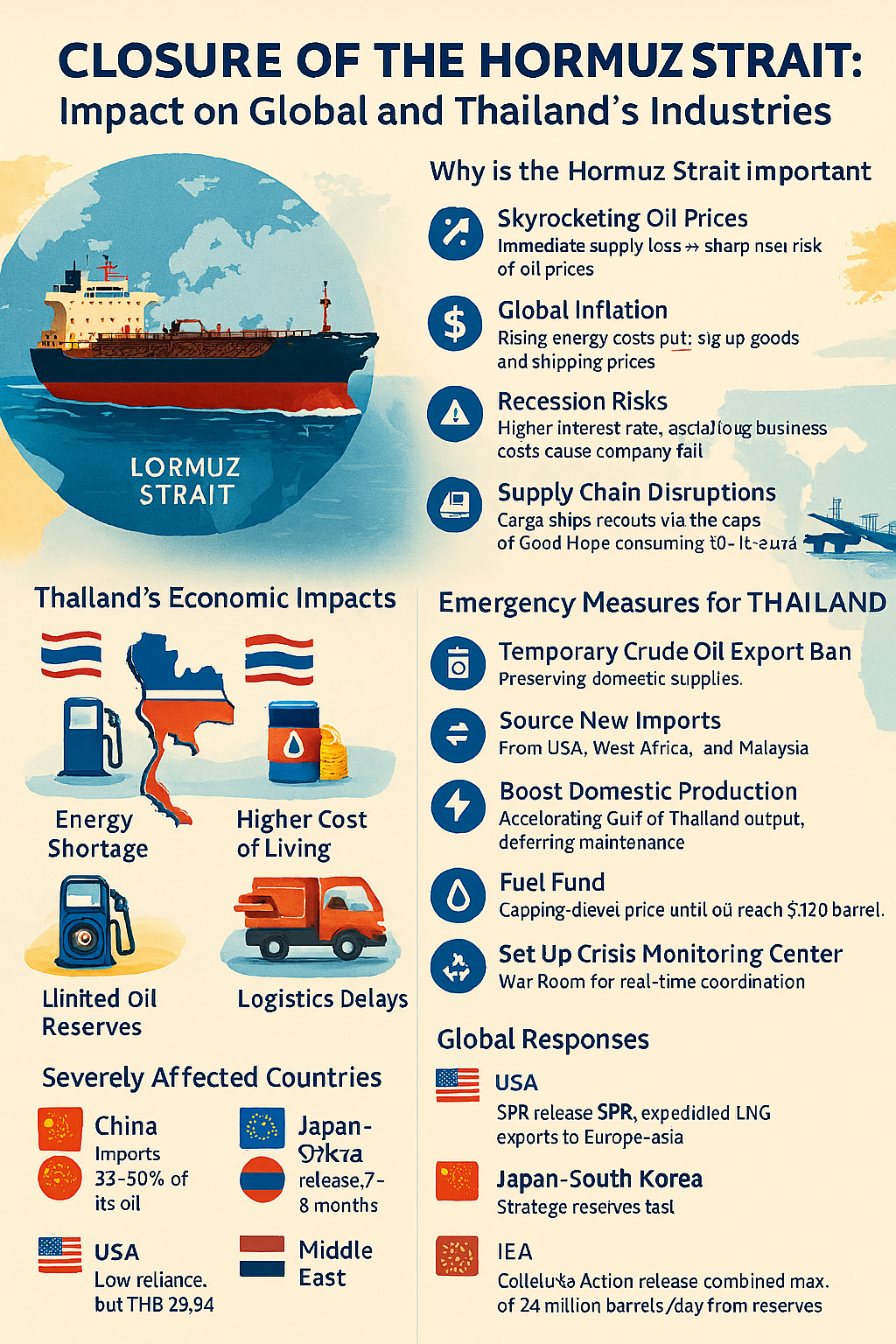
Why the Hormuz Strait Matters
The Hormuz Strait is a strategic route transporting about 20% of the world’s crude oil and 20% of LNG.
If blocked, it means the “artery” of the global economy is instantly cut off.


Impacts on the Global Economy

Oil Prices Surge: Immediate supply loss drives crude oil prices higher.
Global Inflation: Rising energy costs push up goods and transport prices.
Recession Risks: Higher interest rates and business costs threaten survival of many firms.
Supply Chain Disruptions: Ships rerouted around the Cape of Good Hope add 10–15 days to transit.
 

Impacts on Thailand’s Economy

Energy Shortage Risk: Over 50% of Thailand’s crude oil imports pass through Hormuz; long-term closure could cut one-third of demand.
Higher Living Costs: Fuel, electricity, and transport prices hit households immediately.
Limited Oil Reserves: Thailand’s reserves last about 38–60 days; government caps diesel at THB 29.94.
Logistics Delays: Exports and imports with the Middle East and Europe face disruption.
 

Countries Most Severely Affected

China: 33–50% of oil imports via Hormuz, GDP at risk.
Japan: Over 90% reliance on Middle Eastern oil, reserves cover 8 months.
EU: Gas prices may triple, impacting aviation and households.
USA: Low reliance, but domestic prices follow global market.
Middle East: Main revenue halted, pipelines only partially absorb rerouting.
 

Impacts on Goods and Stock Markets

Consumer Goods: Fertilizer, fresh food, plastics, and packaging prices rise.
Logistics: Longer routes increase freight and marine insurance costs.
Stock Markets:
Negative: Airlines, transport, construction materials, consumer goods.
Positive: Upstream energy, shipping, healthcare, export stocks.
 

Thailand’s Emergency Measures

Temporary crude oil export ban to secure domestic supply.
Source new imports from USA, West Africa, and Malaysia.
Boost domestic production by deferring Gulf of Thailand maintenance.
Use the Fuel Fund to cap diesel prices until oil exceeds $120/barrel.
Establish Energy Crisis Monitoring Center (War Room) for real-time coordination.
Accelerate renewable energy and supplement with coal/hydro power.
 

Global Responses

USA: Release Strategic Petroleum Reserve (SPR), expedite LNG exports to Europe and Asia.
Japan–South Korea: Release 7–8 months of reserves, negotiate imports from USA and Australia.
China: Increase shale oil/gas output, expand pipeline imports from Russia.
EU: Convene Gas Coordination Group, compete for LNG in spot market.
IEA: Collective Action to release up to 24 million barrels/day from reserves.
 

Summary: Impacts on Thai Industries
The closure of the Hormuz Strait is a “mega storm” shaking global energy and directly hitting Thailand’s economy — from oil prices and living costs to stock markets.

Government: Must accelerate self-reliance and diversify import sources.
Businesses: Need to adjust cost structures and supply chain strategies.
People: Must prepare for rising living expenses.
 

SO OK TRADING: Your Trusted Business Partner
FAST. SHARP. RELIABLE.
www.sooktrading.com


Related Content
ALUMINUM PRICE TREND 2026
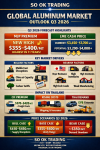
An analysis of the aluminum market in 2026 indicates a likely continued market deficit and upward price pressure, driven by constrained supply and resilient demand from green energy sectors. However, significant volatility is expected due to policy uncertainties and the potential for new Indonesian supply to eventually balance the market. Key Drivers and Projections for 2026 Supply Side Analysis Capacity Constraints: China's primary aluminum output is approaching its self-imposed 45 million-tonne capacity cap, limiting global supply growth. Power Challenges: Smelters outside of China face intense competition for power from energy-intensive sectors like AI data centers, which are willing to pay higher prices for long-term contracts. This has kept significant capacity offline in Europe and the US. Production Disruptions: Outages and potential shutdowns at existing smelters in Iceland and Mozambique further tighten the market. Scrap Supply Pressure: The EU's planned implementation of the Carbon Border Adjustment Mechanism (CBAM) and potential scrap export tariffs in spring 2026 are expected to impact global scrap flows, creating regional shortages and price volatility. New Capacity: Indonesia is a key source of new supply, with several projects in the pipeline. However, analysts suggest the pace of the ramp-up may be slower than expected due to infrastructure and policy challenges, meaning it is unlikely to fully offset near-term tightness. Demand Side Analysis Green Transition Demand: Demand from "green" sectors such as solar panels, new energy vehicles, and energy transition infrastructure remains strong, providing fundamental support for the market. Substitution Effect: Aluminum's wide price discount relative to copper has encouraged substitution in electrical applications, acting as a tailwind for demand and prices. Construction and Automotive: The construction and automotive industries continue to be major consumers, with growing demand for lightweight, low-carbon aluminum products. Price Forecasts and Volatility The market is expected to remain in a deficit in 2026, with estimates ranging from 200,000 to 600,000 tonnes. This structural tightness is leading most analysts to forecast sustained or rising prices. Bullish Views: Analysts at Bank of America project prices of $3,000/tonne as early as 2026. J.P. Morgan also expects prices to approach $3,000/tonne in Q1 2026. ING forecasts an average price of $2,900/tonne for the year. Bearish/Conservative Views: Goldman Sachs is an outlier, forecasting prices to decline to $2,350/tonne by Q4 2026, anticipating a market surplus later in the year. SMM forecasts a "high first, then lower" pattern, with prices finding equilibrium in the $2,700–$2,800/tonne range by year-end. Premiums: Regional premiums, particularly the US Midwest premium, are expected to remain high and volatile due to tariffs and regional supply dynamics, creating a disconnect from the LME benchmark price. In essence, 2026 is projected to be a year of high volatility where participants need to focus on scenario readiness rather than relying on a single price forecast, as geopolitical and energy policies significantly influence regional supply and costs
31 Dec 2025
“Bio Mass Revolution: Wood Pellets Driving Clean Energy and Transforming Asia’s Industrial Future”
Bio Mass Wood Pellet: Clean Energy of the Future SO OK TRADING : 8 JUNE 2026 The world is accelerating toward Carbon Neutrality and reducing greenhouse gas emissions. In this transition, Wood Pellets (compressed biomass fuel) have evolved from being an “alternative fuel” to becoming a vital primary energy source across industries, power plants, and households. From industrial steam boilers and co-firing in power plants to residential heating in Europe and North America, Wood Pellets are emerging as the backbone of the new clean energy era. In Thailand, the market is still in its early stage but holds enormous potential. With abundant agricultural resources and production capacity, Thailand is well-positioned to become a key exporter — especially to Japan, where demand for high-quality Wood Pellets is rapidly increasing, supported by long-term contracts and strict sustainability standards. While South Korea’s market is slowing down, Japan has become the “new pillar” of Asia’s Wood Pellet industry, offering significant opportunities for Thai producers to expand and upgrade to international standards. The future of clean energy has already begun — and Wood Pellets are one of the essential keys driving the world toward sustainability
8 Jun 2026
This website uses cookies for best user experience, to find out more you can go to our Privacy Policy and Cookies Policy
Powered By MakeWebEasy Logo MakeWebEasy