Share

“Steel Prices Keep Rising! Deep Dive into Global Market Pressures in 2026 — From Wars to Construction, Recovery with Surging Costs” Article by SO OK TRADING · March 26, 2026
Last updated: 26 Mar 2026
263 Views

Here’s the full English version of your article, polished for clarity and impact while keeping the strong analytical tone:


“Steel Prices Break the Ceiling in 2026: How Wars, Tariffs, and Demand Push Global Costs to a New Baseline”
Rebar, hot-rolled coils, and structural steel prices surge: Track steel prices and future trends with SO OK TRADING
Article dated: March 26, 2026


Global Steel Market Overview 2026

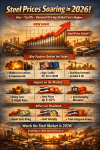
In 2026, the global steel industry is in a phase of “gradual recovery,” yet prices have risen significantly due to overlapping pressures — wars, trade tariffs, and demand recovery in key regions.

Global demand: Expected to grow 1.3%, reaching ~1,773 million tons
China: Domestic demand remains flat, but massive exports of cheap steel continue to pressure global markets
India: Demand surges +9% driven by large-scale infrastructure projects
Europe/US: Recovery supported by tariff measures and the push for “green steel”
 

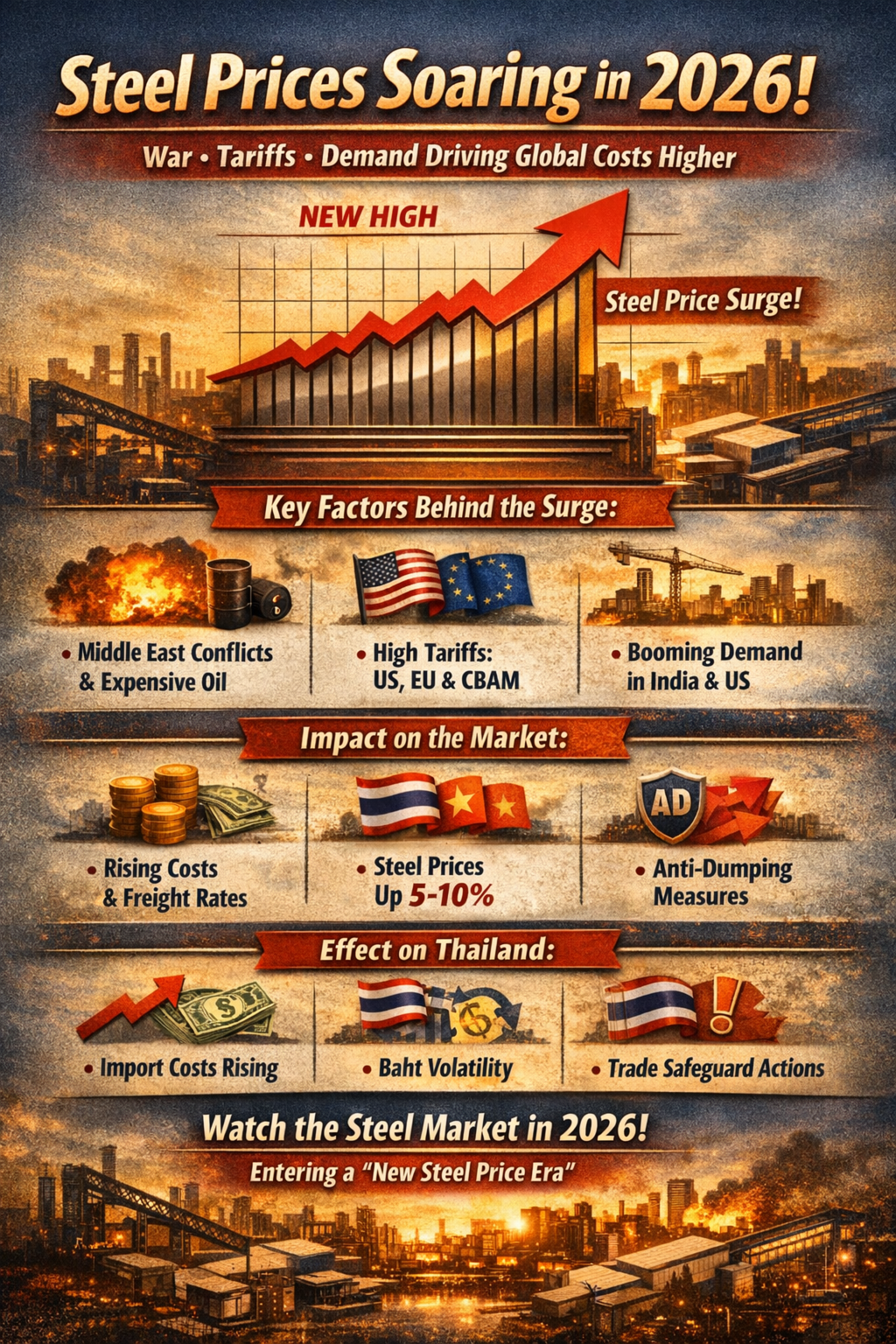
Why Steel Prices Spiked (March 2026 saw >10% surge)

The sharp rise in Q1/2026 was no coincidence — it was the result of multiple overlapping forces:

Wars & Geopolitics
Middle East conflicts → soaring oil and transport costs
Risk of closure at key shipping routes (e.g., Strait of Hormuz) → temporary shortages
Russia–Ukraine halting exports of semi-finished steel and iron ore → global resource scramble
Trade Measures & Tariffs
US & EU imposed tariffs up to 50% on Chinese steel → immediate domestic price hikes
EU’s CBAM (Carbon Border Adjustment Mechanism) → drove “green steel” prices higher, pulling general steel prices up
Demand Recovery & Stockpiling
India & US construction booms → hot-rolled coil (HRC) demand surged
Contractors and dealers rushed to stockpile → short-term buying frenzy
 

Impact on Thailand

Domestic steel prices rose 5–10% within weeks
Structural steel and steel sheets were hit hardest due to rising transport and raw material costs
Government is considering anti-dumping (AD) tariffs to stabilize prices and protect local producers
 

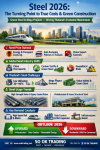
Steel Industry Outlook 2026

Q2/2026: Prices expected to remain stable or rise slightly; US HRC forecast at $931–$1,100/ton
Full year: Global demand projected to grow 1.3% (~1,773 million tons)
Prices will continue to align with the “new high-cost baseline” rather than returning to pre-crisis lows
 

Conclusion

2026 marks the beginning of a “New Era of Expensive Steel.” Wars, tariffs, and demand recovery are combining to push prices higher both globally and in Thailand. While prices may not skyrocket as they did during the COVID era, returning to old low-cost levels is unlikely.


SO OK TRADING: Your Trusted Business Partner
FAST · SHARP · RELIABLE
Visit us at: www.sooktrading.com

For inquiries on rebar, construction steel, or other steel products, contact us via the “Give Inquiry” section at www.sooktrading.com or email us directly at sooktrading@outlook.com.


Related Content
Steel Industry Outlook 2026: Gradual Recovery with Rising Price Potential BY SOOK TRADING
Steel Industry Outlook 2026: Gradual Recovery with Rising Price Potential The year 2026 marks a turning point for the global steel industry. After hitting its lowest point in 2025, the market is entering a “new equilibrium,” with demand gradually recovering and prices showing signs of stable upward movement. Global steel demand is forecast to grow 1.3%, reaching 1,773 million tons. India will be the main driver, with growth of 9% fueled by infrastructure investments in roads, railways, and energy. The United States and Europe are also expected to recover steadily, supported by interest rate cuts, clean energy projects, and the automotive sector—1.8% growth in the US and 3.2% in the EU. China, while still facing a slowdown in real estate, will see demand decline ease to -1%, supported by infrastructure projects and steel exports. Meanwhile, Southeast Asia and the Middle East are expected to contribute to diversified demand growth through infrastructure and energy investments. On the pricing side, steel bars (Rebar) are expected to average 16,000–17,000 THB/ton (450–530 USD/MT). Iron ore costs are projected at 83–95 USD/ton, with new supply from Guinea and Australia helping to stabilize input costs. Although trade barriers in the US and EU may keep domestic prices above global levels, the market is moving toward a more stable balance. In Thailand, steel demand is expected to grow modestly, driven by construction and automotive industries, with a base of 16.2 million tons in 2025. However, cheap Chinese steel could account for up to 50% of the market, putting pressure on local producers. Thai businesses must adapt by developing value-added specialty products, enhancing quality standards, and targeting premium and niche export markets such as ASEAN, the Middle East, and Africa. SO OK Trading: Partnering Thai Steel with Global Markets SO OK Trading supports Thai steel producers with comprehensive solutions: - Market Connectivity: Linking Thai producers with buyers in China and East Asia through an extensive partner network and integrated rail–sea–road logistics. - Market Analysis & Pricing Strategy: Providing insights into steel and iron ore price trends, with index-linked pricing recommendations to reduce volatility. - Stable Contracts & Compliance: Assisting in contract structuring, export documentation, standards, and certifications to ensure reliable trade. - Customer Development: Delivering tailored technical and commercial proposals to meet the needs of Chinese buyers seeking specialty steel. SO OK Trading is more than an exporter—it is a trusted business partner, helping Thai steel enterprises compete with stability and sustainability in the global steel market.
15 Jan 2026
Thai Fruits: Deliciousness from Thailand, Nature’s Harvest, Reaching the World Discover Thai fruits and explore export & trade opportunities with SO OK TRADING
Thai Fruits: Thai Products Entering the Global Market Overview of Thai Fruits Thailand is renowned as the “Kingdom of Fruits,” thanks to its favorable climate and fertile soil, producing a wide variety of fruits. Durian, mangosteen, mango, coconut, and pineapple are highly celebrated both domestically and internationally. Export Market Overview - Japanese Market - Bananas, mangoes, mangosteen, and pineapples are especially popular. - The JTEPA agreement provides tariff benefits, while GI certification enhances trust in quality. - Meets Japanese consumers’ demand for health and premium quality. - Chinese Market - Durian, mangosteen, longan, and Nam Dok Mai mango are the main export products. - China is Thailand’s largest importer of fruits. - The China–Laos Railway improves logistics, ensuring freshness. - Western Markets (Europe, USA, Australia) - Young coconuts, mangosteen, mangoes, pineapples, and dragon fruit attract strong attention. - Consumers emphasize health, organic products, and sustainability. - Growing demand for processed goods such as freeze-dried fruits and juices. Export Opportunities and Development Directions - Quality Differentiation: Build premium fruit brands to enhance competitiveness. - Smart Agriculture: Use AI and drones to reduce costs and improve efficiency. - Product Innovation: Develop dried fruits, bottled juices, and superfood series. - Sustainability: Address environmental regulations (EUDR) and carbon footprint requirements. - Logistics Upgrades: Cold chain and railway transport to ensure freshness. ✨ Summary With strengths in quality, innovation, and sustainability, Thai fruits are poised to further expand their global market influence in 2026 and beyond. Japan, China, and Western markets each present unique advantages and opportunities, giving Thai fruit exports strong strategic potential for growth.
23 Jan 2026
“War Shakes the Global Packaging Industry: Supply Chain Disruption, Plastic Shortage & Aluminum Squeeze – From Crisis to New Business Opportunities” Article by SO OK TRADING | March 26, 2026
“War Reshapes the Packaging Industry – Plastic Stumbles, Aluminum Faces Shortages” The Middle East conflict has severely disrupted global supply chains, striking hardest at petrochemicals and packaging. Plastic packaging is in critical shortage, while aluminum has been pulled in as the substitute material—only to face its own supply squeeze. Both stockpiling and new production are under pressure, especially in food and beverage packaging. This article by SO OK TRADING dives deep into the cascading impacts of war on the packaging industry, and highlights strategies and opportunities to pivot toward recycled packaging and innovative solutions in 2026.
26 Mar 2026
This website uses cookies for best user experience, to find out more you can go to our Privacy Policy and Cookies Policy
Compare product
0/4
Remove all
Compare
Powered By MakeWebEasy Logo MakeWebEasy