Share

“Aluminum: The Industrial Metal of the EV and Clean Energy Era — From Door Frames to Car Batteries, Unlocking Thailand’s Green Aluminum Opportunities in a Low-Carbon Economy” Article by SO OK TRADING · March 19, 2026
Last updated: 19 Mar 2026
278 Views

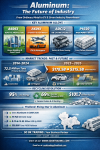
“Aluminum: The Industrial Metal of the Future”

From Ordinary Material to the Heart of EVs and the Green Industry

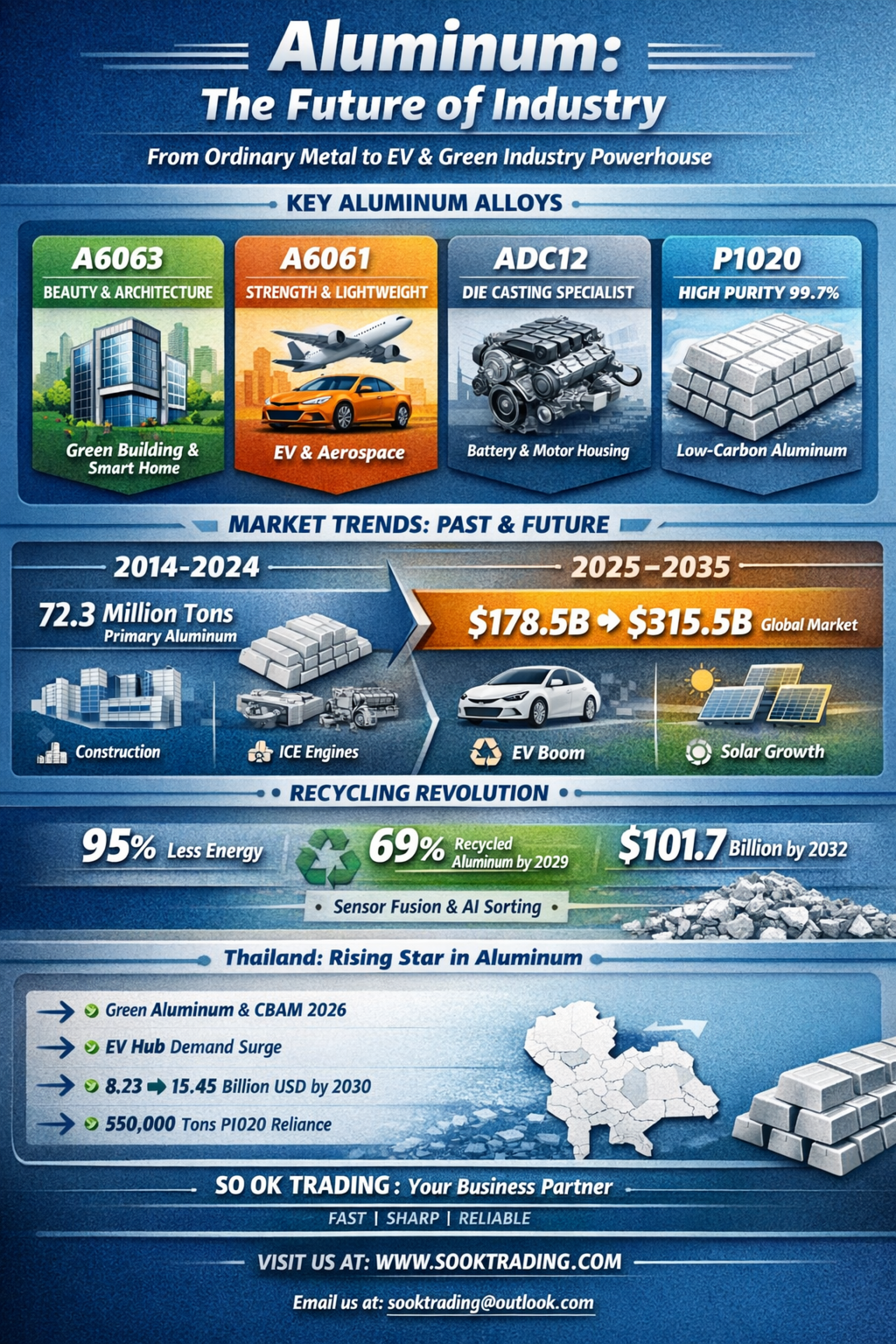
Aluminum is no longer just a common industrial metal — it is becoming the lifeblood of the modern global economy, both in Thailand and worldwide. Four key grades are driving this transformation: A6063, A6061, ADC12, and P1020.

Discover the 4 Key Aluminum Grades

A6063 – Smooth & Elegant
A star in architecture, used for door and window frames and façades.
Global trends are pushing toward Green Buildings and Smart Homes.

A6061 – Strong, Light & Durable
Widely used in Thailand for EV structures and machinery.
Internationally popular in Aerospace and Solar Cell applications.

ADC12 – Complex Die Casting
Transitioning from ICE engine parts to EV battery housings and motor housings.
The new trend: Gigacasting — casting large auto parts in a single piece.

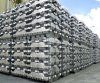
P1020 – 99.7% Pure Ingot
Imported into Thailand for specialized alloy production.
Globally shifting toward Low-Carbon Aluminum produced with clean energy.


Market Outlook: Past 10 Years & Next 10 Years

2014–2024:

A6063 dominated construction.
ADC12 grew with internal combustion engines.
P1020 remained stable as a raw material.
Global primary aluminum production reached 72.3 million tons.
2025–2035:

Global aluminum market projected to grow from $178.5B → $315.5B (CAGR ~5.9%).
Demand for A6061 & ADC12 surges from EVs and Aerospace.
A6063 expands into Green Building and Solar Infrastructure.
P1020 shifts focus from “quantity” to “origin” — Low-Carbon Aluminum becomes the standard.
 

♻️ Recycling: From Option to Obligation

Recycling uses 95% less energy than primary production.
By 2029, recycled aluminum will account for 69% of global use.
Recycling market expected to reach $101.7B by 2032.
Thailand invests in Sensor Fusion + AI to sort high-quality aluminum scrap.
 

Thailand: From General Producer → High-Value Base

Green Aluminum & Net Zero: CBAM fully enforced in 2026 — exporters must report carbon emissions.
EV Hub: Demand for A6061 and ADC12 rising sharply.
Thai Market Growth: From $8.23B → $15.45B by 2030 (CAGR ~10.46%).
Challenges: Chinese dumping and reliance on importing over 550,000 tons/year of P1020.
 

Thailand’s Aluminum Industry Entering a New Golden Era

The measure is no longer “volume” but sustainability and environmental value.

Major opportunities: EVs, Solar Cells, Smart Electronics
New technologies: Closed-loop Recycling, Gigacasting
New regulations: ESG and Carbon Tax
Aluminum is the industrial metal of the future — shaping the global economy, with Thailand playing a vital role on the world stage.


SO OK TRADING: Your Trusted Business Partner
FAST | SHARP | RELIABLE

Visit us at: www.sooktrading.com
Email: sooktrading@outlook.com


This English version is ready for LinkedIn, Facebook, WeChat, or website publication.
Would you like me to also refine a short headline-style version (8–10 words) in English for social media feeds, so it grabs attention instantly?


Related Content
Steel Industry Outlook 2026: Gradual Recovery with Rising Price Potential BY SOOK TRADING
Steel Industry Outlook 2026: Gradual Recovery with Rising Price Potential The year 2026 marks a turning point for the global steel industry. After hitting its lowest point in 2025, the market is entering a “new equilibrium,” with demand gradually recovering and prices showing signs of stable upward movement. Global steel demand is forecast to grow 1.3%, reaching 1,773 million tons. India will be the main driver, with growth of 9% fueled by infrastructure investments in roads, railways, and energy. The United States and Europe are also expected to recover steadily, supported by interest rate cuts, clean energy projects, and the automotive sector—1.8% growth in the US and 3.2% in the EU. China, while still facing a slowdown in real estate, will see demand decline ease to -1%, supported by infrastructure projects and steel exports. Meanwhile, Southeast Asia and the Middle East are expected to contribute to diversified demand growth through infrastructure and energy investments. On the pricing side, steel bars (Rebar) are expected to average 16,000–17,000 THB/ton (450–530 USD/MT). Iron ore costs are projected at 83–95 USD/ton, with new supply from Guinea and Australia helping to stabilize input costs. Although trade barriers in the US and EU may keep domestic prices above global levels, the market is moving toward a more stable balance. In Thailand, steel demand is expected to grow modestly, driven by construction and automotive industries, with a base of 16.2 million tons in 2025. However, cheap Chinese steel could account for up to 50% of the market, putting pressure on local producers. Thai businesses must adapt by developing value-added specialty products, enhancing quality standards, and targeting premium and niche export markets such as ASEAN, the Middle East, and Africa. SO OK Trading: Partnering Thai Steel with Global Markets SO OK Trading supports Thai steel producers with comprehensive solutions: - Market Connectivity: Linking Thai producers with buyers in China and East Asia through an extensive partner network and integrated rail–sea–road logistics. - Market Analysis & Pricing Strategy: Providing insights into steel and iron ore price trends, with index-linked pricing recommendations to reduce volatility. - Stable Contracts & Compliance: Assisting in contract structuring, export documentation, standards, and certifications to ensure reliable trade. - Customer Development: Delivering tailored technical and commercial proposals to meet the needs of Chinese buyers seeking specialty steel. SO OK Trading is more than an exporter—it is a trusted business partner, helping Thai steel enterprises compete with stability and sustainability in the global steel market.
15 Jan 2026
“Tin: From Ordinary Metal to Strategic Resource — The Glue Connecting AI and Clean Energy of the Future”
✨ Tin: The Ordinary Metal Transformed into the “Metal of the Future” ✨ Once, tin was used only to coat food cans. Today, it has evolved into a strategic resource driving the digital economy and clean energy — from AI, semiconductors, EVs to next-generation batteries. Prices are soaring, demand is breaking records Tin is the “glue” connecting AI and data centers Tin is at the heart of battery innovation Tin is no longer just a basic metal. It is now a critical resource the world competes to secure — and it will shape the future of the global economy over the next two decades.
27 Feb 2026
This website uses cookies for best user experience, to find out more you can go to our Privacy Policy and Cookies Policy
Compare product
0/4
Remove all
Compare
Powered By MakeWebEasy Logo MakeWebEasy