「Gold Crash が Gold Chance に — 戦略的転換点 4,000ドルから始まる 2026年 世界金市場リセット」 SO OK TRADING による分析記事|2026年6月11日
最終更新: 11 6月 2026
3244 閲覧数
「金価格急落、世界市場を揺るがす——しかし新たな積立の黄金チャンス!」
SO OK TRADING サマリー : 2026年6月11日
世界金価格(Gold Spot)
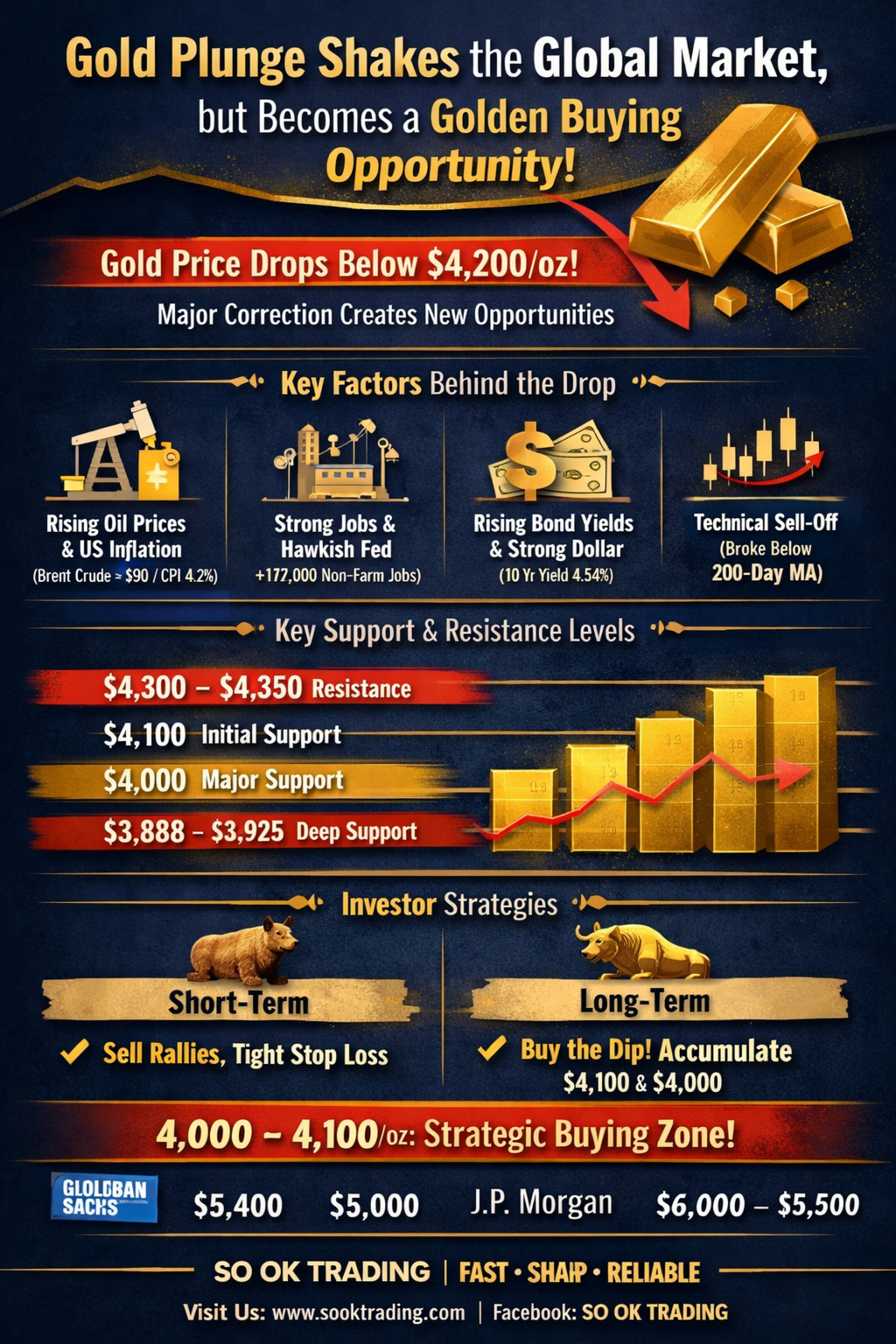
2026年6月、金価格は重要なサポートラインである 4,200ドル/オンス を割り込み、大幅下落。世界の投資家に強い圧力を与えました。しかし深く見ると、これは大相場の終焉ではなく、むしろ 大きな調整局面 であり、長期投資家にとって新たなチャンスを開くものです。
金を押し下げる要因
エネルギー高騰:原油Brentが90ドル/バレルを突破、米CPIは4.2%と過去3年で最高水準
FRBのタカ派姿勢:雇用統計(Non-farm Payrolls)が17万2千件増加、景気過熱感から利上げ観測強まる
債券利回り上昇:米10年債利回りが4.54%近辺、ドル高進行で金から資金流出
テクニカル要因:200日移動平均線を割り込み、大口ファンドの損切り売りを誘発
重要なサポート・レジスタンス
4,300–4,350ドル → レジスタンス、突破すれば上昇トレンド回帰
4,100ドル → 第一のサポート、維持できれば反発余地
4,000ドル → 強力な心理的サポート、長期積立に適した水準
3,888–3,925ドル → 最悪シナリオでの深いサポート
投資戦略(ゴールドトレード)
短期トレーダー:依然として下落優勢。反発局面は売り場。買いを狙う場合は厳格なストップロス必須。
長期投資家:これは「Buy the Dip」の好機。悪材料はすでに織り込み済み。4,100ドルや4,000ドルでの分散買いは、1–2年後に有利なコストを形成。
世界金融機関の見解
Goldman Sachs:年末目標 5,400ドル
Citi Research:サポート 4,000ドル、目標 5,000ドル
J.P. Morgan:年末に6,000ドル回復を予想
UBS / Morgan Stanley:目標 5,200–5,500ドル
総意:各機関とも 4,000–4,100ドルゾーン を「戦略的積立の基盤」と認識
タイ国内金価格(96.5%)
63,500–63,900バーツ → 第1段階、20–30%積立開始
62,400–62,800バーツ → 第2段階、40–50%積立強化
60,600–61,200バーツ → 最終段階、最悪シナリオ時の買い場
為替は1ドル=32.90バーツ付近とバーツ安が進行しており、世界市場ほど国内価格は下落していない。
総括
金は現在 大きな調整局面 にあるが、上昇相場の終焉ではない。
短期:下落優勢
長期:各国中央銀行の買い越し、地政学リスクの継続、過去のパターンから「急落後に新高値更新」が期待される
✨ 投資家にとって、これは「恐れて売る局面」ではなく「分散積立の黄金チャンス」。
SO OK TRADING FAST • SHARP • RELIABLE www.sooktrading.com Facebook: SO OK TRADING
SO OK TRADING サマリー : 2026年6月11日
世界金価格(Gold Spot)
2026年6月、金価格は重要なサポートラインである 4,200ドル/オンス を割り込み、大幅下落。世界の投資家に強い圧力を与えました。しかし深く見ると、これは大相場の終焉ではなく、むしろ 大きな調整局面 であり、長期投資家にとって新たなチャンスを開くものです。
金を押し下げる要因
エネルギー高騰:原油Brentが90ドル/バレルを突破、米CPIは4.2%と過去3年で最高水準
FRBのタカ派姿勢:雇用統計(Non-farm Payrolls)が17万2千件増加、景気過熱感から利上げ観測強まる
債券利回り上昇:米10年債利回りが4.54%近辺、ドル高進行で金から資金流出
テクニカル要因:200日移動平均線を割り込み、大口ファンドの損切り売りを誘発
重要なサポート・レジスタンス
4,300–4,350ドル → レジスタンス、突破すれば上昇トレンド回帰
4,100ドル → 第一のサポート、維持できれば反発余地
4,000ドル → 強力な心理的サポート、長期積立に適した水準
3,888–3,925ドル → 最悪シナリオでの深いサポート
投資戦略(ゴールドトレード)
短期トレーダー:依然として下落優勢。反発局面は売り場。買いを狙う場合は厳格なストップロス必須。
長期投資家:これは「Buy the Dip」の好機。悪材料はすでに織り込み済み。4,100ドルや4,000ドルでの分散買いは、1–2年後に有利なコストを形成。
世界金融機関の見解
Goldman Sachs:年末目標 5,400ドル
Citi Research:サポート 4,000ドル、目標 5,000ドル
J.P. Morgan:年末に6,000ドル回復を予想
UBS / Morgan Stanley:目標 5,200–5,500ドル
総意:各機関とも 4,000–4,100ドルゾーン を「戦略的積立の基盤」と認識
タイ国内金価格(96.5%)
63,500–63,900バーツ → 第1段階、20–30%積立開始
62,400–62,800バーツ → 第2段階、40–50%積立強化
60,600–61,200バーツ → 最終段階、最悪シナリオ時の買い場
為替は1ドル=32.90バーツ付近とバーツ安が進行しており、世界市場ほど国内価格は下落していない。
総括
金は現在 大きな調整局面 にあるが、上昇相場の終焉ではない。
短期:下落優勢
長期:各国中央銀行の買い越し、地政学リスクの継続、過去のパターンから「急落後に新高値更新」が期待される
✨ 投資家にとって、これは「恐れて売る局面」ではなく「分散積立の黄金チャンス」。
SO OK TRADING FAST • SHARP • RELIABLE www.sooktrading.com Facebook: SO OK TRADING

関連コンテンツ
日本語版イントロダクション
2026年は、世界経済とタイ経済にとって大きな転換期となる一年です。
世界は AI とクリーンエネルギー によって牽引され、さらに 金・銀・銅・アルミニウム といった戦略的コモディティが台頭しています。
世界経済は引き続き成長を続けていますが、貿易戦争や地政学的リスクが依然として重圧となっています。タイは現在 移行期 (Transition) にあり、外国直接投資(FDI)の誘致や研究開発(R&D)への投資拡大が急務となっています。
本記事では、SO OK TRADING が 2026 年の世界経済とタイ経済の展望を深掘りし、注目すべき新しい成長機会を紹介します。
それは デジタル技術、総合医療、クリーンエネルギー、そして急成長するライフスタイル市場 にまで広がっています。2026年は、世界経済とタイ経済にとって重要な転換期となります。
人工知能(AI) と クリーンエネルギー によって牽引され、世界は 金・銀・銅・アルミニウム といった戦略的コモディティの台頭を目の当たりにしています。
世界経済は成長を続けていますが、タイは依然として 移行期(Transition) にあり、外国直接投資(FDI)の誘致と研究開発(R&D)の強化が求められています。これにより、医療ハブ、グリーン製造、ライフスタイル市場 といった新たな機会を捉えることが可能となります。
17 2月 2026
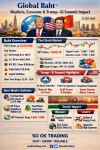
2026年9月末、世界の金融市場とタイのバーツは多方面からの圧力に直面しています。米国の金融引き締め政策、原油価格が1バレル100ドルを超える高騰、新興市場からの資金流出が続き、タイのバーツは対ドルで33.50まで下落しました。
同時に、世界二大強国の首脳が会談した Trump–Xi サミット は、地政学と世界経済における重要な転換点となりました。貿易戦争の「休戦」や、人工知能(AI)分野での激しい競争が示され、これらすべてが世界経済とタイの通貨・資本市場の動向に深く結びついています。
本稿では SO OK TRADING が、バーツの動向、タイ株式市場、そして Trump–Xi サミットの影響を詳しく分析し、さらに来週の経済見通しと重要な経済カレンダーを提示します。読者が急速に変化する世界の中で、ビジネスと投資戦略を自信を持って立てられるよう支援することを目的としています。
25 9月 2026