「春節後も金相場は強気相場から外れず:SO OK TRADINGによる徹底分析」 「5,500ドルは終わりではない:金は次の上昇に向けて調整中」
最終更新: 18 2月 2026
3777 閲覧数
「春節後の金相場 2026:調整して次の上昇へ」
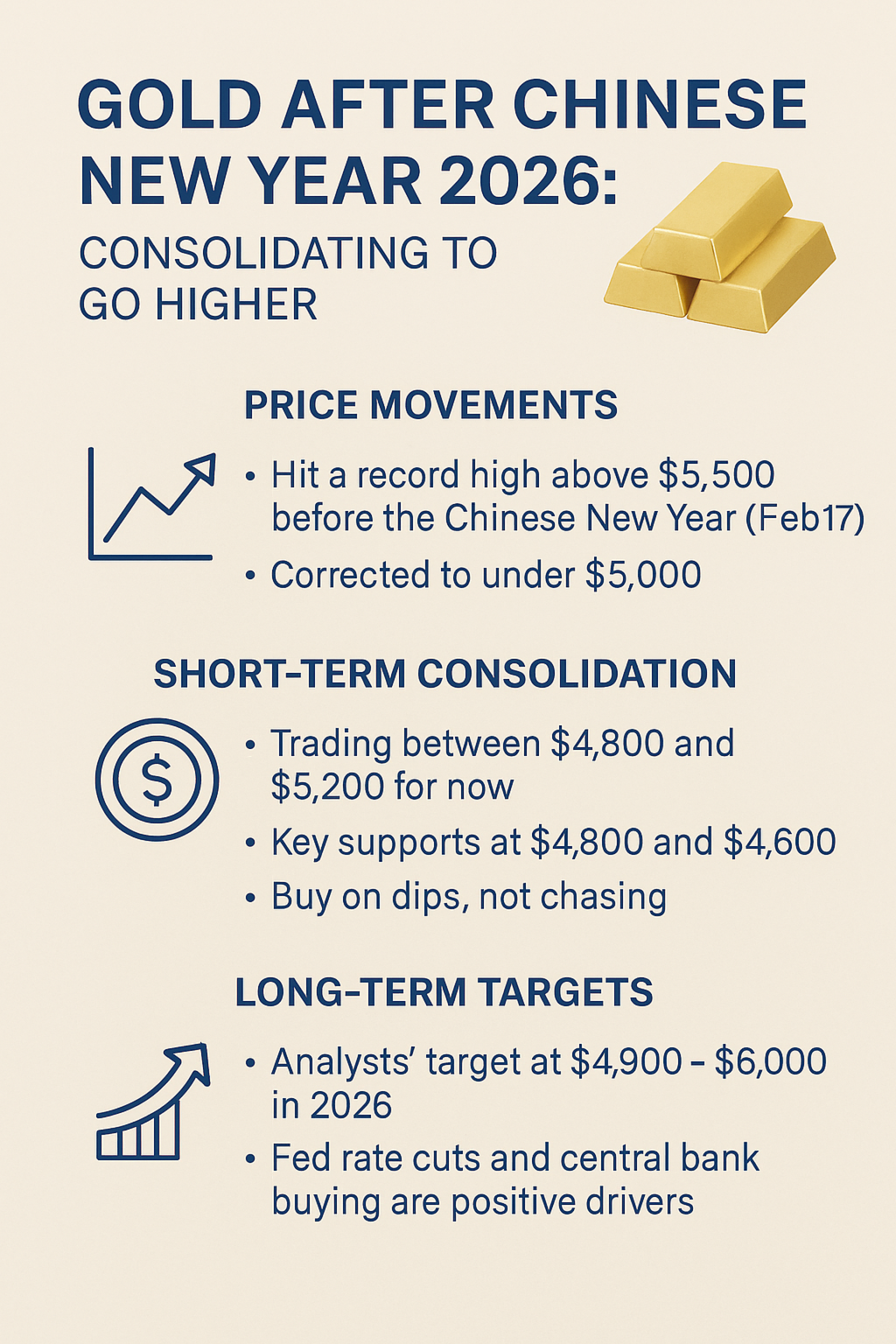
BY SO OK TRADING今年の春節(2026年2月17日)を過ぎて、世界の金価格は一時的な調整局面(コレクション)に入りました。年初には5,500ドルを超える史上最高値を記録しましたが、過去20年の統計どおり、中国からの需要が落ち着いた後に価格は押し目を形成しています。とはいえ、全体のトレンドは依然として「強気相場」であり、今年中に再び新高値を更新する可能性があります。
年初からの金価格の動き
1月初め、金価格は約4,325ドルでスタートし、安全資産需要から上昇を続けました。
翌週には4,510ドル、さらに4,597ドルへと伸び、世界経済への不安が追い風となりました。
1月中旬には4,984ドルに到達し、月末には5,395〜5,597ドルと史上最高値を更新。
2月初めからは利益確定売りが入り、5,150ドル、5,015ドルへと調整。
春節後の現在は4,923ドル付近で推移しています。
短期的な調整局面
世界の金価格(Gold Spot)は4,900〜5,000ドルで推移。
国内金価格は71,300〜77,240バーツのレンジで、ドル高が圧力となっています。
注目すべきサポートラインは4,800ドルと4,600ドル(タイ金価格換算で約72,000〜68,000バーツ)。長期投資家にとっては買い増しの好機とされています。
長期的な目標
各分析機関は2026年内に4,900〜6,000ドルを目標としています。
主な追い風はFRBの利下げ期待と、各国中央銀行による金の積極的な買い増しです。
注目すべき要因
FRBの金融政策:利下げの兆しが見えれば金価格は即座に反発。
為替(バーツ):バーツ安は国内金価格を下支え。
地政学リスク:中東情勢や米中関係の緊張は安全資産としての金需要を押し上げる。
中央銀行の買い増し:ドル依存を減らすための金購入が価格の下支え要因。
投資戦略
短期トレード:4,800〜5,200ドル(タイ金73,000〜75,000バーツ)のレンジで売買。ただし5,100ドルを突破できない場合は売り圧力に注意。
長期投資:調整局面で少しずつ買い増し。最終目標は6,000ドル。
2026年第1四半期の見通し
世界の金価格は4,800〜5,200ドルのレンジで推移し、3月末までに再び5,000ドルを試す可能性。
国内金価格は70,000〜76,000バーツで推移。バーツ安が追い風となる可能性。
戦略は4,750〜4,800ドル付近で買い増し、5,100〜5,200ドル(タイ金75,000バーツ以上)で利益確定。
結論 BY SO OK TRADING
春節後の金相場は「調整して次の上昇へ」。投資家は慌てて買いに走るのではなく、押し目を狙って少しずつ積み立てるべきです。全体のトレンドは依然として強気であり、2026年中に再び新高値を更新する可能性が十分にあります。
BY SO OK TRADING今年の春節(2026年2月17日)を過ぎて、世界の金価格は一時的な調整局面(コレクション)に入りました。年初には5,500ドルを超える史上最高値を記録しましたが、過去20年の統計どおり、中国からの需要が落ち着いた後に価格は押し目を形成しています。とはいえ、全体のトレンドは依然として「強気相場」であり、今年中に再び新高値を更新する可能性があります。
年初からの金価格の動き
1月初め、金価格は約4,325ドルでスタートし、安全資産需要から上昇を続けました。
翌週には4,510ドル、さらに4,597ドルへと伸び、世界経済への不安が追い風となりました。
1月中旬には4,984ドルに到達し、月末には5,395〜5,597ドルと史上最高値を更新。
2月初めからは利益確定売りが入り、5,150ドル、5,015ドルへと調整。
春節後の現在は4,923ドル付近で推移しています。
短期的な調整局面
世界の金価格(Gold Spot)は4,900〜5,000ドルで推移。
国内金価格は71,300〜77,240バーツのレンジで、ドル高が圧力となっています。
注目すべきサポートラインは4,800ドルと4,600ドル(タイ金価格換算で約72,000〜68,000バーツ)。長期投資家にとっては買い増しの好機とされています。
長期的な目標
各分析機関は2026年内に4,900〜6,000ドルを目標としています。
主な追い風はFRBの利下げ期待と、各国中央銀行による金の積極的な買い増しです。
注目すべき要因
FRBの金融政策:利下げの兆しが見えれば金価格は即座に反発。
為替(バーツ):バーツ安は国内金価格を下支え。
地政学リスク:中東情勢や米中関係の緊張は安全資産としての金需要を押し上げる。
中央銀行の買い増し:ドル依存を減らすための金購入が価格の下支え要因。
投資戦略
短期トレード:4,800〜5,200ドル(タイ金73,000〜75,000バーツ)のレンジで売買。ただし5,100ドルを突破できない場合は売り圧力に注意。
長期投資:調整局面で少しずつ買い増し。最終目標は6,000ドル。
2026年第1四半期の見通し
世界の金価格は4,800〜5,200ドルのレンジで推移し、3月末までに再び5,000ドルを試す可能性。
国内金価格は70,000〜76,000バーツで推移。バーツ安が追い風となる可能性。
戦略は4,750〜4,800ドル付近で買い増し、5,100〜5,200ドル(タイ金75,000バーツ以上)で利益確定。
結論 BY SO OK TRADING
春節後の金相場は「調整して次の上昇へ」。投資家は慌てて買いに走るのではなく、押し目を狙って少しずつ積み立てるべきです。全体のトレンドは依然として強気であり、2026年中に再び新高値を更新する可能性が十分にあります。


関連コンテンツ
「中東炎上:長期化する膠着状態が世界経済を揺るがし、タイに衝撃を与える」
SO OK TRADING | 2026年10月11日
中東の不安定な情勢は新たな沸点に達しています。
イエメンとサウジアラビアでの軍事攻撃、ホルムズ海峡での海上輸送危機、そして米国とイランの緊張関係。
これらすべてが「長期化する膠着状態」を映し出し、世界経済に深刻な衝撃を与えています。
原油価格は1バレル104ドルを突破。
世界の貿易ルートは大きく変化し、
石油輸入大国であるタイは、エネルギーコストの上昇、生活費の負担増、そして輸出の停滞に直面しています。
本稿では「戦線・経済・影響」を徹底的に分析し、
世界を揺るがす危機の全体像と、タイが不確実な時代に備えるべき戦略を探ります。
11 10月 2026
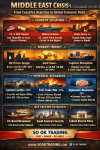
中東危機 2026:停戦拒否から全面戦争リスクへ、そして世界経済への衝撃
✨ 序文
2026年10月5日現在、中東地域は数十年来で最も重要な転換点に差し掛かっています。アメリカ合衆国は ドナルド・トランプ大統領 の指導の下、イランが提案した 7日間の停戦案 を拒否し、外交・軍事・世界経済の各分野で緊張が急速に拡大しています。
この二大勢力の対立は政治的安定に影響を与えるだけでなく、原油価格・金価格・国際物流システム にも深刻な波紋を広げており、世界市場は日々高まる不確実性に反応し始めています。
世界の注目が集まる ホルムズ海峡 —— エネルギー貿易の生命線において、アメリカとその同盟国の動き、そしてイランやイエメンのフーシ派による応酬が、2026年最後の四半期 における世界経済の行方を左右する重要な要因となりつつあります。
SO OK TRADING — FAST • SHARP • RELIABLE
5 10月 2026
