Currency Insight Feb 2026: Dollar Weakens, Baht Strengthens – A Golden Chance for Importers, A Tough Challenge for Exporter
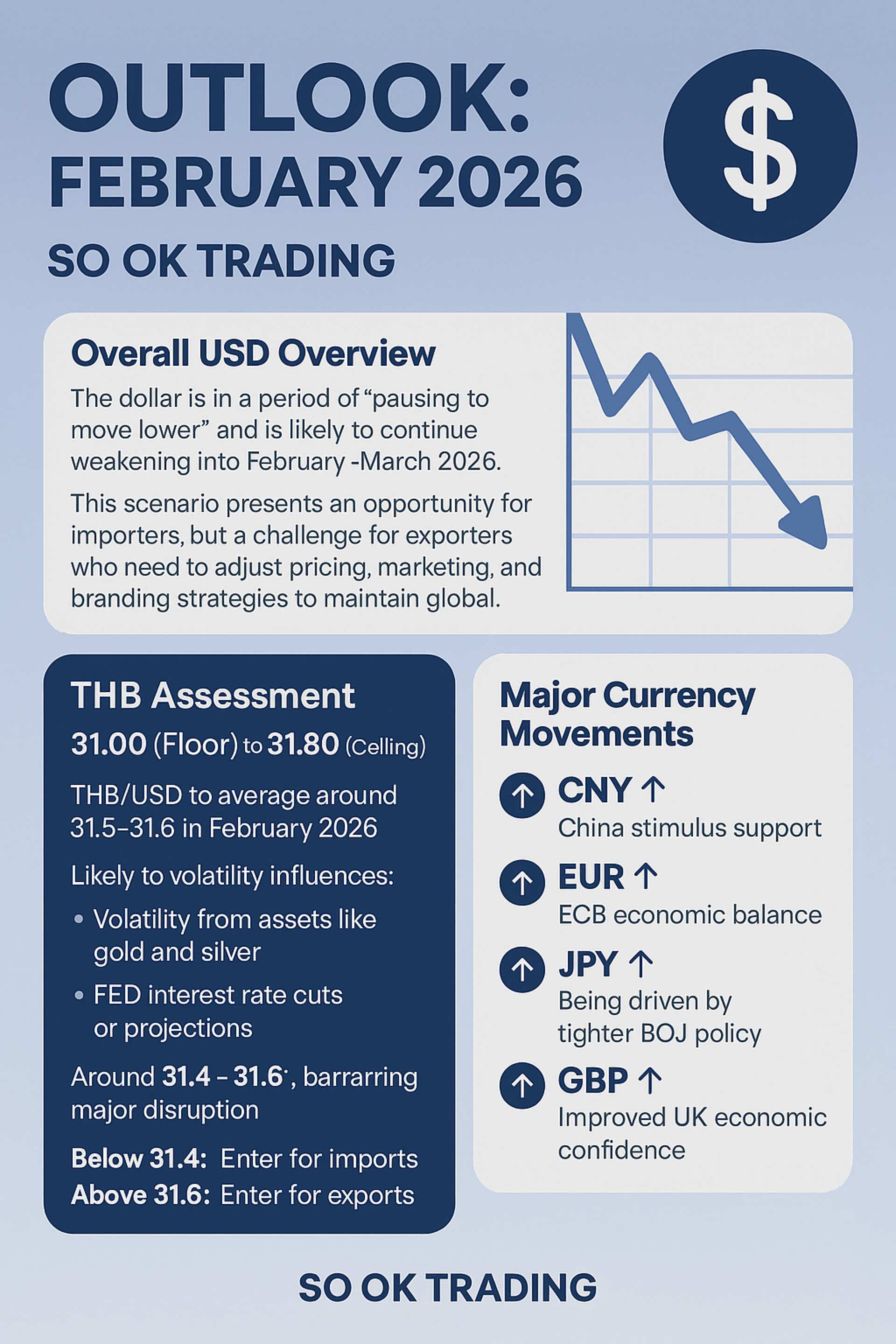
Dollar Weakens – Baht Strengthens, Major Global Currencies Follow
At the start of 2026, global financial markets are undergoing a major shift. The US dollar (USD) continues to weaken, not only against the Thai baht but also against other major currencies. This reflects a new reality: the dollar is no longer the star of the show, and Thai businesses must adapt quickly to stay competitive.
US Dollar (USD) – Downtrend Not Over
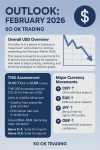
The US Dollar Index (DXY) has broken below the key level of 97.0, touching 95.5 – its lowest in nearly four years. Analysts widely agree that the outlook remains bearish. While short-term rebounds may occur, persistent pressure from Federal Reserve (Fed) rate cuts and a slowing US economy continue to weigh on the dollar.
Thai Baht (THB) – Continuing to Strengthen
In January, the dollar fell to 30.91 baht before closing the month at 31.56. For February, the expected trading range is 30.90–31.80 baht per dollar. This presents a golden opportunity for importers and travelers, who benefit from lower costs. Exporters, however, face challenges and must adjust pricing and marketing strategies to maintain competitiveness.
Chinese Yuan (CNY) – Supported by Beijing
The yuan has strengthened to around 6.95 per dollar, backed by China’s economic stimulus measures and positive signals from the US Treasury regarding currency balance. This highlights China’s growing role as a driver of global economic momentum.
Euro (EUR) – Steady Recovery
The euro has climbed to 1.18–1.19 per dollar, with forecasts suggesting it could reach 1.22 by year-end. The European Central Bank (ECB) has ended its monetary easing cycle, making the euro more attractive to investors seeking stability.
Japanese Yen (JPY) – Regaining Strength
The yen is expected to trade between 151–155 per dollar in Q1, and could strengthen further to 146–148 by year-end. The Bank of Japan (BoJ) has shifted toward tighter monetary policy, reversing years of weakness in the currency.
British Pound (GBP) – Riding the Trend
The pound is projected to move within 1.35–1.36 per dollar. Despite ongoing domestic political challenges, market confidence in the UK economy is improving, lending greater stability to the pound.
Insights for Thai Exporters
The combination of a stronger baht and weaker dollar means exporters must think fast and adapt quickly. This environment directly impacts price competitiveness in global markets.
Diversify into Strong Currency Markets
With the euro, yen, and pound strengthening, Thai exporters should expand into Europe and Japan, where customers now have greater purchasing power.
Adjust Pricing and Contract Currency
Consider shifting contracts from USD to EUR or JPY to reduce risks from a stronger baht.
Use Hedging Tools
Forward contracts or options can help manage exchange rate volatility, protecting margins and stabilizing costs.
Strengthen Brand Value
When price competition intensifies, focus on product storytelling, quality, and brand strength to win customers beyond just pricing.
Monitor Global Economic Indicators
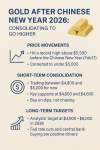
US labor data, gold prices, and Fed policy decisions are key drivers that can shift currency trends. Staying informed allows exporters to plan more effectively.
USD Outlook by SO OK TRADING
The dollar is in a phase of “consolidation before further decline” and is likely to continue weakening through February and March 2026. This is a clear advantage for importers, but a challenge for exporters who must rethink pricing, marketing, and branding strategies to remain competitive.
THB Outlook by SO OK TRADING
The baht is expected to trade between 31.00 (floor) and 31.80 (ceiling), averaging around 31.5–31.6 in February. Volatility will be driven by precious metals such as gold and silver, Fed rate cut expectations, and broader economic policy. Practical guidance:
Below 31.4 → favorable for imports
Above 31.6 → favorable for exports