Watching the Thai Baht (January 26 – 31, 2026) After Gold Surges Past $5,000/oz Analysis by SO OK TRADING
Thai Baht Exchange Rate and Market Outlook (January 26 – February 7, 2026)
Market Overview
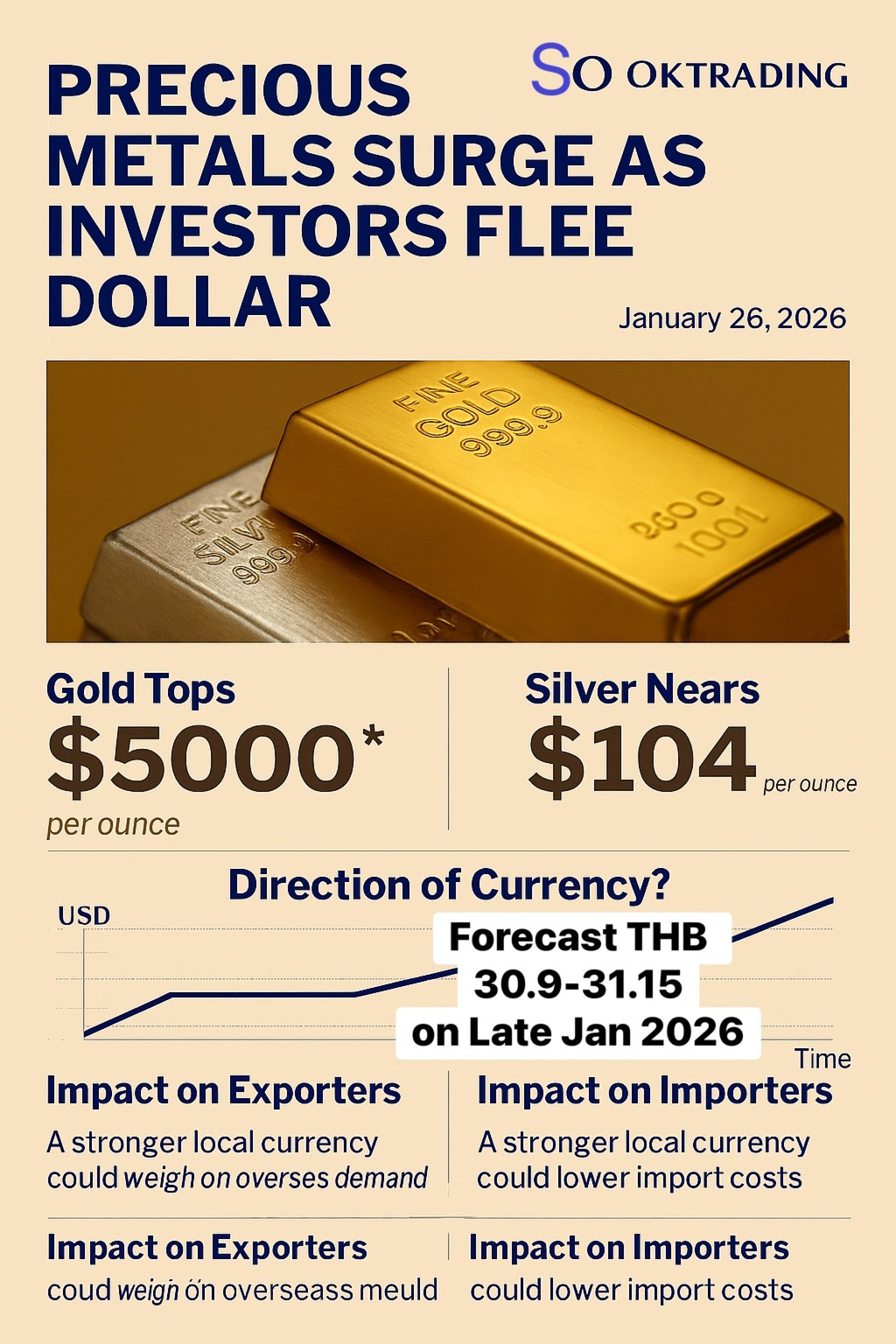
Morning of January 26, 2026: The Thai Baht strengthened, trading in the range of 31.00–31.10 THB/USD.
Key exchange rates:
USD/THB: 31.00–31.08
JPY/THB: 100 yen ≈ 19.80–20.00 THB
EUR/THB: ≈ 36.38 THB
CNY/THB: ≈ 4.44 THB
Factors Supporting Baht Appreciation
Weak U.S. Dollar: Driven by slowing U.S. economic data and expectations of Federal Reserve rate cuts.
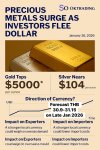
Gold Price Surge: Gold broke above $5,000/oz (≈ 70,000 THB per baht gold), prompting Thai investors to sell gold for profit and convert USD proceeds into THB.
Stronger Yen: Regional currencies, including the Baht, gained momentum alongside the Japanese yen’s appreciation.
Gold’s Mechanism on Baht Strength
Thai investors sell gold → retailers/exporters sell gold in global markets → receive USD.
USD converted back into THB → increased USD supply in the domestic FX market → upward pressure on Baht.
Gold transactions account for a significant share of Thailand’s FX market, amplifying the impact compared to other countries.
Risks and Bank of Thailand (BOT) Measures
BOT intervened after the Baht broke below 31.00/USD.
Measures under consideration:
Buying USD to slow Baht appreciation.
Tightening gold transaction controls (mandatory reporting via app, daily trading limits of 50–100 million THB for large traders).
Long-term risks: Thai GDP growth projected below 2%, and potential capital outflows could weaken the Baht.
Baht Outlook
January 26–31, 2026: Range 30.70–31.60 → continued appreciation expected.
February 1–7, 2026: Range 30.50–31.50 → volatility likely to increase.
Fed signals rate cuts → weaker USD, stronger Baht.
BOT stricter intervention → temporary Baht rebound (weaker).
Weak Thai economic data → moderates Baht’s upward momentum.
Strategic Recommendations
Importers: Gradually buy USD (Forward Contracts) when Baht strengthens below 30.80.
Exporters: Wait for rebound opportunities or use Options to hedge against FX risk.
Summary for SO OK TRADING
Movements in the Thai Baht and gold prices directly affect SO OK TRADING’s export business.
The Baht’s continued appreciation and BOT’s interventions represent both risks and opportunities.
By combining financial hedging tools with strategic communication in global markets, SO OK TRADING can reinforce its image as a stable and sustainable export leader.