Wood Pellets — A Clean Energy Source Green Energy for Carbon Credit (BY SOOK TRADING)
Last updated: 8 Jan 2026
3180 Views
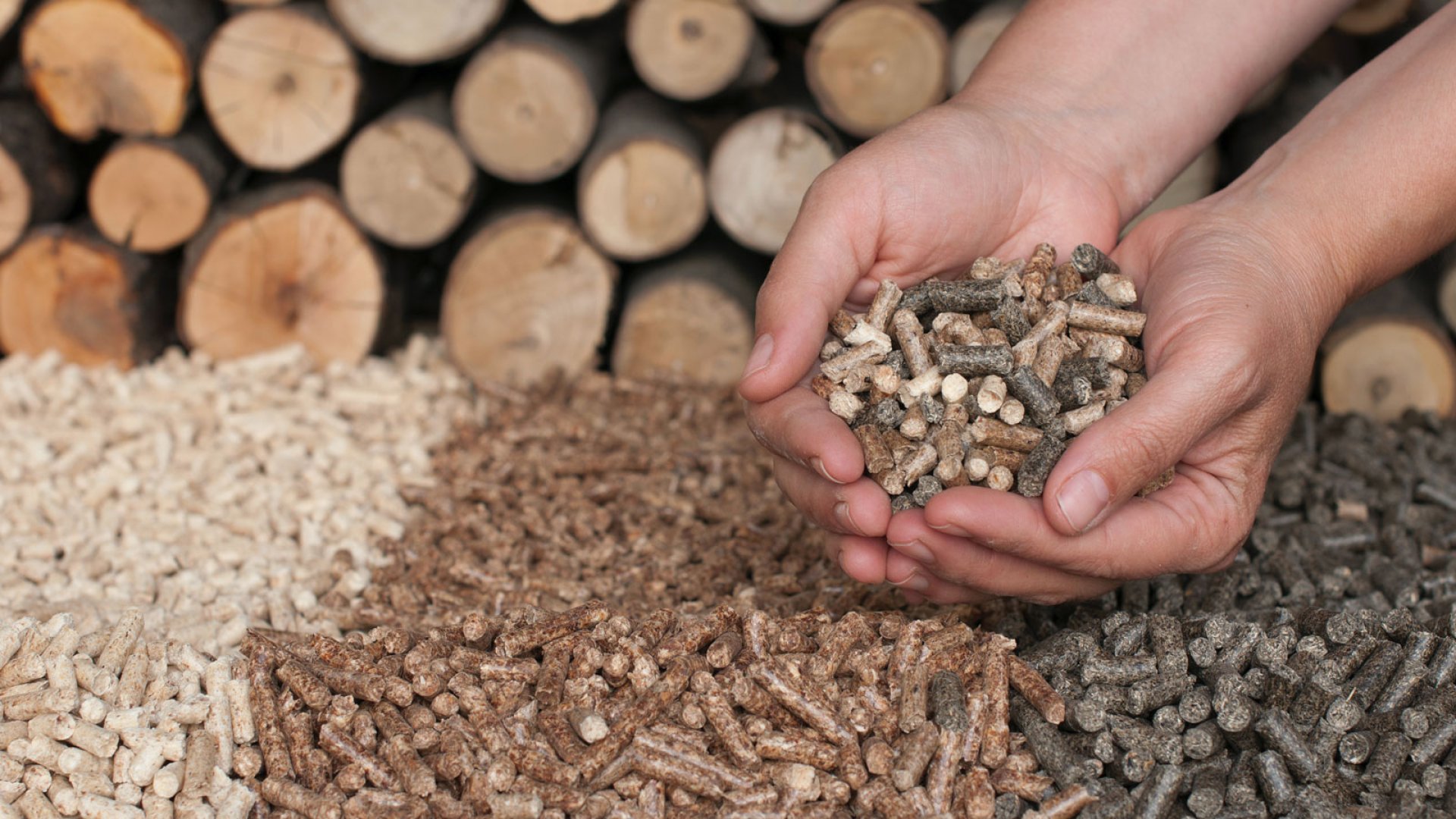
Key Drivers of Global Biomass Fuel Demand Growth
As governments around the world promote renewable energy policies, the global transition from fossil fuels to low-carbon energy sources is accelerating. Japan has set a target to increase the share of renewable energy to 22–24% by 2030, aiming to reduce greenhouse gas emissions and strengthen energy security.
Main Drivers
Sustainability Certification Systems: Programs such as SBP (Sustainable Biomass Program) and GGL (Green Gold Label)
Stable Raw Material Supply: Industries such as paper manufacturing, wood processing, and biomass power generation require consistent and reliable feedstock
Limited Domestic Resources: Domestic biomass sources like construction waste and sawmill residues are insufficient to meet demand
Import Dependency and Diversified Procurement: Imports mainly come from Vietnam and Southeast Asian countries. To mitigate procurement risks, stable supply from multiple countries is essential
Export Potential of Thai Wood Pellets
Thailand is a rapidly growing exporter of wood pellets in Southeast Asia, with Japan and South Korea as its primary markets. Demand is expected to continue rising in 2025–2026, driven by clean energy policies and carbon credit mechanisms.
Contact Us
SOOK TRADING (Thailand) offers stable and reliable wood pellet supply. If you are interested in sourcing, please contact us via:
WeChat / WhatsApp: +66 9555 66352
Facebook: SOOKTRADING
Official Website https://www.sooktrading.com/contact
As governments around the world promote renewable energy policies, the global transition from fossil fuels to low-carbon energy sources is accelerating. Japan has set a target to increase the share of renewable energy to 22–24% by 2030, aiming to reduce greenhouse gas emissions and strengthen energy security.
Main Drivers
Sustainability Certification Systems: Programs such as SBP (Sustainable Biomass Program) and GGL (Green Gold Label)
Stable Raw Material Supply: Industries such as paper manufacturing, wood processing, and biomass power generation require consistent and reliable feedstock
Limited Domestic Resources: Domestic biomass sources like construction waste and sawmill residues are insufficient to meet demand
Import Dependency and Diversified Procurement: Imports mainly come from Vietnam and Southeast Asian countries. To mitigate procurement risks, stable supply from multiple countries is essential
Export Potential of Thai Wood Pellets
Thailand is a rapidly growing exporter of wood pellets in Southeast Asia, with Japan and South Korea as its primary markets. Demand is expected to continue rising in 2025–2026, driven by clean energy policies and carbon credit mechanisms.
Contact Us
SOOK TRADING (Thailand) offers stable and reliable wood pellet supply. If you are interested in sourcing, please contact us via:
WeChat / WhatsApp: +66 9555 66352
Facebook: SOOKTRADING
Official Website https://www.sooktrading.com/contact



Related Content

Copper Scrap Classification and Market Trends in Global and Thai Contexts
Copper scrap is not merely “old material,” but a strategic resource in modern metal industries and recycling. It is 100% recyclable without losing its electrical or physical properties, making it a cornerstone for reducing production costs, lowering dependence on natural resources, and meeting environmental (ESG) standards.
As the world transitions toward a Green Economy and stricter ESG frameworks, copper recycling saves up to 85% of energy compared to mining and refining new ore, while significantly reducing carbon emissions.
International standards such as the ISRI Standard play a crucial role in classifying copper scrap, determining its price, value, and recycling process. From the highest purity Bare Bright Copper to mixed Copper Alloys requiring separation and re-smelting, classification directly impacts market valuation.
In 2026, both global and Thai copper scrap markets are entering a Structural Uptrend, driven by surging demand from EV manufacturing, data centers, renewable energy, and AI technologies — all of which rely heavily on copper as a primary raw material.
SO OK TRADING, as a trusted non-ferrous metals partner from Thailand, is committed to advancing toward a sustainable recycling future. Guided by the principle FAST • SHARP • RELIABLE, we aim to set new standards for the Thai and Asian metals market.
11 Oct 2026
