Coconut Shell Charcoal Growing Demand from China and Japan BY SOOK TRADING
Last updated: 8 Jan 2026
3489 Views
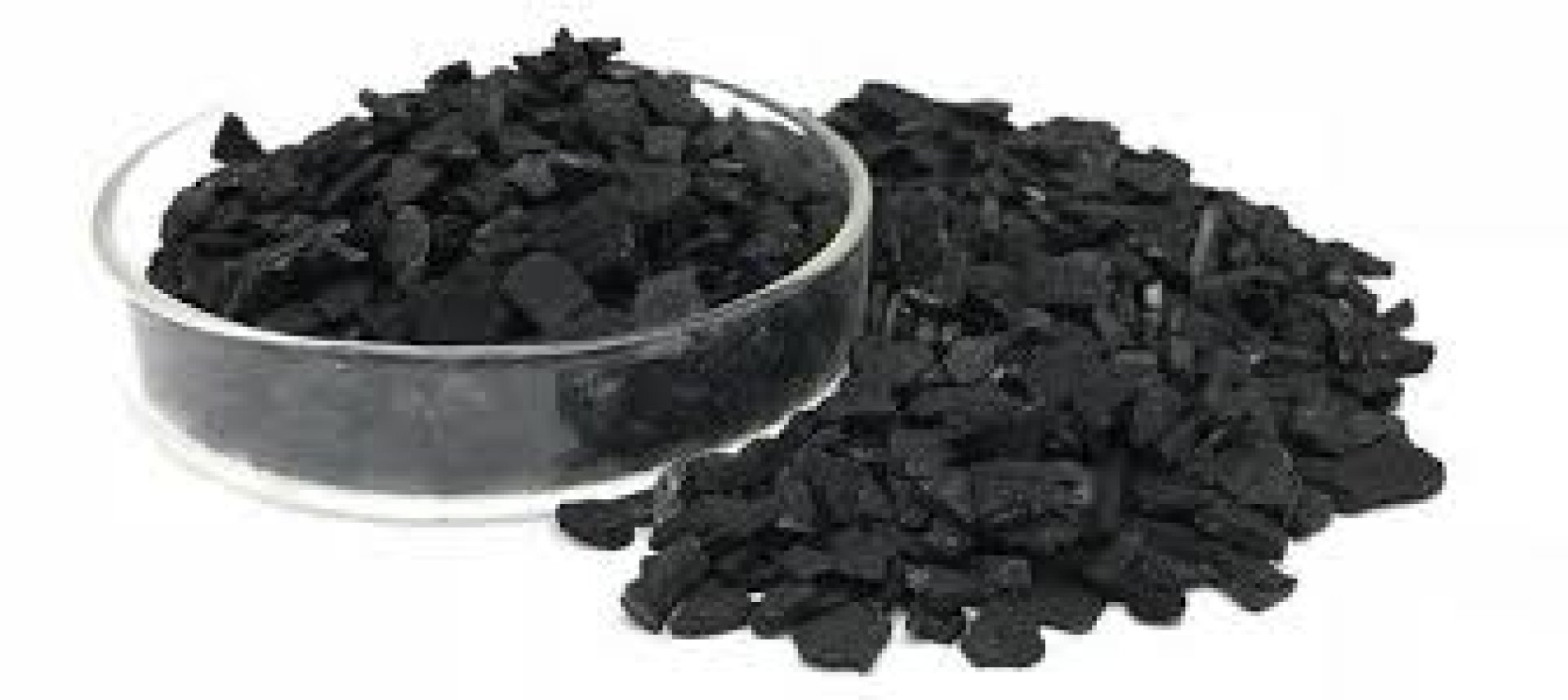
Role of China in the Industry
China is one of the world’s largest producers and users of Activated Carbon, processing coconut shell charcoal and coal into high-value products. Activated Carbon is widely applied in petrochemical industries, wastewater treatment, and air purification. In addition, China is developing innovative applications such as battery materials and advanced filtration systems, reflecting its strong demand for high-quality carbon materials.
Main Applications in China
Activated Carbon: Water filtration, air purification, chemical industries
Energy & Technology: Batteries and energy storage systems, advanced filtration materials → strong future demand
Role of Japan in the Industry
Japan widely uses coconut shell charcoal in restaurants and households, especially for Yakiniku, Yakitori, and BBQ, due to its high heat, long burning time, and smokeless properties—ideal for urban restaurants.
In the energy and environmental sector, Japan applies Pyrolysis technology to produce Biochar from coconut shells, which helps with carbon sequestration and reducing greenhouse gas emissions. Japan also produces Activated Carbon for water filtration, air purification, and chemical industries.
Main Applications in Japan
Activated Carbon: Water filtration, air purification, chemical industries
Biochar: Carbon sequestration, clean energy → growing trend in Japan
Food Service & Household: Yakiniku, Yakitori, BBQ → strong demand in premium restaurant sector
Strategic Summary
China → Focus on supplying high-quality coconut shell charcoal for Activated Carbon and industrial filtration, with long-term contracts to reduce price volatility.
Japan → Focus on premium branding, OEM partnerships, and eco-friendly marketing (Biochar, Net Zero initiatives).
Contact SOOK TRADING
If you are interested in importing coconut shell charcoal from Thailand, please contact SOOK TRADING.
Minimum order: 25 tons
High-quality charcoal according to specifications at competitive prices
Continuous export experience to China and Japan
Contact Channels:
Facebook Page: SOOK TRADING
Website: https://www.sooktrading.com/contact
WhatsApp: +66 955566352
WeChat: +66 955566352
China is one of the world’s largest producers and users of Activated Carbon, processing coconut shell charcoal and coal into high-value products. Activated Carbon is widely applied in petrochemical industries, wastewater treatment, and air purification. In addition, China is developing innovative applications such as battery materials and advanced filtration systems, reflecting its strong demand for high-quality carbon materials.
Main Applications in China
Activated Carbon: Water filtration, air purification, chemical industries
Energy & Technology: Batteries and energy storage systems, advanced filtration materials → strong future demand
Role of Japan in the Industry
Japan widely uses coconut shell charcoal in restaurants and households, especially for Yakiniku, Yakitori, and BBQ, due to its high heat, long burning time, and smokeless properties—ideal for urban restaurants.
In the energy and environmental sector, Japan applies Pyrolysis technology to produce Biochar from coconut shells, which helps with carbon sequestration and reducing greenhouse gas emissions. Japan also produces Activated Carbon for water filtration, air purification, and chemical industries.
Main Applications in Japan
Activated Carbon: Water filtration, air purification, chemical industries
Biochar: Carbon sequestration, clean energy → growing trend in Japan
Food Service & Household: Yakiniku, Yakitori, BBQ → strong demand in premium restaurant sector
Strategic Summary
China → Focus on supplying high-quality coconut shell charcoal for Activated Carbon and industrial filtration, with long-term contracts to reduce price volatility.
Japan → Focus on premium branding, OEM partnerships, and eco-friendly marketing (Biochar, Net Zero initiatives).
Contact SOOK TRADING
If you are interested in importing coconut shell charcoal from Thailand, please contact SOOK TRADING.
Minimum order: 25 tons
High-quality charcoal according to specifications at competitive prices
Continuous export experience to China and Japan
Contact Channels:
Facebook Page: SOOK TRADING
Website: https://www.sooktrading.com/contact
WhatsApp: +66 955566352
WeChat: +66 955566352


Related Content
STR 20 Rubber Industry Outlook 2026: Thailand’s Golden Era ✨
Thailand’s STR 20 (Standard Thai Rubber 20) industry is entering its most pivotal moment in over a decade. Prices have surged to their highest level in 13 years, global demand is rising, and environmental standards are becoming increasingly stringent. STR 20 is no longer just an “agricultural commodity” — it has been elevated into a strategic raw material, directly fueling the growth of the electric vehicle (EV) industry and the global tire market.
As the world’s No.1 producer and exporter, Thailand leverages its strengths in superior cleanliness, low dirt content, and an advanced traceability system that outpaces competitors. These advantages have earned strong trust in premium markets across Europe and the United States, with EUDR-compliant rubber commanding additional price premiums.
17 Oct 2026
Global Aluminium Market Overview & Outlook — September 29, 2026
SO OK TRADING Insight: From Structural Tightness to a New Price Era in the Clean Energy Transition
✍️ Introduction
By late September 2026, the global aluminium market continues to trade at elevated levels of USD 3,240–3,260 per metric ton, reflecting persistent structural tightness in supply and the accelerating demand for clean energy. Aluminium is now at a pivotal turning point — evolving from a conventional industrial metal into a “strategic metal of the future”, powering electric vehicles, solar energy, wind turbines, and AI data centers.
Despite short-term pressures from China’s economic slowdown and expectations of U.S. Federal Reserve rate hikes, the medium- to long-term outlook remains firmly bullish. Prices are expected to establish a higher base between 2027–2033, driven by clean energy demand and rising carbon costs.
29 Sept 2026

