Coconut Shell Charcoal Growing Demand from China and Japan BY SOOK TRADING
Last updated: 8 Jan 2026
3478 Views
Role of China in the Industry
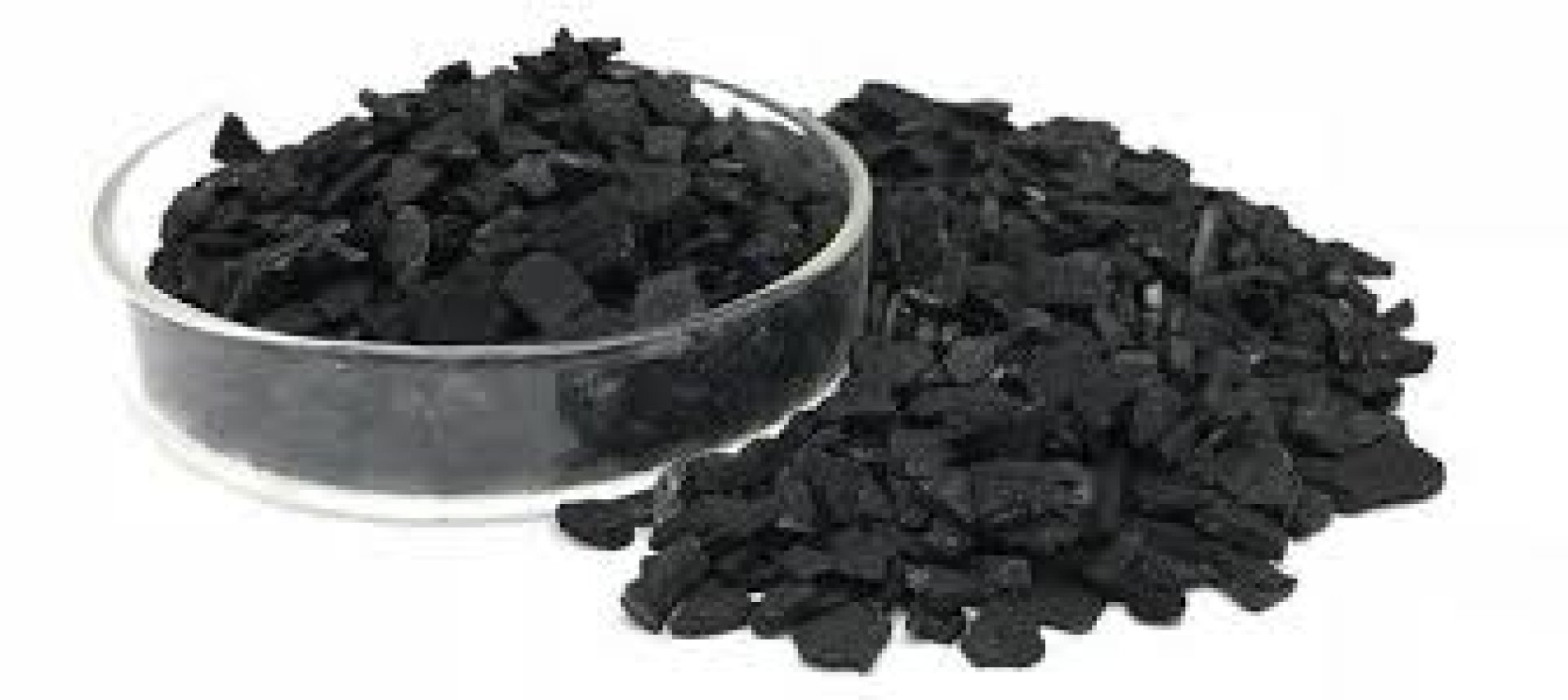
China is one of the world’s largest producers and users of Activated Carbon, processing coconut shell charcoal and coal into high-value products. Activated Carbon is widely applied in petrochemical industries, wastewater treatment, and air purification. In addition, China is developing innovative applications such as battery materials and advanced filtration systems, reflecting its strong demand for high-quality carbon materials.
Main Applications in China
Activated Carbon: Water filtration, air purification, chemical industries
Energy & Technology: Batteries and energy storage systems, advanced filtration materials → strong future demand
Role of Japan in the Industry
Japan widely uses coconut shell charcoal in restaurants and households, especially for Yakiniku, Yakitori, and BBQ, due to its high heat, long burning time, and smokeless properties—ideal for urban restaurants.
In the energy and environmental sector, Japan applies Pyrolysis technology to produce Biochar from coconut shells, which helps with carbon sequestration and reducing greenhouse gas emissions. Japan also produces Activated Carbon for water filtration, air purification, and chemical industries.
Main Applications in Japan
Activated Carbon: Water filtration, air purification, chemical industries
Biochar: Carbon sequestration, clean energy → growing trend in Japan
Food Service & Household: Yakiniku, Yakitori, BBQ → strong demand in premium restaurant sector
Strategic Summary
China → Focus on supplying high-quality coconut shell charcoal for Activated Carbon and industrial filtration, with long-term contracts to reduce price volatility.
Japan → Focus on premium branding, OEM partnerships, and eco-friendly marketing (Biochar, Net Zero initiatives).
Contact SOOK TRADING
If you are interested in importing coconut shell charcoal from Thailand, please contact SOOK TRADING.
Minimum order: 25 tons
High-quality charcoal according to specifications at competitive prices
Continuous export experience to China and Japan
Contact Channels:
Facebook Page: SOOK TRADING
Website: https://www.sooktrading.com/contact
WhatsApp: +66 955566352
WeChat: +66 955566352
China is one of the world’s largest producers and users of Activated Carbon, processing coconut shell charcoal and coal into high-value products. Activated Carbon is widely applied in petrochemical industries, wastewater treatment, and air purification. In addition, China is developing innovative applications such as battery materials and advanced filtration systems, reflecting its strong demand for high-quality carbon materials.
Main Applications in China
Activated Carbon: Water filtration, air purification, chemical industries
Energy & Technology: Batteries and energy storage systems, advanced filtration materials → strong future demand
Role of Japan in the Industry
Japan widely uses coconut shell charcoal in restaurants and households, especially for Yakiniku, Yakitori, and BBQ, due to its high heat, long burning time, and smokeless properties—ideal for urban restaurants.
In the energy and environmental sector, Japan applies Pyrolysis technology to produce Biochar from coconut shells, which helps with carbon sequestration and reducing greenhouse gas emissions. Japan also produces Activated Carbon for water filtration, air purification, and chemical industries.
Main Applications in Japan
Activated Carbon: Water filtration, air purification, chemical industries
Biochar: Carbon sequestration, clean energy → growing trend in Japan
Food Service & Household: Yakiniku, Yakitori, BBQ → strong demand in premium restaurant sector
Strategic Summary
China → Focus on supplying high-quality coconut shell charcoal for Activated Carbon and industrial filtration, with long-term contracts to reduce price volatility.
Japan → Focus on premium branding, OEM partnerships, and eco-friendly marketing (Biochar, Net Zero initiatives).
Contact SOOK TRADING
If you are interested in importing coconut shell charcoal from Thailand, please contact SOOK TRADING.
Minimum order: 25 tons
High-quality charcoal according to specifications at competitive prices
Continuous export experience to China and Japan
Contact Channels:
Facebook Page: SOOK TRADING
Website: https://www.sooktrading.com/contact
WhatsApp: +66 955566352
WeChat: +66 955566352


Related Content

โซลาร์เซลล์เป็นทางเลือกใหม่ที่ช่วยประหยัดค่าไฟระยะยาว เป็นพลังงานสะอาดจากแสงอาทิตย์ ผลิตไฟฟ้าใช้เอง ลดค่าใช้จ่าย มีหลายระบบให้เลือก (On-grid, Off-grid, Hybrid) ติดตั้งง่าย ใช้ได้ทุกที่ แต่มีค่าลงทุนเริ่มต้นสูง แต่คุ้มค่าในระยะยาว พร้อมเทคโนโลยีใหม่ๆ อย่าง Perovskite ที่กำลังพัฒนาเพื่อเพิ่มประสิทธิภาพให้หลากหลายขึ้น ทั้งติดตั้งบนหลังคาอาคาร, หน้าต่าง หรือแม้กระทั่งใช้กับยานยนต์ไฟฟ้า.
ข้อดีหลัก
ประหยัดค่าไฟ: ลดค่าไฟฟ้าได้มากถึง 70% และคืนทุนใน 3-5 ปี.
พลังงานสะอาด: เป็นมิตรต่อสิ่งแวดล้อม ไม่สร้างมลพิษ.
พลังงานหมุนเวียน: ใช้พลังงานจากแสงอาทิตย์ที่ไม่จำกัด.
ใช้ได้ทุกที่: ติดตั้งได้ทั้งบ้าน อาคาร หรือพื้นที่ห่างไกล.
ระบบโซลาร์เซลล์ยอดนิยม
On-Grid: ต่อตรงกับไฟบ้าน ได้รับความนิยมมาก คืนทุนเร็ว เหมาะกับผู้ใช้ไฟทั่วไป.
Off-Grid: ใช้กับแบตเตอรี่ เหมาะกับพื้นที่ที่ไม่มีไฟฟ้า แต่ค่าใช้จ่ายสูงกว่า.
Hybrid: ผสมผสาน On-Grid และ Off-Grid ใช้ได้ทุกสถานการณ์ แต่ลงทุนสูง.
นวัตกรรมใหม่ที่น่าสนใจ
Perovskite Solar Cells: เทคโนโลยีใหม่ น้ำหนักเบา ยืดหยุ่นสูง ประสิทธิภาพสูง เหมาะกับงานหลากหลาย เช่น ฉีดพ่นบนอาคาร, หน้าต่าง.
พลังงานจากเม็ดฝน (TENG): เทคโนโลยีที่ผสมผสานเพื่อผลิตไฟฟ้าจากเม็ดฝนตกกระทบแผง ทำให้ผลิตไฟฟ้าได้แม้ในวันฝนตก.
สิ่งที่ต้องพิจารณา
ขนาดแผง: คำนวณให้เหมาะสมกับอุปกรณ์ไฟฟ้าที่จะใช้.
ผู้ผลิต: เลือกผู้ผลิตที่น่าเชื่อถือ มีการรับประกันยาวนาน.
การบำรุงรักษา: ทำความสะอาดแผงเป็นประจำเพื่อประสิทธิภาพสูงสุด.
โซลาร์เซลล์จึงเป็นทางเลือกที่ตอบโจทย์ด้านพลังงานและสิ่งแวดล้อมได้ดีเยี่ยมสำหรับผู้ใช้ไฟฟ้าทุกกลุ่ม.
12 Dec 2025
Global Aluminium Outlook October 2026 — Analysis by SO OK TRADING
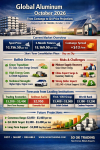
The global aluminium market (LME) has entered a short-term consolidation phase after a strong rally in the previous quarter. The latest spot price stands at $3,156.50 per ton, while the 3-month futures are quoted at $3,169.50 per ton. The spread of +$13 clearly reflects a Contango structure — signaling that supply is sufficient and there is no immediate rush for physical demand.
Although prices have corrected to $3,170 per ton, the overall sentiment remains a “Buy on Dip” opportunity, as the market continues to face a structural supply deficit. Demand growth driven by the Green Transition — electric vehicles (EVs), solar energy, and renewable infrastructure — underpins the long-term bullish outlook.
This analysis explores bullish drivers and risk factors, provides insights from leading global financial institutions, and outlines the price outlook for Q4 2026, enabling businesses and investors to craft confident procurement strategies in a market that remains strong yet volatile.
1 Oct 2026
RDF‑3 & Wood Pellet: Opportunities and Challenges in the Global Clean Energy Market
SO OK TRADING | October 7, 2026
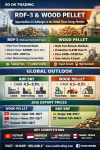
As the world accelerates its Energy Transition to achieve the Net Zero Carbon goal, alternative fuels such as RDF‑3 (Refuse Derived Fuel) and Wood Pellet (biomass fuel) have become vital in reducing dependence on coal and heavy fuel oil in both industrial and power generation sectors.
Driven by Thailand’s Net Zero 2065 policy, the Carbon Tax, and the EU’s CBAM (Carbon Border Adjustment Mechanism), businesses worldwide are being compelled to shift decisively toward clean energy — and Thailand is at the forefront of this transformation.
SO OK TRADING sees significant opportunities in the rapidly growing alternative fuel market, both domestically and internationally. In particular, RDF‑3 is well‑suited for waste‑to‑energy plants and cement industries, while Wood Pellet holds strong potential for exports to Japan, South Korea, and Europe.
This is not just a fuel transition — it is the transformation of Thailand’s energy future toward global sustainability
7 Oct 2026
