Molasses for Livestock Feed — Nutritional Support for Farmers to Achieve Quality Production (SUPPLY by SOOK TRADING)
Last updated: 7 Jan 2026
3771 Views
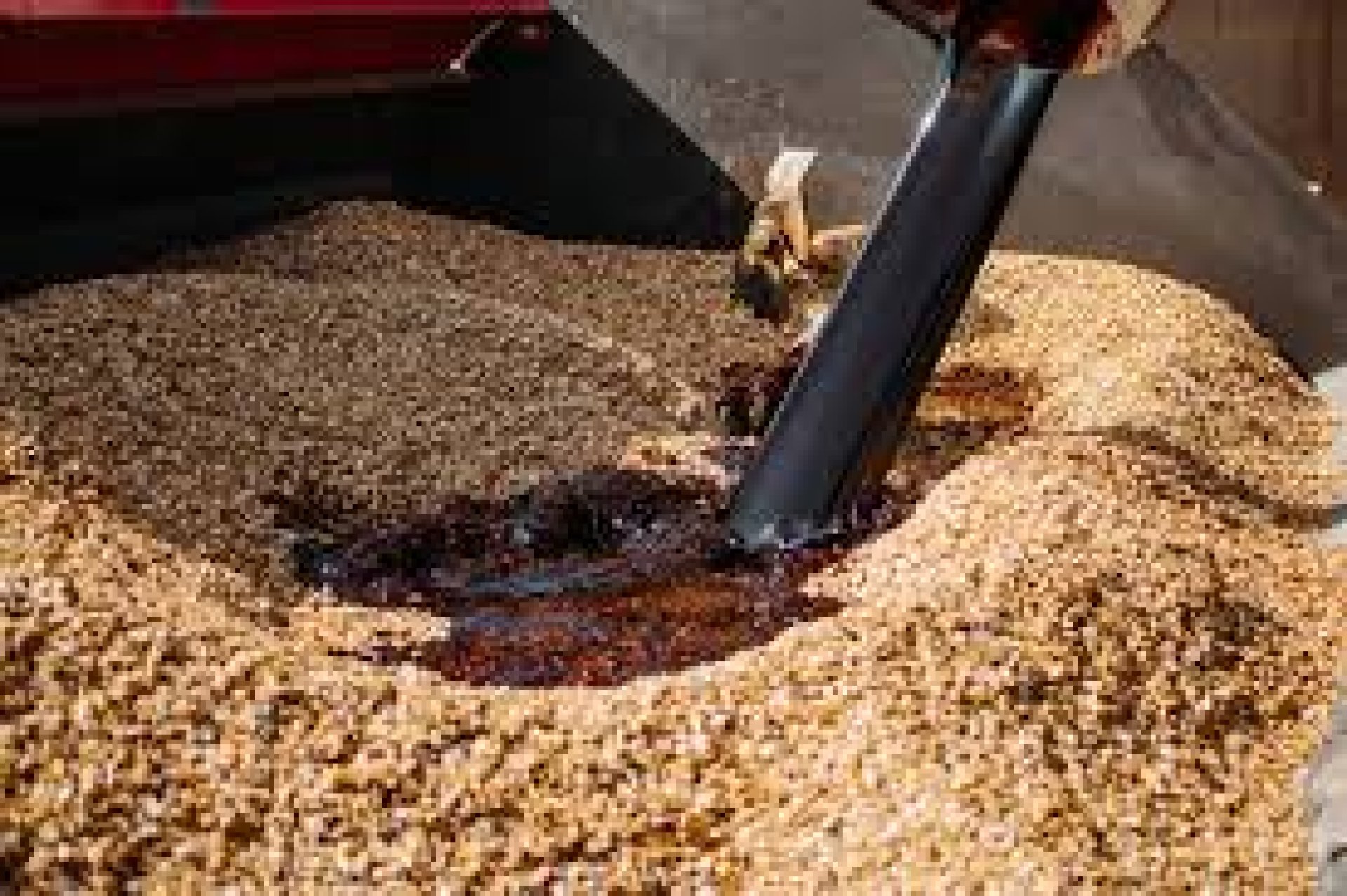
Molasses for Livestock Feeding
Molasses is a by-product of sugar production with high nutritional value. It is suitable for use as a feed supplement in livestock, especially cattle, buffalo, goats, and sheep, to help increase energy and improve the palatability of roughage.
Key Nutrients in Molasses
Carbohydrates (sucrose, glucose, fructose) → Rapid energy source
Minerals: Potassium, calcium, magnesium, phosphorus
B vitamins (some produced during fermentation)
Water ~20% → Helps keep feed moist
Benefits for Livestock
Energy boost: Improves animal strength and health
Enhances palatability: Makes straw or roughage sweeter and easier to consume
Aids digestion: Stimulates rumen microbes in ruminants
Reduces dust in pellets: Acts as a binder to strengthen feed pellets
Carrier for nutrients/medication: Makes supplements easier to administer
Advantages and Precautions
Advantages of Molasses
Very inexpensive compared to other energy sources
Improves palatability of roughage such as straw, grass, legumes, corn, cassava chips, and pellets
Provides natural minerals and vitamins to support animal health
Disadvantages of Molasses
Excessive use may cause diarrhea
High moisture content → prone to spoilage or mold
Lower energy compared to refined sugar
Benefits for Farmers
Reduces feed costs: Replaces expensive energy sources
Improves production quality: Animals grow stronger, faster, and produce better meat and milk
Supports integrated farming systems: Can be mixed with straw, sugarcane tops, or hay
Generates additional income: Molasses can also be used to produce biofertilizer and fermented solutions
✅ Summary
Molasses is a nutritious, economical feed ingredient that enhances livestock productivity. It is ideal for farmers aiming to raise healthy animals and achieve better yields. However, it should be used in moderation and stored properly to prevent spoilage.
Nutrients and Use of Molasses in Livestock Feed
Formula for Beef/Dairy Cattle
Molasses-Urea Straw Silage
Rice straw: 100 kg
Clean water: 50 liters
Molasses: 3–5 kg
Urea: 1 kg
Method
Dissolve urea and molasses in water
Pour over straw layer by layer
Pack tightly in a silo or pit, cover securely
Ferment for 21 days → produces soft, sweet, easily digestible straw
Benefits
Increases protein and energy in straw
Encourages cattle to consume more roughage
Reduces reliance on concentrate feed
Formula for Goats/Sheep
Molasses-Mixed Roughage
Chopped Napier grass: 20 kg
Molasses: 2 kg
Rice bran: 1 kg
Usage
Mix thoroughly and feed fresh
Suitable as a supplement during forage shortages
Benefits
Improves palatability
Provides quick energy
Promotes faster growth and better health
Comparative Use of Molasses in Different Livestock
Beef/Dairy Cattle: Molasses + urea straw silage → Increased straw intake, higher protein, better milk/meat quality
Goats/Sheep: Mixed with chopped grass + rice bran → Faster growth, improved health
Swine: Added to pellets at 3–5% → Better feed intake, improved palatability, reduced dust
Poultry: Used as pellet binder → Stronger pellets, improved feed color and palatability
Outcomes of Using Molasses in Animal Feed
Provides energy as a carbohydrate source for ruminants
Enhances palatability of straw, sugarcane tops, or roughage
Stimulates rumen bacteria activity
Reduces dust and strengthens feed pellets
Serves as a carrier for medication/nutrients
Acts as a mild laxative due to high mineral content
Other Industrial Uses of Molasses
Beyond livestock feed, molasses is also used in related industries:
Bioenergy: Ethanol production
Food & beverages: Alcohol, yeast, vinegar, soy sauce, seasoning sauces
Chemicals: Monosodium glutamate and fermentation products
✅ Final Note
Molasses is not just “a leftover from sugar mills” but truly a golden ingredient for farmers. It helps improve feed quality, reduce costs, and strengthen livestock productivity — delivering high-value results at low cost.
For inquiries or supply requests
You can contact SO OK TRADING via:
Email: sooktrading@outlook.com
Facebook Message: SOOKTRADING
Contact Us page on the official website
Would you like me to refine this into a one-page brochure style version (with concise bullet points and farmer-friendly highlights) so it’s ready for distribution?
Molasses is a by-product of sugar production with high nutritional value. It is suitable for use as a feed supplement in livestock, especially cattle, buffalo, goats, and sheep, to help increase energy and improve the palatability of roughage.
Key Nutrients in Molasses
Carbohydrates (sucrose, glucose, fructose) → Rapid energy source
Minerals: Potassium, calcium, magnesium, phosphorus
B vitamins (some produced during fermentation)
Water ~20% → Helps keep feed moist
Benefits for Livestock
Energy boost: Improves animal strength and health
Enhances palatability: Makes straw or roughage sweeter and easier to consume
Aids digestion: Stimulates rumen microbes in ruminants
Reduces dust in pellets: Acts as a binder to strengthen feed pellets
Carrier for nutrients/medication: Makes supplements easier to administer
Advantages and Precautions
Advantages of Molasses
Very inexpensive compared to other energy sources
Improves palatability of roughage such as straw, grass, legumes, corn, cassava chips, and pellets
Provides natural minerals and vitamins to support animal health
Disadvantages of Molasses
Excessive use may cause diarrhea
High moisture content → prone to spoilage or mold
Lower energy compared to refined sugar
Benefits for Farmers
Reduces feed costs: Replaces expensive energy sources
Improves production quality: Animals grow stronger, faster, and produce better meat and milk
Supports integrated farming systems: Can be mixed with straw, sugarcane tops, or hay
Generates additional income: Molasses can also be used to produce biofertilizer and fermented solutions
✅ Summary
Molasses is a nutritious, economical feed ingredient that enhances livestock productivity. It is ideal for farmers aiming to raise healthy animals and achieve better yields. However, it should be used in moderation and stored properly to prevent spoilage.
Nutrients and Use of Molasses in Livestock Feed
Formula for Beef/Dairy Cattle
Molasses-Urea Straw Silage
Rice straw: 100 kg
Clean water: 50 liters
Molasses: 3–5 kg
Urea: 1 kg
Method
Dissolve urea and molasses in water
Pour over straw layer by layer
Pack tightly in a silo or pit, cover securely
Ferment for 21 days → produces soft, sweet, easily digestible straw
Benefits
Increases protein and energy in straw
Encourages cattle to consume more roughage
Reduces reliance on concentrate feed
Formula for Goats/Sheep
Molasses-Mixed Roughage
Chopped Napier grass: 20 kg
Molasses: 2 kg
Rice bran: 1 kg
Usage
Mix thoroughly and feed fresh
Suitable as a supplement during forage shortages
Benefits
Improves palatability
Provides quick energy
Promotes faster growth and better health
Comparative Use of Molasses in Different Livestock
Beef/Dairy Cattle: Molasses + urea straw silage → Increased straw intake, higher protein, better milk/meat quality
Goats/Sheep: Mixed with chopped grass + rice bran → Faster growth, improved health
Swine: Added to pellets at 3–5% → Better feed intake, improved palatability, reduced dust
Poultry: Used as pellet binder → Stronger pellets, improved feed color and palatability
Outcomes of Using Molasses in Animal Feed
Provides energy as a carbohydrate source for ruminants
Enhances palatability of straw, sugarcane tops, or roughage
Stimulates rumen bacteria activity
Reduces dust and strengthens feed pellets
Serves as a carrier for medication/nutrients
Acts as a mild laxative due to high mineral content
Other Industrial Uses of Molasses
Beyond livestock feed, molasses is also used in related industries:
Bioenergy: Ethanol production
Food & beverages: Alcohol, yeast, vinegar, soy sauce, seasoning sauces
Chemicals: Monosodium glutamate and fermentation products
✅ Final Note
Molasses is not just “a leftover from sugar mills” but truly a golden ingredient for farmers. It helps improve feed quality, reduce costs, and strengthen livestock productivity — delivering high-value results at low cost.
For inquiries or supply requests
You can contact SO OK TRADING via:
Email: sooktrading@outlook.com
Facebook Message: SOOKTRADING
Contact Us page on the official website
Would you like me to refine this into a one-page brochure style version (with concise bullet points and farmer-friendly highlights) so it’s ready for distribution?



Tags :
Related Content
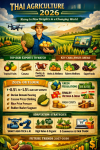
“Thai Agriculture Market 2026: Transforming into a High-Value & Tech-Driven Era — OUTLOOK Rising Stars and Future Trends 2030 by SO OK TRADING”
Article by SO OK TRADING – 6 SEP 2026
✨ Introduction
Thailand’s agriculture sector is entering a new era — shifting from “quantity production” to “value creation and innovation.” The year 2026 marks a pivotal turning point, reflecting Thailand’s adaptation to global trends in health, sustainability, and digital technology
6 Sept 2026

“Hormuz on Fire! U.S.–Iran Pressure Game Shakes Global Commodities”
Negotiations remain unfinished… A global political and economic game every business must watch!
30 May 2026
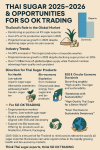
Thai Sugar Export Outlook 2025–2026: Sweetness Meets Sustainability
Thailand is reinforcing its position as the world’s #2 sugar exporter, with over 61% of its production heading to global markets—especially China and ASEAN. As India limits its exports due to drought, Thai producers have a golden opportunity to expand market share and revenue.
At SO OK TRADING, we believe the future of sugar lies in health-conscious innovation, bio-economy transformation, and sustainable production. From low-calorie and organic sugar to bioplastics and bagasse packaging, Thai sugar is evolving beyond sweetness.
Explore our latest infographic to see how SO OK TRADING is helping shape the next chapter of Thai sugar exports—with quality, purpose, and global impact.
31 Jan 2026
