Thai Durian Export to China (FAMOUS DURIAN BY SO OK TRADING)
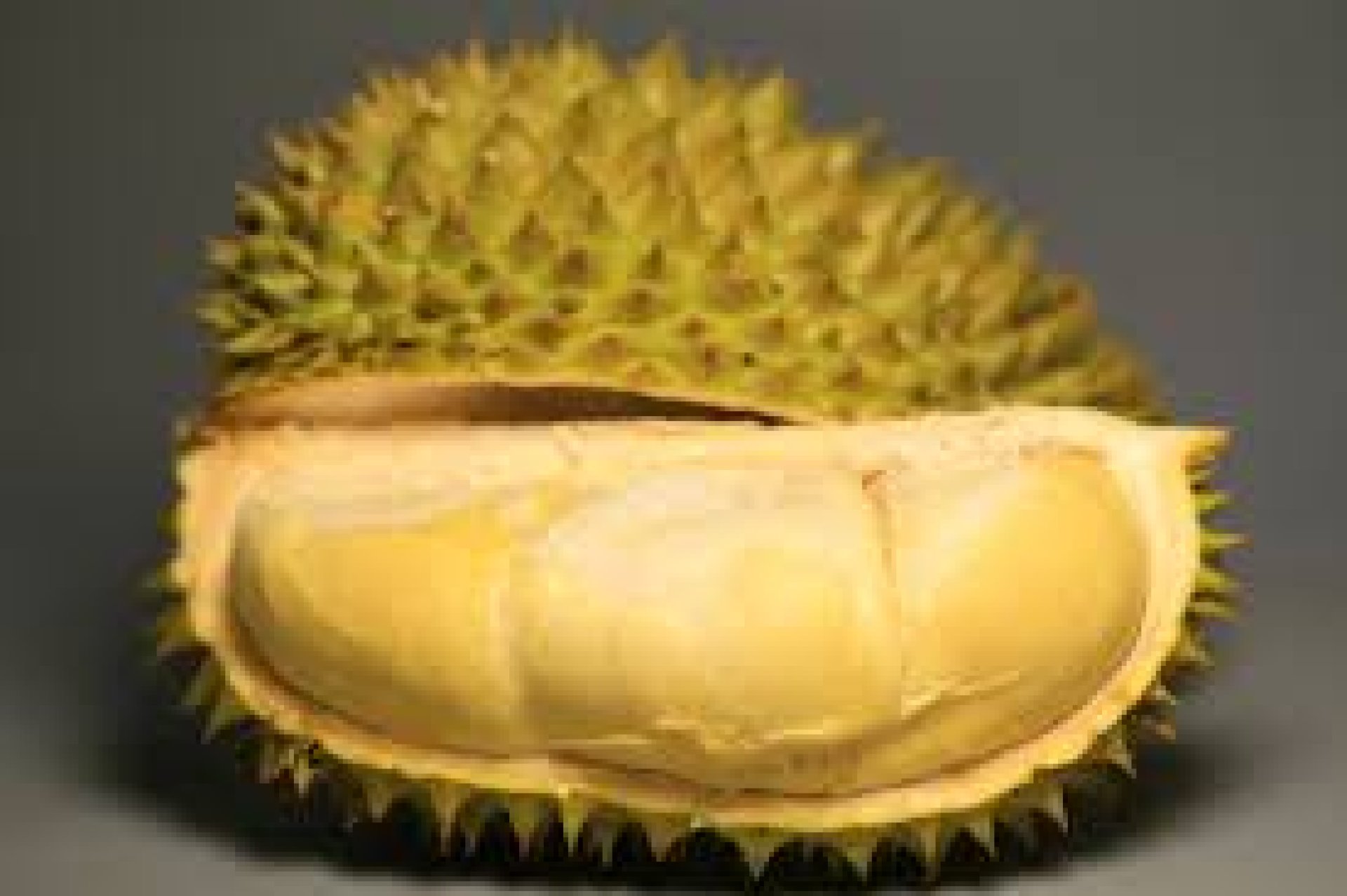
Thai Durian to China
Key Aspects of Thai Durian Exports to China:
Market Dominance: Thailand is the leading global durian exporter, holding a significant market share in China, primarily due to the popularity of its Monthong variety.
Transportation Innovations:
Railways: Direct rail links from Map Ta Phut to Chinese cities like Kunming, Chongqing, and Guangzhou offer faster transit times (3-6 days) than sea freight, reducing spoilage.
Air Freight: Air transport is increasingly used for premium, quick delivery, especially to northern provinces like Shandong.
Door-to-Door Services: Companies offer comprehensive logistics, including customs clearance and refrigerated transport, to streamline the process.
Quality & Technology:AI & Sensors: Smart solutions using AI and near-infrared sensors are being used for rapid, accurate ripeness and quality assessment, improving efficiency.
Stringent Standards: Thailand enforces strict quality controls, banning immature or infested fruit and prohibited chemicals (like Basic Yellow 2 dye).
Government & Customs Cooperation: The Thai Ministry of Agriculture works closely with China's customs (GACC) to streamline border inspections, approve more testing labs, and ensure smooth, 24/7 operations during peak seasons.
Challenges: Competitors like Vietnam are growing, necessitating continuous quality improvement, innovation, and efficient logistics to maintain Thailand's competitive edge.
------
Thai Durian to China - Trend 2026
Thai durian exports to China in 2026 are expected to remain strong but face ongoing challenges from stricter Chinese import standards, intense competition (especially from Vietnam), quality control issues (like chemical residues), and the need for efficient logistics, with Thailand focusing on enhancing quality, branding, and utilizing rail transport while navigating complex testing protocols to maintain market share.
Key Factors for 2026
Quality & Safety Focus: China's strict testing for dyes (like Basic Yellow 2) and heavy metals (cadmium) will continue, pushing Thai producers to improve harvesting and handling to meet standards and avoid rejections, notes this Bangkok Post article and this Produce Report article.
Logistical Improvements: Thailand aims to expand rail links (Thailand-Laos-China) to speed up delivery, potentially reducing transit times significantly, reports this Money & Banking article.
Market Competition: Vietnam is a growing competitor, gaining significant market share, creating pressure for Thai exporters to differentiate and maintain quality, say Produce Report and Money & Banking.
Brand Building: Thailand plans to build its "Thai Durian" brand in China by promoting distinct flavors, expanding online sales, and participating in trade fairs, according to this Bangkok Terminal article.
Price Pressures: Expect continued price volatility, potentially lower prices, due to competition and costs associated with stringent compliance, notes this Kasikorn Research article.
In Summary
Thailand's durian sector is adapting to China's tighter rules by investing in lab testing capacity and quality control, while also leveraging new transport routes like the China-Laos railway to maintain its position as a leading supplier, despite challenges, says this Bangkok Terminal article
-----
How Famous of Thai Durian in China
Thai durian is extremely famous and dominant in China, which is its largest market, accounting for nearly all of Thailand's exports due to strong consumer trust in quality (especially Monthong variety), sweetness, and effective e-commerce promotion, though facing competition from Vietnam and increasing innovation in processed durian products. China's massive appetite for the "King of Fruits" drives significant trade, with strategies focusing on quality control, digital marketing, and logistics to maintain its leading position.
Why Thai Durian is So Famous in China
Dominant Market Share: Thailand supplies the vast majority of fresh durians to China, holding a market share often exceeding 90%.
Quality & Taste: Chinese consumers prefer Thai durians, particularly the Monthong variety, for their sweet taste, creamy texture, small seeds, and overall high quality.
Trade Agreements & Logistics: The China-Thailand Free Trade Agreement supports duty-free entry, while China-Laos Railway improves fast, cold-chain logistics.
Strategic Marketing: Thailand uses digital platforms (like Douyin/TikTok), influencer marketing, and events to reach young, health-conscious Chinese consumers.
Product Innovation: Beyond fresh fruit, Thai durian is integral to popular items like durian buffets, ice cream, and other treats, creating broader appeal.
Market Dynamics
China's Huge Demand: China is the world's largest importer, with demand continuously growing, even reaching new regions within China.
Competition: Vietnam is a significant competitor, leveraging proximity and lower costs, while Malaysia is also entering the market.
Focus on Standards: To stay ahead, Thai producers emphasize strict quality control from farm to marke