Share

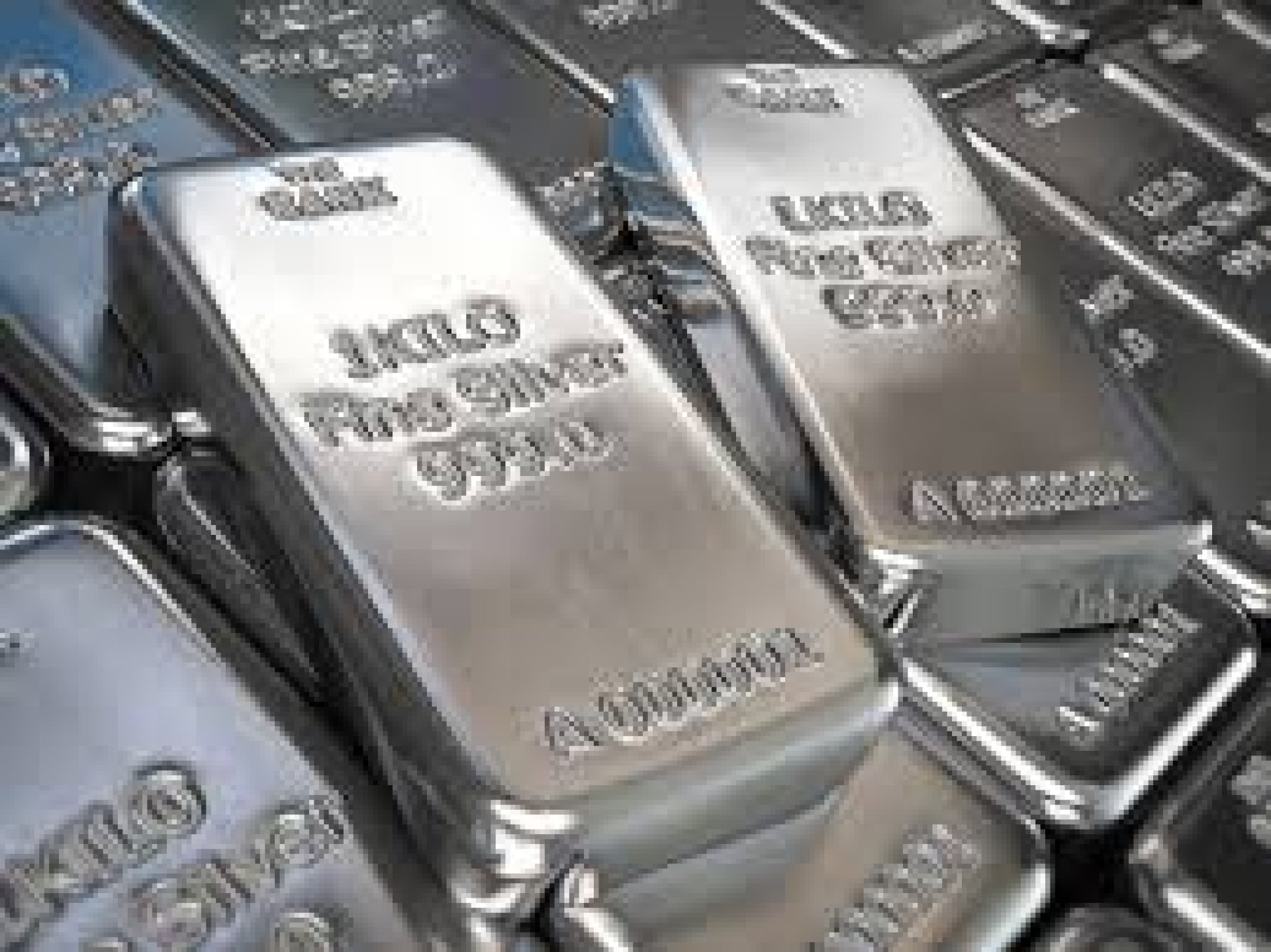
SILVER PRICE TREND AND IT CONTINUE UPWARD ON VALUE FOR YEAR 2026
Last updated: 2 Jan 2026
205 Views

SILVER PRICE AND IT TREND FOR YEAR 2026

Silver in 2026 is likely to be driven by a combination of:
1. Industrial demand growth from green energy, EVs, and electronics.
2. Monetary trends (rate cuts, inflation hedge behavior).
3. Gold–Silver Ratio dynamics — lower ratio may trigger silver outperformance.


SUMMARY
If industrial demand remains strong and monetary conditions are supportive, 2026 could see silver prices outpace gold returns in percentage terms, especially if the GSR compresses toward long-term averages. (FORECAST 80-120 USD/ONZ) 

-----

Key point:
Silver’s range is wide, but downside is structurally limited unless industrial demand collapses or real interest rates stay high for longer. 2026 SILVER might be shortage and deficit supply as mentioned in post introduction


Demand Drivers Supporting Silver in 2026

**  Industrial Demand (Structural Support)

Silver demand is increasingly non-optional.

Main sectors:
• Solar PV (photovoltaic cells) – silver paste is essential
• Electric vehicles (EVs) – power management, sensors
• Electronics & semiconductors
• Medical & antibacterial applications

Global energy transition policies make silver demand policy-driven, not cyclical only.

Investment Demand

Silver benefits when:
• Real interest rates fall --> NOW YES
• USD weakens --> NOW YES
• Inflation expectations rise --> NOW YES 
• Market uncertainty increases --> NOW YES

Silver historically outperforms gold in late-cycle bull markets, though with higher volatility. --> AS OF NOW HIGHEST AROUND 88 USD/ONZ ALL TIME HIGH YES


 Supply Constraints (Critical Factor)

By-product Problem
• Over 70% of silver is produced as a by-product of copper, lead, and zinc mining
• Silver supply cannot be quickly increased even if prices rise

CHINA RESTRICT EXPORT --> 1 JAN 2026 *****

Recycling Limits
• Recycling exists but:
• Technically complex
• Cost-sensitive
• Not scalable fast enough to meet solar/EV growth

This creates a structural supply ceiling. (TIGHTING SHORTEN)


Macro Factors Affecting 2026 Prices

Bullish Macro Conditions
• Federal Reserve rate cuts / lower real yields --> NOW YES
• USD depreciation ---> NOW YES
• Rising geopolitical risk --> NOW YES ESPECIALLY USA-CHINA 
• Persistent inflation or reflation cycle 

-----

CONCLUSION : ---> SILVER PRIE ALREADY TO THE MOON AND ITS CONTINUE TO GO UP : - AS REASON ALL ABOVE IN QUICK VIEW PRICE MIGHT BE OVER 80 AND MIGHT REACH TO LEVEL 100 USD/ONZ in Couple Month (Very Soon)


Related Content
Exporting Premium Thai Agricultural Products to China — Fast, Fresh, and Reliable
15 Jan 2026
HNY 2026 with a First Analysis on Thai Baht Value
he Thai baht in Q1 2026 is expected to strengthen against the US dollar, driven primarily by a weaker dollar globally, a seasonal tourism boost, and expectations of US Federal Reserve rate cuts. This strength is occurring despite a weak domestic economic outlook and the Bank of Thailand's (BoT) likely continued easing of its policy rate. Exchange Rate Drivers and Forecast External Factors: The primary driver for the strengthening baht is external, mainly the broad weakness of the US dollar as global markets price in expected Fed rate cuts. The baht is also correlated with global gold prices, which have been climbing. Tourism High Season: The period extending into Q1 2026 is the high season for tourism, which typically brings in foreign currency and supports the baht's value. Policy Divergence: The BoT is expected to continue its easing cycle, potentially cutting the policy rate further to 1.00% by Q1 2026 to stimulate the sluggish domestic economy. This divergence from a potentially less aggressive US Fed in Q1 could support the baht in the short term, though some analysts warn the currency could weaken later in 2026. Forecasts: Projections for 2026 generally place the baht in a range of 30.80–33.00 per US dollar. Some models estimate it could trade around 31.06 by the end of Q1. A persistently strong baht below 31 per US$ is seen as a significant risk to the Thai export and tourism sectors. Key Economic Context Weak Growth: Thailand's economy is expected to slow down to a 5-year low growth rate of around 1.6-1.8% in 2026, pressured by US tariffs, global trade tensions, and high household debt. The central bank chief expects an improvement in Q1 2026 after a weak second half of 2025. Political Uncertainty: A general election expected in February 2026 could also introduce volatility, though some historical trends suggest the baht may strengthen following the formation of a new government. Low Inflation: Headline inflation is projected to remain subdued or even negative, providing the central bank with justification for further rate cuts to stimulate demand. In summary, Q1 2026 is characterized by a strong and volatile baht driven by external factors, contrasting sharply with a weak domestic economy and accommodative monetary policy.
1 Jan 2026
This website uses cookies for best user experience, to find out more you can go to our Privacy Policy and Cookies Policy
Compare product
0/4
Remove all
Compare
Powered By MakeWebEasy Logo MakeWebEasy