SO OK TRADING'S INSIGHT | The Turning Point for Global Metals Markets in 2027: From Panic Selling to a New Commodity Recovery Cycle 27 NOV 2026
SO OK TRADING'S INSIGHT
The Turning Point for Global Metals Markets in 2027:
Technical Rebound or the Beginning of a New Commodity Recovery Cycle?
27 NOV 2026
An In-Depth Analysis of the Strongest Non-Ferrous Metals Rebound in Months
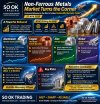
Within just a matter of days, the global Non-Ferrous Metals market has shifted dramatically from a phase of Panic Selling to one of the strongest rebounds seen this year.
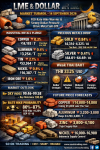
Copper, zinc, aluminium, and nickel have all rallied simultaneously after suffering relentless selling pressure that pushed several metals to their lowest levels in 11 to 13 months.
This rebound is about more than short-term speculation. It reflects a broader shift in market sentiment toward the global economy, trade policy expectations, and the evolving supply risks surrounding industrial raw materials.
The key question facing manufacturers, traders, investors, and procurement managers around the world is clear:
Is this merely a technical rebound from oversold conditions, or is it the first signal of a new Commodity Recovery Cycle heading into 2027?
Executive Summary
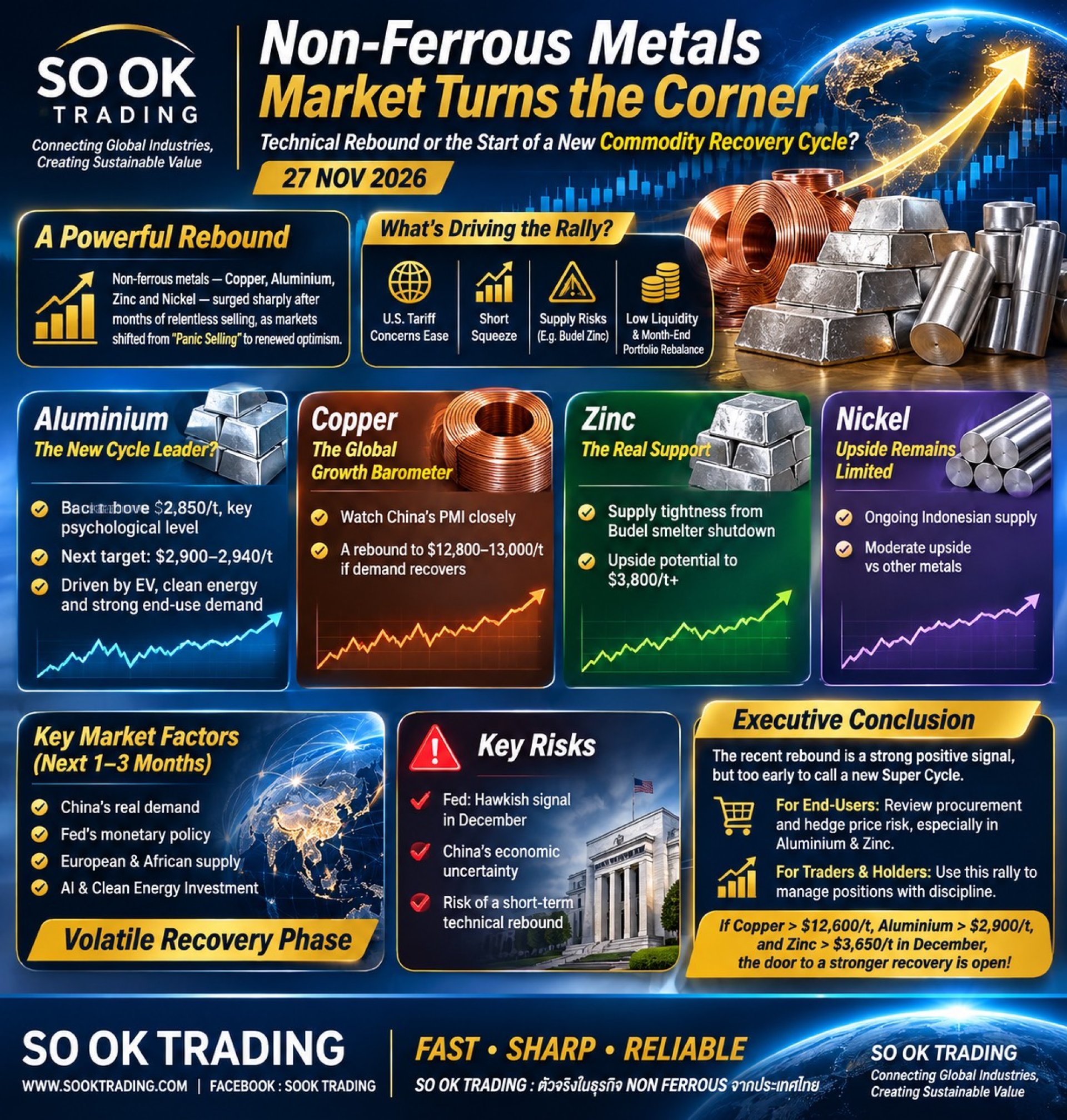
Based on our analysis of both market fundamentals and technical indicators, we believe the global metals market has entered a Volatile Recovery Phase.
While much of this week's buying activity has been driven by short-covering and month-end portfolio rebalancing, signs are emerging that several metals, particularly zinc and aluminium, are beginning to receive support from increasingly favorable fundamentals.
Over the next one to three months, the direction of the market will largely depend on four critical factors:
Real demand recovery in China
U.S. Federal Reserve monetary policy
Supply developments in Europe and Africa
Continued investment in AI infrastructure, data centers, and clean energy projects
Under the current market environment, we believe zinc and aluminium are best positioned to outperform the broader market, while copper remains the most important indicator of whether a genuine global industrial recovery is taking shape.
What Is Driving the Current Rebound?
The recent recovery has been fueled by the convergence of four major factors.
First, concerns surrounding U.S. trade tariffs have eased. Market participants increasingly believe that some proposed tariff measures may be delayed or less aggressive than previously feared. This has weakened the U.S. dollar and encouraged capital flows back into commodities and risk assets.
Second, a significant short-covering wave has swept through the market. Throughout November, speculative funds accumulated substantial short positions across industrial metals. Once prices stopped making new lows, many investors rushed to close their positions, triggering a broad-based short squeeze.
Third, supply concerns have returned to the forefront. In particular, the planned shutdown of Nyrstar's Budel zinc smelter in the Netherlands has reignited fears of tighter zinc supply across Europe.
Finally, lower market liquidity during the Thanksgiving holiday period, combined with month-end fund rebalancing, amplified price movements and increased market volatility.
Aluminium: A Potential Leader of the Next Cycle
Among all non-ferrous metals, aluminium arguably offers the most attractive combination of supportive fundamentals and constructive technical signals.
The market continues to face uncertainty surrounding bauxite exports from Guinea, one of the world's most important raw material suppliers. At the same time, elevated energy costs across Europe continue to constrain production growth.
On the demand side, long-term growth remains supported by electric vehicles, renewable energy projects, power grid investments, and sustainable packaging applications.
Perhaps most importantly, aluminium prices have successfully reclaimed and maintained levels above US$2,850 per ton, a key technical threshold closely watched by market participants.
Should prices remain above this level, the next upside targets are likely to be in the US$2,900 to US$2,940 per ton range, representing a major psychological resistance zone.
In our view, aluminium currently has the strongest potential to develop into a sustainable recovery trend among non-ferrous metals.
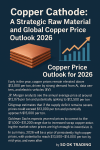
Copper: The World's Most Important Economic Barometer
Copper continues to serve as the market's preferred gauge of global economic health.
Although copper posted one of the strongest rebounds this week, it also remains one of the most closely scrutinized metals.
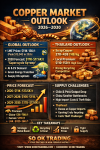
The primary concern is that much of the recent rally appears to be driven by short-covering and speculative buying rather than a meaningful recovery in underlying industrial demand.
Over recent months, copper prices have been pressured by concerns over:
Slowing economic growth in China
Weaker infrastructure investment
Delays in selected AI and industrial projects
As a result, China's manufacturing PMI data in early December could become a decisive catalyst for the market.
If China begins to demonstrate clearer signs of economic recovery, copper could climb toward the US$12,800 to US$13,000 per ton range.
However, if demand remains sluggish, the current rally may prove to be little more than a temporary technical recovery.
Zinc: The Market's Fundamental Standout
If there is one metal with the strongest fundamental support today, it is undoubtedly zinc.
Unlike many recent commodity rallies driven primarily by financial flows, zinc's recovery is underpinned by a genuine supply-side story.
The planned shutdown of the Budel smelter represents a tangible reduction in production capacity rather than merely a sentiment-driven event.
Consequently, the market has begun reassessing the possibility that zinc could move into a tighter supply environment sooner than expected in 2027.
Should prices establish a sustainable move above US$3,650 per ton, the market could open the door to a new upside phase targeting US$3,800 per ton or higher during the first quarter of next year.
Nickel: Oversupply Remains a Structural Challenge
Although nickel has participated in the broader market rebound, its long-term outlook remains more constrained than that of other non-ferrous metals.
The continued expansion of Indonesian production capacity remains a major source of downward pressure on global prices.
At the same time, growth in battery-related demand has begun to normalize compared with the rapid expansion seen in previous years.
As a result, nickel's upside potential remains comparatively limited, even if broader market sentiment remains positive.
Key Risks That Should Not Be Overlooked
Despite improving market sentiment, several important risks remain.
The first is the upcoming Federal Reserve meeting. If policymakers adopt a more hawkish stance than expected, the U.S. dollar could strengthen again, placing renewed pressure on commodity prices.
The second is uncertainty surrounding China's economic outlook. As the world's largest consumer of industrial metals, China's growth trajectory remains central to the long-term direction of the sector.
The final risk is that the current rebound could still be largely technical in nature, rather than being supported by a genuine improvement in end-user demand.
Executive Conclusion
The powerful rebound in global metals markets during late November represents one of the most encouraging developments since the beginning of the fourth quarter.
However, it is still too early to conclude that the market has officially entered a new Super Cycle or a fully established bull market.
From a strategic perspective, industrial consumers should use this period to reassess procurement strategies and strengthen price-risk management programs, particularly for aluminium and zinc, where improving fundamentals are becoming increasingly evident.
For traders and inventory holders, the current recovery presents an opportunity for disciplined portfolio management and profit protection rather than aggressive momentum chasing.
SO OK TRADING believes the market is transitioning from a phase of Panic Selling to a Price Discovery Phase, where a new equilibrium is being established.
If copper can sustainably hold above US$12,600 per ton, aluminium above US$2,900 per ton, and zinc above US$3,650 per ton during December, it would provide strong evidence that the Non-Ferrous Metals market is entering a more durable recovery phase than many investors currently anticipate.
Such a development could mark the beginning of a new chapter for the global metals industry as it moves into 2027.
SO OK TRADING
Connecting Global Industries, Creating Sustainable Value
FAST • SHARP • RELIABLE
SO OK TRADING
Thailand's Trusted Partner in the Non-Ferrous Metals Industry
Website: www.sooktrading.com
Facebook: SO OK TRADING
Connecting Thailand to Global Non-Ferrous Metals Markets.