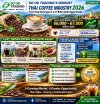
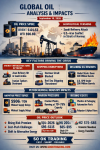
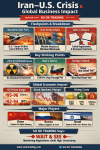
SO OK TRADING'S INSIGHT | Coffee Economy Rising: How the Value of Coffee Beans Is Transforming Thailand's Business Future and Unlocking a THB 67 Billion Market Opportunity | 16 NOV 2026
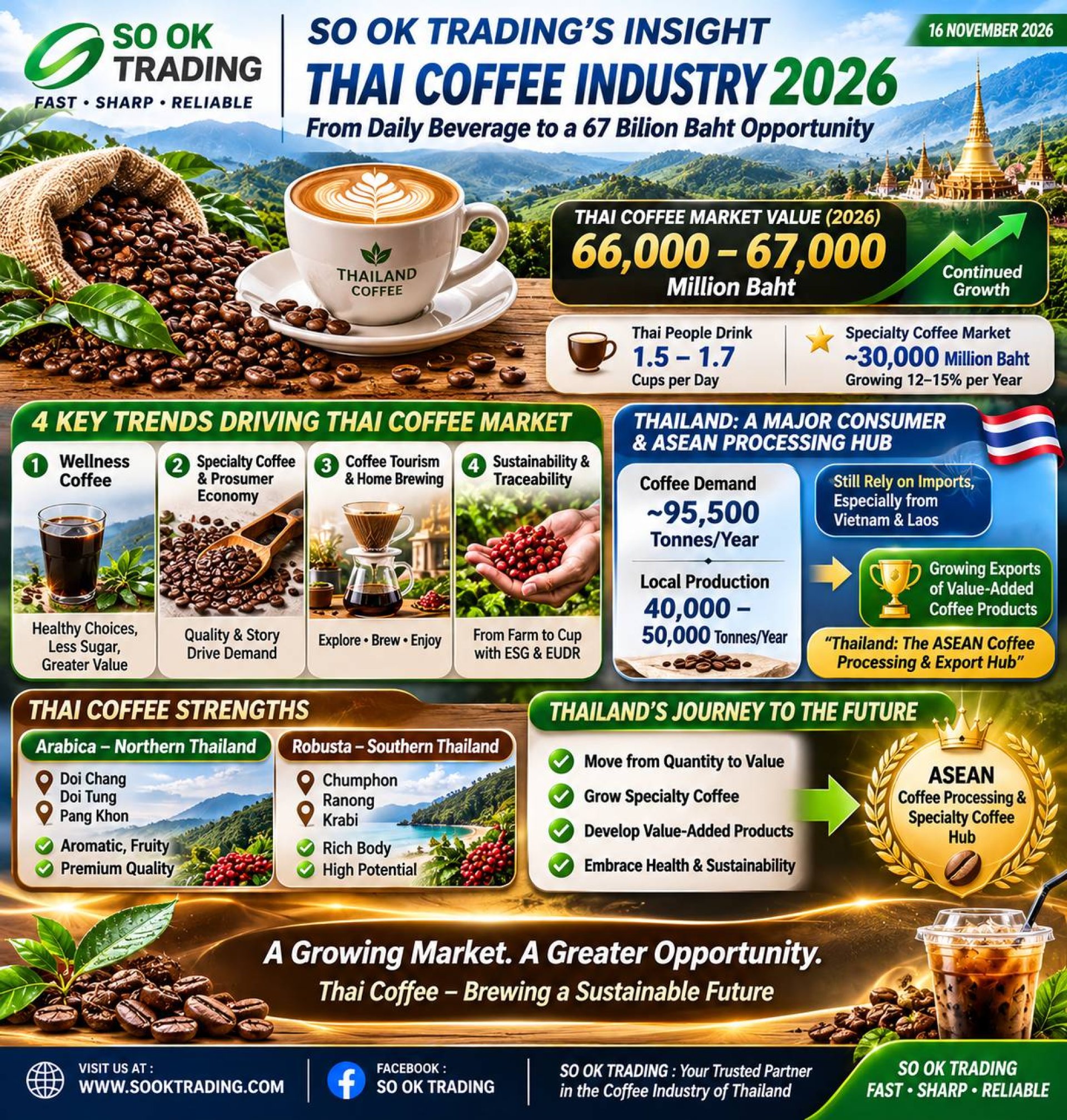
SO OK TRADING'S INSIGHT | Thailand Coffee Industry 2026
From a Daily Beverage to a THB 67 Billion Business Opportunity
Thailand's coffee market continues to demonstrate remarkable resilience despite economic headwinds. In 2026, the industry is projected to reach a market value of approximately THB 66-67 billion, reflecting steady growth from previous years. Coffee has evolved far beyond being a simple beverage, becoming an integral part of lifestyle culture, the experience economy, and one of Thailand's emerging value-added industries.
Today, Thai consumers drink an average of 1.5-1.7 cups of coffee per day, while the country's Specialty Coffee market is valued at approximately THB 30 billion, growing at an annual rate of 12-15%. As a result, competition within the industry is shifting away from price-driven strategies toward differentiation through quality, customer experience, and brand value.
Four Key Trends Driving Thailand's Coffee Industry
1. Wellness Coffee
Health-conscious consumers are increasingly choosing black coffee, low-sugar beverages, and functional coffee products. Coffee shops and brands that successfully align with wellness trends have greater opportunities to create added value, increase customer loyalty, and strengthen long-term competitiveness.
2. Specialty Coffee and the Prosumer Economy
Today's consumers are becoming more knowledgeable about coffee varieties, origins, processing methods, and roasting techniques. This growing sophistication has fueled the rapid expansion of the Specialty Coffee market, where bean origin, flavor profile, craftsmanship, and customer experience have become critical purchasing factors.
3. Coffee Tourism and Home Brewing
Coffee tourism is emerging as a fast-growing lifestyle trend, with consumers increasingly visiting coffee farms, roasting facilities, and specialty cafés. At the same time, the accessibility of home brewing equipment is encouraging more consumers to explore premium coffee experiences from home, further expanding the Specialty Coffee ecosystem.
4. Sustainability and Traceability
Consumers and international buyers are placing greater emphasis on transparency, ethical sourcing, and environmental responsibility. Global regulations such as the European Union Deforestation Regulation (EUDR) are accelerating the adoption of sustainable and traceable supply chains throughout the global coffee industry.
Thailand: A Major Consumer Market and ASEAN's Emerging Processing Hub
Although Thailand's annual coffee demand has reached approximately 95,500 tons, domestic production remains at only 40,000-50,000 tons, requiring significant imports from neighboring countries, particularly Vietnam and Laos.
Vietnam continues to serve as Thailand's primary source of Robusta coffee beans, while coffee from the Bolaven Plateau in Laos has gained increasing popularity within the Specialty Coffee segment due to its quality and distinctive flavor characteristics.
At the same time, Thailand's coffee exports continue to expand, especially in instant coffee and value-added processed products. This trend highlights Thailand's evolving role as a regional hub for coffee processing, value creation, and exports within ASEAN.
Thailand's Competitive Advantages on the Global Coffee Stage
One of Thailand's greatest strengths lies in the diversity of its coffee-producing regions.
Northern Arabica Coffee
Renowned growing regions such as Doi Chang, Doi Tung, and Pangkhon are known for producing premium Arabica beans with floral aromas, fruity acidity, and complex flavor profiles. These characteristics have earned Thai Arabica growing international recognition within the Specialty Coffee market.
Southern Robusta Coffee
Southern provinces including Chumphon, Ranong, and Krabi specialize in Robusta production. These coffees are known for their strong body, rich chocolate notes, and high caffeine content. More recently, the development of Fine Robusta has enhanced the value and global appeal of Southern Thailand's coffee industry.
The combination of premium Arabica and high-quality Robusta enables Thailand to serve both specialty and industrial coffee markets, creating a unique competitive position within the region.
The Future: From Volume to Value
Thailand's coffee industry is entering a new era driven by value creation rather than volume growth.
The rise of Specialty Coffee, increasing demand for premium products, health-conscious consumer behavior, and sustainability standards are creating new opportunities across the entire value chain, from farmers and processors to roasters, café operators, exporters, and investors.
Looking ahead, Thailand is well-positioned to become an:
ASEAN Coffee Processing & Specialty Coffee Hub
Leveraging its strengths in processing capabilities, product innovation, branding expertise, and rapidly growing coffee culture, Thailand has the potential to emerge as one of ASEAN's most influential coffee economies.
The future of Thailand's coffee industry is no longer defined solely by consumption. It is increasingly becoming a platform for value creation, regional leadership, and sustainable economic growth.
SO OK TRADING
Your Trusted Business Partner
FAST • SHARP • RELIABLE
Visit us at: www.sooktrading.com
Facebook: SO OK TRADING