SO OK TRADING INSIGHT: ASEAN Aluminium Packaging — The Golden Era of Innovation and Sustainability
SO OK TRADING INSIGHT
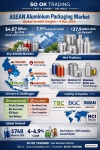
ASEAN Aluminium Packaging Market & Global Trends — November 4, 2026
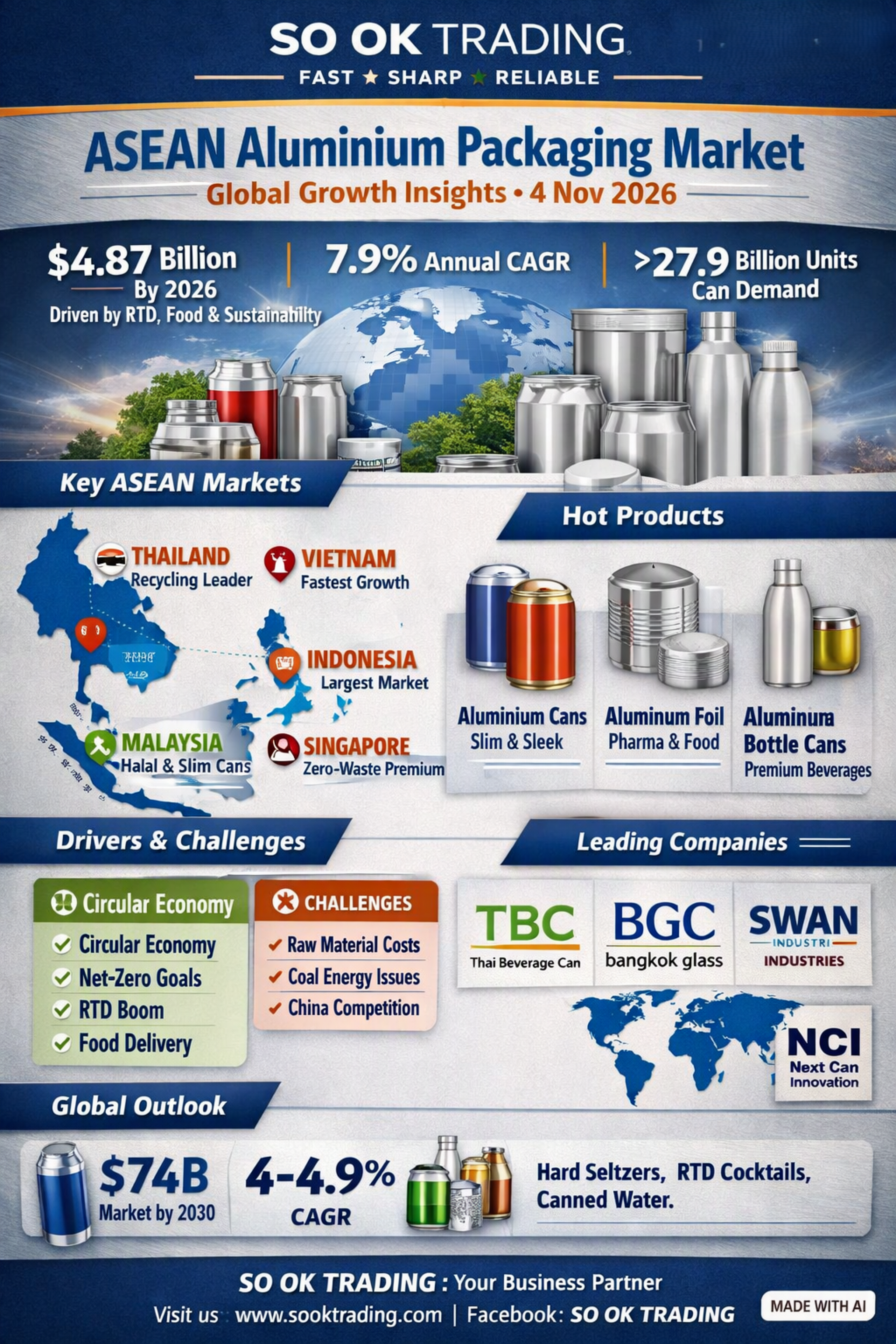
The ASEAN aluminium packaging industry is entering a golden era of growth. Market value across six key countries is projected to reach USD 4.87 billion by 2026, with a strong 7.9% CAGR. Key drivers include the expansion of RTD beverages, food and pharmaceuticals, and the global sustainability movement pushing brands to adopt recyclable aluminium over single-use plastics.
ASEAN Market Highlights
Thailand: Innovation & recycling leader (Aluminium Loop).
Vietnam: Fastest-growing market, attracting foreign investment in craft beer and RTD coffee/tea.
Indonesia: Largest consumer base, strong upstream raw material advantage.
Malaysia: Halal beverage hub, Slim/Sleek cans trending.
Singapore: Premium-focused, pioneering zero-waste packaging.
Product Trends
Aluminium Cans: >90% market share, demand exceeding 27.9–29 billion units. Slim & Sleek cans rising in health drinks and cold brew coffee.
Aluminium Foil: Growing in pharmaceuticals, food packaging, and delivery services.
Aluminium Caps: Expanding in premium beverages and glass-bottled pharma.
⚙️ Drivers & Challenges
Drivers: Circular economy laws, Net-Zero commitments, RTD boom, food delivery growth.
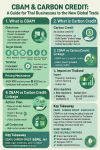
Challenges: Raw material price volatility, coal-powered smelting (CBAM impact), competition from low-cost Chinese packaging.
Key Thai Players
TBC (Thai Beverage Can): Investing in “Swing Line” for cans & aluminium bottles.
BGC (Bangkok Glass Container): Expanding into total packaging solutions, including flexible packaging.
SWAN Industries: Focus on food & beverage cans, collaborating with BGC.
NCI (Next Can Innovation): Premium beer cans with advanced printing technologies.
Packaging Innovations
Aseptic Carton without Aluminium Layer: Reduces carbon footprint by up to 61%.
Aluminium Bottle Can: Targeting premium lifestyle beverages.
Flexible Packaging: Lightweight plastics & corrugated boxes for cost efficiency.
Global Outlook
Global aluminium can market projected at USD 58–61B in 2026, surpassing USD 74B by 2030 (CAGR 4–4.9%).
ESG Pressure: Highest closed-loop recycling rate globally (avg. 75%).
Digital Printing: Enables micro-targeted promotions.
New Beverage Categories: Hard seltzers, RTD cocktails, cold brew, canned water.
Asia-Pacific: Fastest-growing region worldwide.
Global Tier-1 Leaders
Ball Corporation (USA): World’s #1 aluminium packaging pure-play.
Crown Holdings (USA): #2 globally, Net-Zero pioneer.
Ardagh Metal Packaging (Luxembourg/Ireland): 60+ plants across 16 countries.
CANPACK Group (Poland): Strong presence in Europe & Americas.
✅ Summary: ASEAN and global aluminium packaging markets are driven by innovation and sustainability. Aluminium cans remain the backbone, while Aluminium Bottles and Aseptic Cartons open new opportunities in premium and health-focused segments.
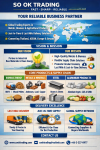
SO OK TRADING — FAST ⚡ SHARP ⚡ RELIABLE Your trusted partner in aluminium packaging from Thailand. www.sooktrading.com | Facebook: SO OK TRADING