“Copper & Aluminium: Strategic Metal Power Igniting Thailand’s Industry Towards a Net Zero Future” SO OK TRADING : 11 SEP 2026

Copper & Aluminium: Strategic Metals Driving the Future of Thailand’s Industry
SO OK TRADING | 11 September 2026
Introduction
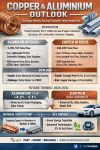
Thailand’s demand for aluminium and copper exceeds 1.3 million tons per year. These two metals are vital raw materials powering major industries such as construction, electric vehicles (EVs), household appliances, electronics, and sustainable packaging. Although Thailand has no domestic ore deposits or primary smelting facilities, imports and recycling have become the key to maintaining competitiveness.
Industry Overview
Aluminium
Annual demand: ~1,051,515 tons
Applications: construction (window frames, doors, building structures), packaging (beverage cans), automotive (casting parts, EV structures), and high-voltage power lines
Imports: 100% from China, Australia, ASEAN, Japan, and South Korea
Outlook: Aluminium will continue to grow as a metal of sustainability, especially in lightweight EVs, eco-friendly packaging, and solar structures
Copper
Annual demand: ~246,659 tons
Applications: wires and cables, electronic circuits, EV motors, air-conditioning systems, and copper tubes
Imports: 100% from China, Australia, Indonesia, Chile, Peru, and neighboring countries
Outlook: Copper is evolving from a basic industrial metal into a Strategic Metal, crucial for the new energy era, driven by EVs, data centers, and smart grids
Outlook and Future Applications
Copper
A single EV (BEV) uses 3–4 times more copper than a conventional gasoline car
Investment in large-scale data centers and cloud infrastructure in Thailand will increase demand for busbars, cables, and copper tubes
Risks: global supply shortages and price volatility → Thailand must strengthen copper scrap recycling and manage price risks
Aluminium
Growth as a metal for sustainability and lightweight solutions
EVs require aluminium casting parts such as battery cases and chassis components
Eco-friendly packaging: aluminium cans replacing single-use plastics
Renewable energy: aluminium as the main material for solar mounting structures
Challenges: compliance with the Carbon Border Adjustment Mechanism (CBAM) → transition to Green Aluminium is essential
Future Trends (2026–2031)
Aluminium: CAGR ~4.2%–5.1%, driven by lightweight EVs, sustainable packaging, and solar energy expansion
Copper: Higher growth than aluminium, fueled by EV adoption, data centers, and smart grids, but facing supply and price risks
Material Substitution
High copper prices are prompting industries to substitute aluminium for copper in busbars, certain cables, and air-conditioning coils — a strategy to control costs and enhance sustainability.
Key Drivers (2026–2031)
Green Transition — shift towards clean energy
Advanced Technologies — EVs, AI, and data centers
Strategic Summary
Copper: accelerate scrap recycling and manage price risks
Aluminium: invest in low-carbon smelting technologies and expand circular economy practices
Thailand’s Industry: must adapt to environmental standards and cost competitiveness to remain strong in the global market
✨ Copper and aluminium will remain the twin pillars of Thailand’s industry in the coming decade. Copper will rise as a strategic metal powering EVs and digital infrastructure, while aluminium will thrive as the symbol of sustainability, supporting the Circular Economy and carbon reduction goals.
SO OK TRADING — FAST • SHARP • RELIABLE www.sooktrading.com Facebook: SO OK TRADING The true leader in Thailand’s Non-Ferrous Metals business