“Iran–U.S. Negotiation Crisis Erupts! The Fragile Thread of Risk Shaking Global Economy and Business” SO OK TRADING|2 JUNE 2026
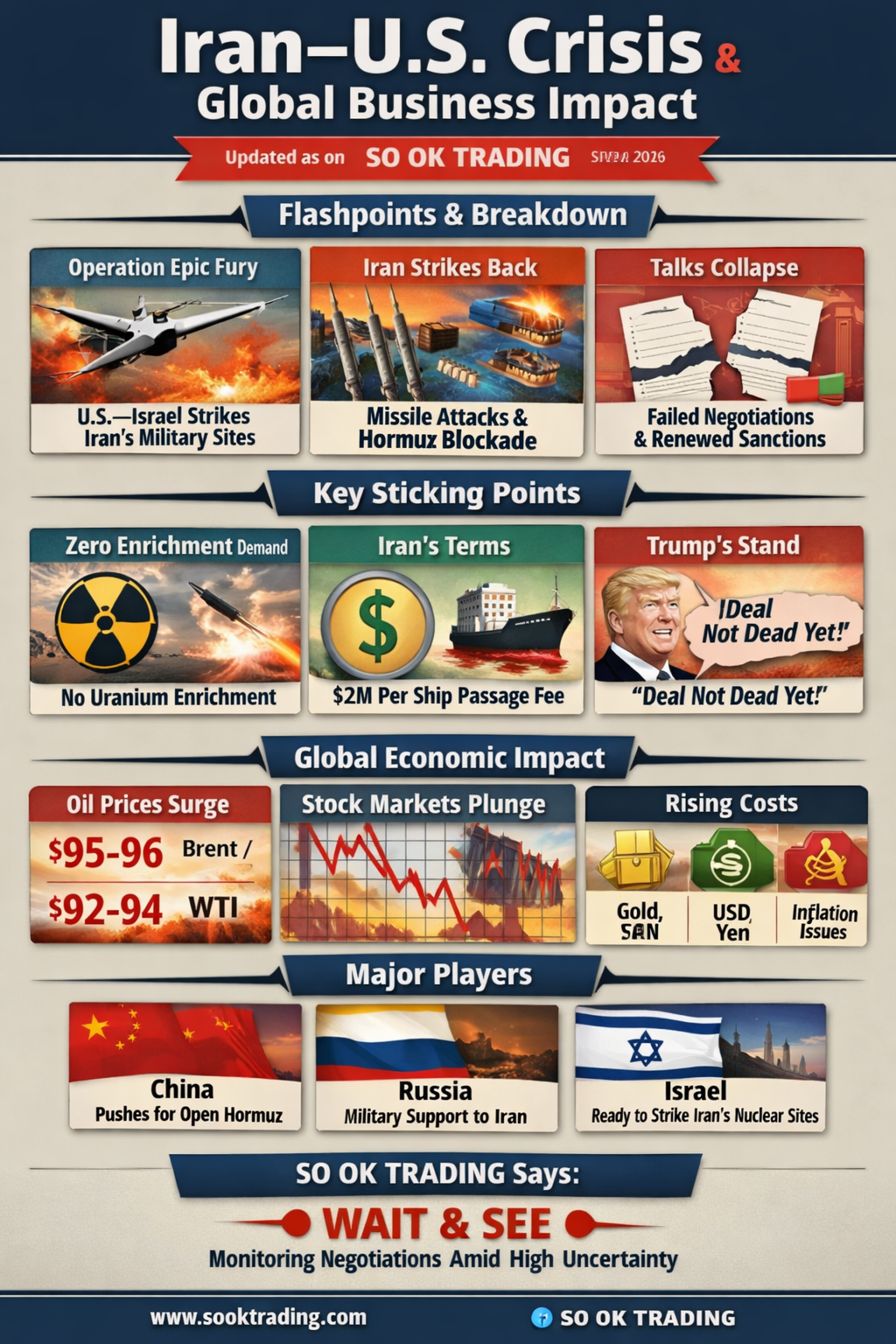
Iran–U.S. Negotiation Crisis and Shockwaves on Global Business : Updated 2 JUNE 2026 : BY SO OK TRADING
Latest Situation
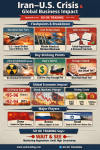
The current standoff between Iran and the United States is not just international politics—it is a power game that directly impacts the global economy, from oil prices to capital markets and supply chains. The collapse of negotiations in June 2026 has pushed the world back into a state of “threads of risk” that could snap at any moment.
Breaking Point and Trigger
The Iran War of 2026 began with “Operation Epic Fury,” a joint U.S.–Israeli strike on Iran’s military infrastructure that resulted in the death of Iran’s Supreme Leader. Iran retaliated with missile launches and drone attacks on U.S. bases, while closing off the Strait of Hormuz, paralyzing global logistics. Although a temporary ceasefire and a 60‑day MOU draft were introduced, continued Israeli strikes and new U.S. sanctions led Iran to announce an indefinite suspension of negotiations.
⚖️ Conditions Behind the Collapse
U.S. Proposal: “Zero Enrichment”—a total ban on uranium enrichment and the transfer of enriched uranium abroad.
Iran’s Position: Insists on the right to peaceful nuclear development, agrees to dilute uranium under third‑party inspection, but refuses to hand it over.
Economic Demands: Permanent lifting of sanctions and a $2 million transit fee per vessel passing through the Strait of Hormuz.
U.S. and Allies’ Stance
President Donald Trump continues to signal optimism, saying “the deal is not dead” and expressing confidence in achieving a “Very Good Deal.” However, pressure from allies—especially Israel, which is intensifying military operations against Hezbollah and preparing to strike Iran’s nuclear facilities—makes negotiations increasingly difficult.
Impact on the Global Economy (Updated 2 JUNE 2026)
Oil Prices: Brent crude surged to $95–96 per barrel, WTI to $92–94 per barrel, rising more than 7% in a single day.
Stock Markets: Global equities plunged as investors sold off risk assets amid concerns over transport costs and supply chain disruptions.
Safe Havens: Capital flowed into gold, the U.S. dollar, and the Japanese yen.
Inflation Pressure: Many countries face rising inflation and living costs due to persistently high oil prices.
Role of Other Powers
China: As the largest importer of Iranian oil, it is pressing Iran to reopen the Strait but remains cautious of U.S. sanctions.
Russia: Supports Iran with military technology and benefits from higher oil prices.
Israel: Continues military operations in Lebanon and prepares to strike Iran’s underground uranium enrichment facilities.
Business Outlook
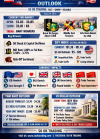
Energy & Logistics: Must brace for higher costs and supply chain risks.
Investors: Should monitor safe‑haven assets such as gold and strong currencies.
Manufacturers: Still struggling with shortages of raw materials including aluminum, naphtha, plastics, etc.
SO OK TRADING’s Perspective
Keep a close watch on ceasefire negotiations and potential agreements among the U.S., Israel, and Iran. While talks may yield positive outcomes, uncertainty and volatility remain high. The best approach is WAIT & SEE.
SO OK TRADING : Your Business Partner SO OK TRADING : FAST SHARP RELIABLE
VISIT US AT : WWW.SOOKTRADING.COM FACEBOOK : SO OK TRADING