“Aluminium – The Material of a Green Future. Infinite Recycling, Transforming into the Strategic Packaging Chosen by Global Brands” Article by SO OK TRADING : 16 May 2026
Aluminium – The Eco-Friendly Packaging Dominating the Global Market : Article by SO OK TRADING : 16 May 2026
Overview: From Thailand to the Global Stage
In Thailand, aluminium is becoming the “material of choice,” replacing single-use plastics as brands embrace sustainability. It perfectly aligns with both the Circular Economy and Net Zero goals. This trend is not limited to Thailand — it is part of a global movement driven by stricter environmental regulations and consumers increasingly choosing eco-friendly products.
Global Market Growth
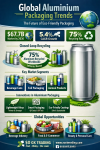
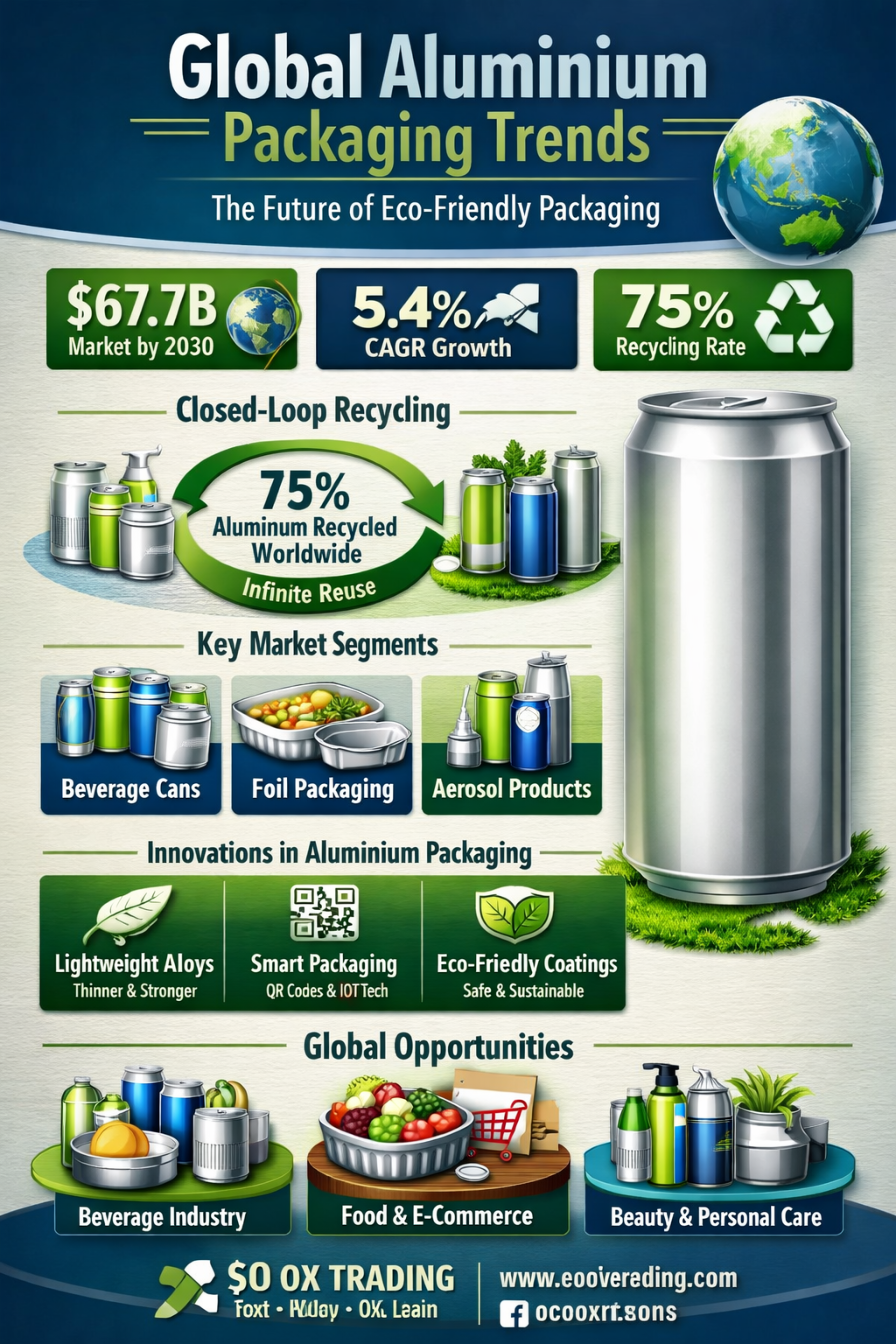
“The global aluminium packaging market is expected to grow from USD 52 billion in 2025 to USD 67.7 billion in 2030, with an average CAGR of 5.4%.”
♻️ Closed-Loop Recycling – A Model Under Global Spotlight
Thailand’s Aluminium Loop is a clear example of closed-loop recycling, where used cans can be endlessly remelted into new cans. Globally, aluminium boasts the highest recycling rate among all packaging materials (around 75%), and many countries are pushing to increase the share of PCR (Post-Consumer Recycled) content in FMCG products.
Diverse Design and Applications – From Thailand to the World
Premium Beverages: Thailand is seeing growth in canned water and cold brew coffee, while globally luxury beverage brands are launching limited-edition cans to attract Gen Z and millennials.
Food Delivery & E-Commerce: Aluminium foil trays are expanding in Thailand and worldwide, especially in China and Japan, which lead the Asia-Pacific market.
Health & Beauty: Aluminium tubes and aerosol cans are growing at an average of 6% annually worldwide, projected to reach USD 6.13 billion by 2030.
Innovations Driving the Global Market
Lightweighting: Global producers are developing new alloys, reducing aluminium thickness by 12–15% while maintaining strength.
Smart Packaging: IoT and smart QR codes are being integrated into cans for traceability.
Advanced Coating: Surface coatings now prevent bacteria and reduce VOCs, ensuring safety and eco-friendliness.
Market and Business Opportunities
Thailand (2026–2030): Food and beverages account for over 80% of the aluminium packaging market.
Global Market:
Beverage Cans: The largest segment, expected to reach USD 64.2 billion by 2030.
Foil Packaging: Growing with delivery services and modern retail, with over 51% in trays and containers.
Aerosol Cans: In beauty and pharmaceuticals, growing at 6% annually.
⚡ Global Challenges
Volatile energy prices and geopolitical risks make raw aluminium production costs unpredictable.
CBAM and carbon taxes are forcing exporters to adopt “low-carbon aluminium.”
Competition from other materials, such as tin-coated steel in canned food markets.
Conclusion
Aluminium is becoming the strategic environmental packaging chosen by global brands. It not only meets sustainability goals but also builds a premium image and adds value to products. Those who adapt early will gain a competitive edge in both Thai and global markets.
SO OK TRADING : Your Trusted Business Partner SO OK TRADING : FAST • SHARP • RELIABLE www.sooktrading.com Facebook : SO OK TRADING