“The Energy War the World Cannot Escape: Hormuz Strait Crisis 2026 — A Global Economic Gamble and the ISLAMABAD Conference Negotiations” April 17, 2026 | Article by SO OK TRADING
“The Hormuz Strait Crisis Shakes the Global Economy”
ISLAMABAD Conference Round 2: Negotiation Outcomes and Scenario Analysis SO OK TRADING – April 17, 2026
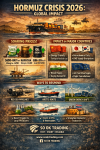
The Strait of Hormuz is the lifeline of global energy. More than one-fifth of the world’s oil and gas must pass through this route. But when the confrontation between the United States and Iran escalated into a blockade, this lifeline nearly stopped flowing—and the entire world trembled.
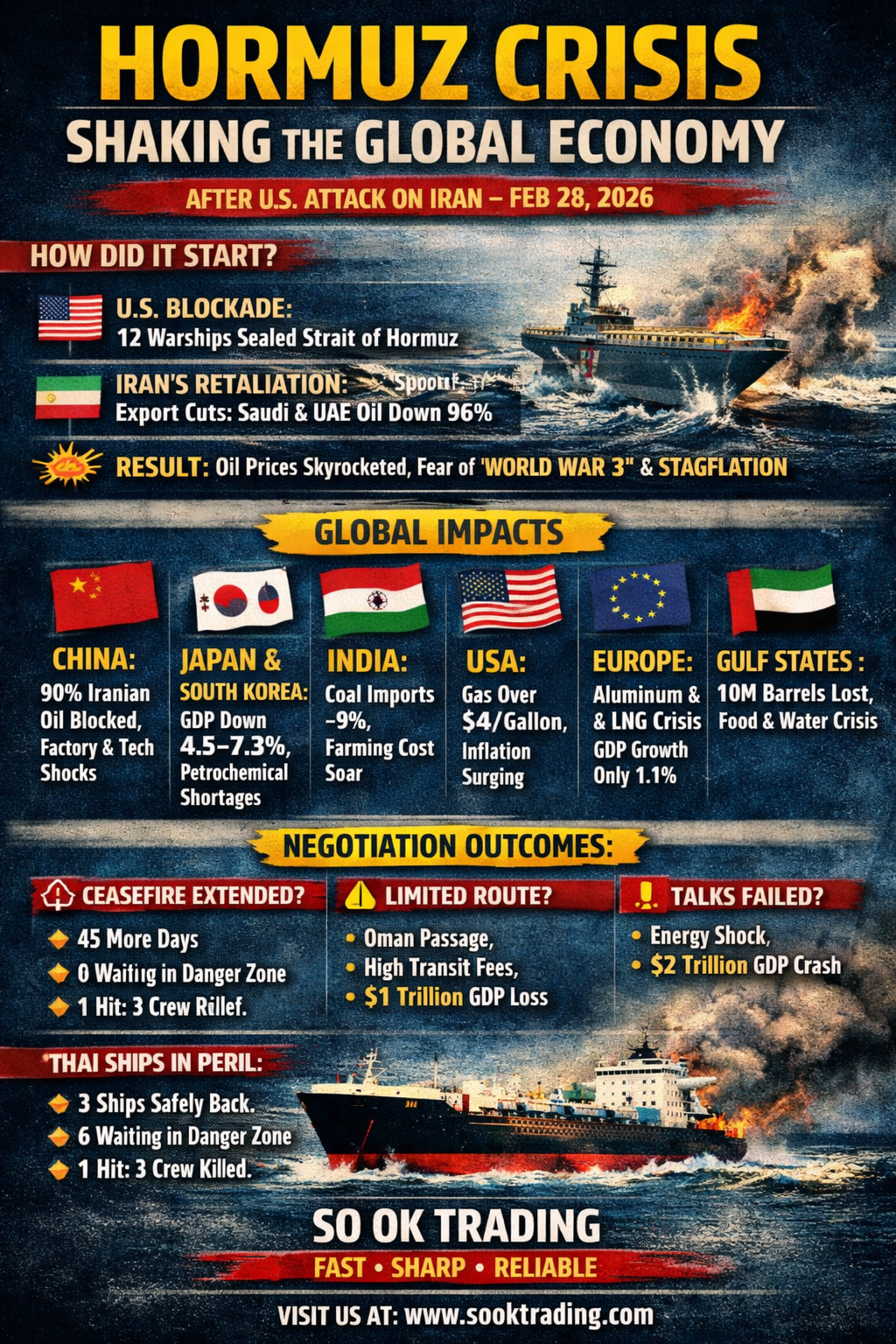
The Beginning of the Crisis: February 28, 2026 – U.S. Attack on Iran
U.S. Blockade: After peace talks collapsed, more than 12 U.S. Navy ships sealed off the strait.
Iran’s Response: Restricted navigation, cutting Saudi and UAE oil exports by over 96%. The world faces severe oil shortages.
Immediate Impact: Energy prices surged, and warnings grew louder that this could spiral into “World War III” and trigger global stagflation in 2026.
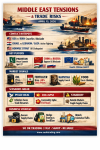
Global Impact
China: Hit hardest, as over 90% of Iran’s oil exports go to China. With the route blocked, China considers deploying warships to protect its shipments. Manufacturing and technology risk immediate disruption.
Japan & South Korea: Highly dependent on oil and LNG, also facing shortages of naphtha, a key raw material for plastics and packaging. Japan has already tapped into strategic reserves; if prolonged, GDP may shrink by 4.5–7.3%.
India: Coal imports down 9%. Rising costs from fertilizer and raw material shortages threaten agriculture and industry.
United States: Less dependent, but retail gasoline prices surged above $4 per gallon. Inflation and political approval ratings shaken.
Europe (EU): Shortages of aluminum and LNG hit automotive and construction industries. Eurozone GDP growth may fall to just 1.1%.
Saudi Arabia & UAE: Oil exports down more than 10 million barrels per day. Revenues collapse, while gas-fired power plants under attack trigger food and water crises.
Thailand: Oil reserves last about 60 days, but electricity prices may soar to 5.7 baht per unit. Nine Thai cargo ships stranded, mostly carrying fertilizer and agricultural goods. Agriculture and industry face steep cost increases.
Thai Ships in the Hormuz Blockade
Three ships escaped, including the Serifos, carrying 2 million barrels of crude oil back to Thailand.
Six to seven ships remain stranded, awaiting negotiations via Oman before the ceasefire deadline of April 22.
The Mayuree Naree was attacked, killing three crew members—becoming a symbol of Thailand’s trade vulnerability.
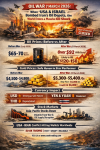
Future Scenarios and Global Economic Impact
Ceasefire Extension (High Probability)
Pakistan pushes for a 45-day extension.
If successful, global oil prices ease temporarily.
World GDP losses remain limited, but prolonged negotiations keep risks alive.
Limited Route Opening (Middle Ground Proposal)
Iran proposes rerouting ships through Oman’s waters, with high transit fees.
Trade continues partially, but logistics costs skyrocket.
If sustained for months, global GDP may shrink by about $1 trillion.
Negotiation Failure (Worst Case Scenario)
Without agreement, the world faces the largest energy disruption in history.
IMF and UNCTAD estimate global GDP losses of over $2 trillion if the strait remains closed for three months.
Freight rates surge from $300 to over $8,000 per container on some routes.
Global inflation risks rise, with economic slowdown across all regions.
This is not just a “Middle East crisis” but a global crisis—from gas station prices to factory production costs. Every nation must learn: Energy security = Economic and everyday security.
SO OK TRADING: Your Business Partner SO OK TRADING: FAST • SHARP • RELIABLE
VISIT US AT : WWW.SOOKTRADING.COM
FACEBOOK : SOOK TRADING