“Middle East Crisis Update – April 16, 2026: Oil • Fertilizer • Naphtha — War & Market Moves, When Energy and Raw Materials Become Economic Weapons, A War That Touches Every Breath of the World”
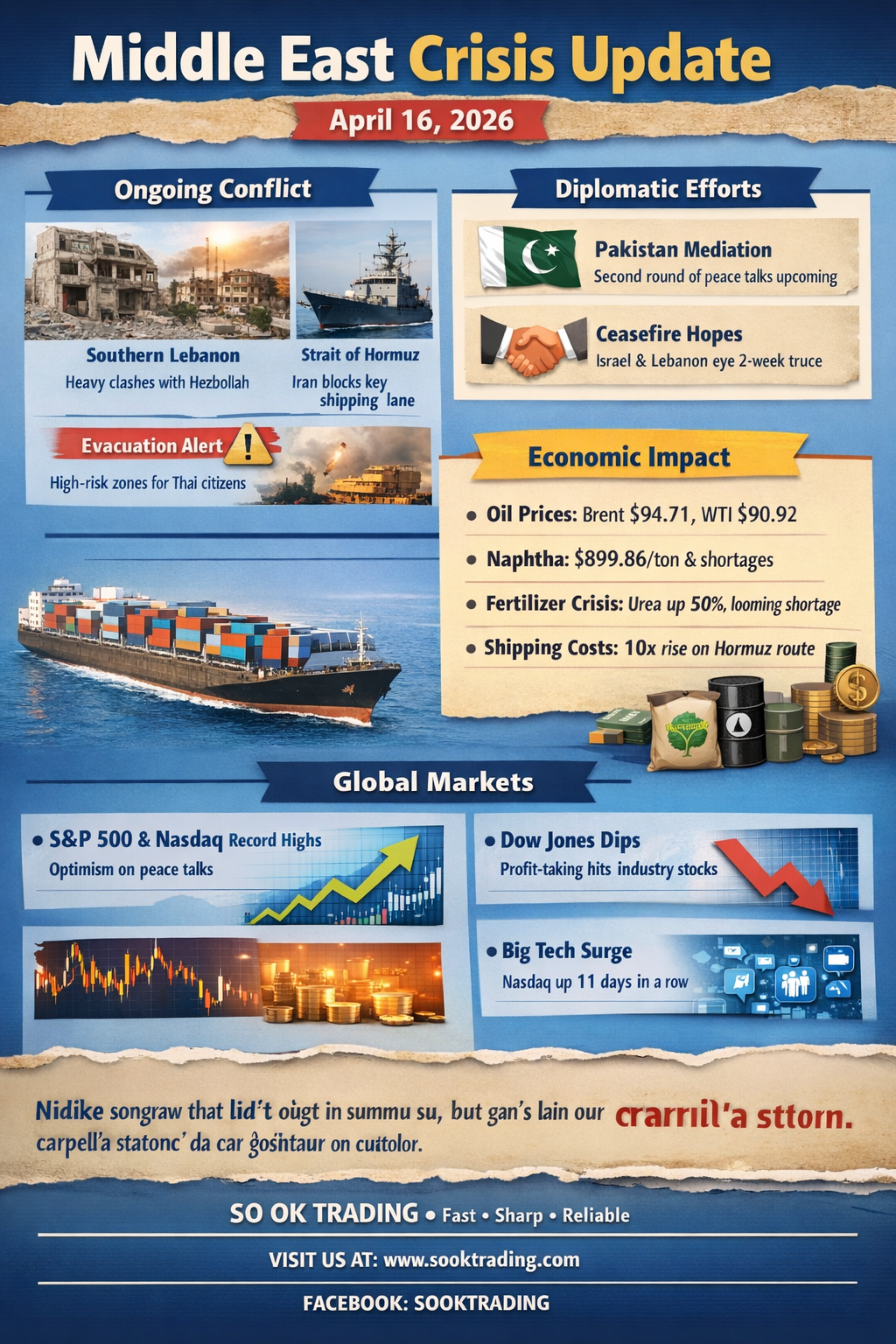
Middle East Crisis Update: War • Energy • Finance (April 16, 2026)
The situation in the Middle East as of April 16, 2026 remains intense and complex, with ongoing battles, fragile diplomacy, and economic impacts spreading worldwide. This article combines both dimensions — the battlefield and the global markets — to show clearly that this conflict is not confined to the region but is shaking the entire world, especially in terms of everyday living costs.
Tensions and Fighting
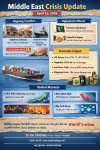
Southern Lebanon: Israel continues air and ground operations, encircling Hezbollah in Bint Jbeil. Reports confirm attacks on rescue teams, causing further casualties.
Gaza and Syria: Ongoing strikes have frozen relations between Israel and Arab states.
Strait of Hormuz: Iran has kept the vital shipping lane closed for over six weeks, threatening to sink U.S. warships if they intervene. The U.S. has deployed more than 12 naval vessels to blockade Iranian ports.
Evacuation Alerts: The Thai Embassy in Tehran has issued the highest-level warnings for high-risk areas such as Hormozgan Province and Bandar Abbas.
Global Diplomatic Efforts
Pakistan: Sent a high-level delegation to Tehran to mediate between the U.S. and Iran, with a second round of talks expected soon.
Ceasefire Signals: Reports suggest Israel and Lebanon may agree to a temporary two-week ceasefire, under pressure from U.S. President Donald Trump.
Global Economy and Finance
Thai Baht: Opened at 32.04 per U.S. dollar, pressured by capital outflows.
Currencies: The U.S. dollar and other currencies remain volatile due to Middle East instability, energy insecurity, and inflation concerns.
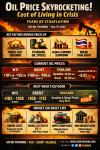
Crude Oil Prices: Brent at $94.71–95.14 per barrel; WTI at $90.92–91.52 per barrel.
Naphtha: Prices surged to $899.86 per ton, forcing some Asian petrochemical plants to cut production.
Urea Fertilizer: Prices jumped over 50%, with global and Thai shortages expected by mid-May — right at the start of planting season.
Shipping and Insurance Costs: War-risk insurance premiums have soared more than tenfold, making Hormuz transit prohibitively expensive.
Global Stock Markets
S&P 500 and Nasdaq: Hit record highs on optimism over peace talks and strong U.S. bank earnings.
Dow Jones: Closed slightly lower due to profit-taking in industrial stocks.
Big Tech: Nasdaq has risen for 11 consecutive days, the longest streak since 2021.
Country and Regional Impacts
United States: Benefits from shale oil but bears massive military costs.
China: Faces the most severe energy crisis due to heavy reliance on Hormuz.
Russia: Profits from high oil prices, becoming a key energy supplier to Asia.
Europe: Living costs surge, industries slow, stagflation risks loom.
Japan & South Korea: Energy and petrochemical costs spike, eroding competitiveness.
Singapore: Port operations disrupted, but higher freight rates boost revenue.
Thailand: Farmers face fertilizer shortages and soaring prices; retail fuel costs rise, pushing up transport expenses.
ASEAN: Indonesia and Malaysia benefit from high energy prices, while Thailand and Vietnam suffer food cost pressures.
Conclusion
This war is not confined to the battlefield — it is striking wallets and daily lives across the globe.
SO OK TRADING Your Business Partner FAST • SHARP • RELIABLE www.sooktrading.com Facebook: SOOKTRADING