“Double Crisis: Oil, Fertilizer, Plastics and the Future of the Global Economy — Strait of Hormuz, When the World’s Lifeline Trembles as Islamabad Peace Talks Collapse”
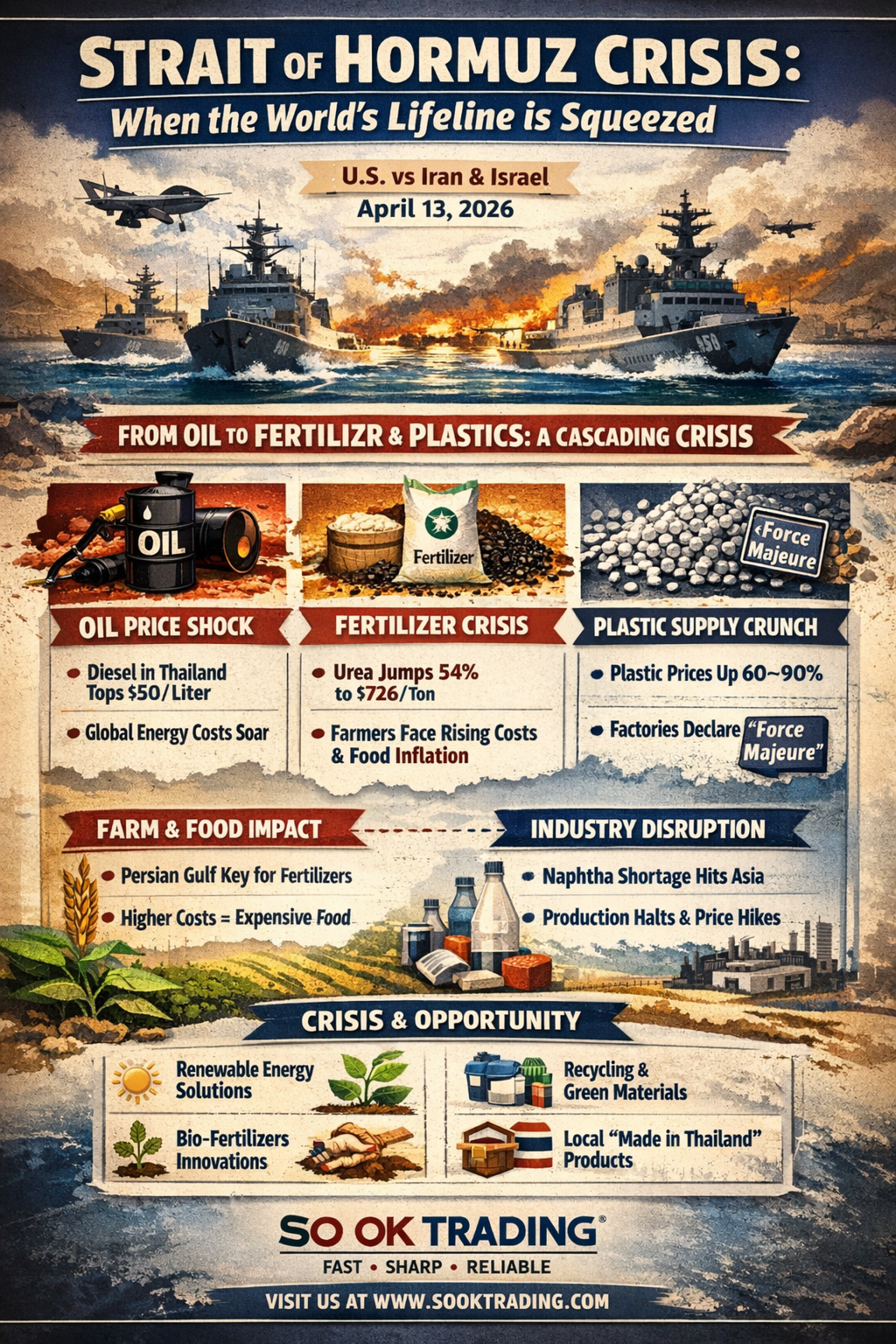
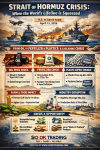
April 13, 2026: Strait of Hormuz — When the World’s Lifeline is Squeezed
The conflict between the United States, Israel, and Iran remains unresolved, and the peace talks in Islamabad have collapsed.
Latest Developments (April 13, 2026)
U.S. Full Naval Blockade: CENTCOM deploys warships and drones to control all vessels entering or leaving Iran.
Iran’s Strong Warning: IRGC declares that any intruding warship will be attacked immediately.
800+ Oil Tankers Stranded: Global trade grinds to a halt.
Brent Crude Surges: Prices jump to $100–$120 per barrel in a single day.
Underwater Mines Detected: Heightened risk of direct military confrontation.
The Strait of Hormuz is not just an oil passage — it is the “artery of global industry.” When squeezed, the entire world trembles.
Ripple Effects Across the Globe
⛽ Oil Shock
Diesel prices in Thailand are expected to surpass 50 THB/L.
Electricity costs rise as imported energy becomes more expensive.
Fertilizer Crisis
Urea prices surge 54% to $726/ton.
Thailand imports nearly all of its fertilizer → farmers face soaring costs, reduced yields, and food inflation.
Naphtha Crisis
Naphtha is the key feedstock for plastics.
PE/PP prices in Thailand spike 60–90% within two weeks.
Multiple factories across Asia declare Force Majeure due to raw material shortages.
Impact on Thailand
Diesel prices near 50 THB/L.
Electricity bills rise.
Farmers struggle with fertilizer costs, industries face raw material shortages, and consumers bear higher living expenses.
Marketing Perspective: Crisis as Opportunity
Energy Sector: Investment in renewables such as solar and biomass.
Agriculture: Bio-fertilizers and sustainable farming practices gain traction.
Plastics Industry: Recycling and alternative materials become new selling points.
Consumer Market: Rising costs create space for “Made in Thailand” products using local resources.
✨ Conclusion
The Strait of Hormuz crisis is not just about “expensive oil” — it is the disruption of global supply chains, from energy to fertilizer to plastics. Every business must adapt quickly, and within every challenge lies an opportunity for those ready to innovate.
SO OK TRADING Your trusted business partner in every global challenge FAST • SHARP • RELIABLE VISIT US AT WWW.SOOKTRADING.COM