Analyzing the Global Economy at a Turning Point: From War to Adaptation — Rising Energy Costs, Surging Production Expenses, Yet Business Opportunities Remain Article by SO OK TRADING March 31, 2026
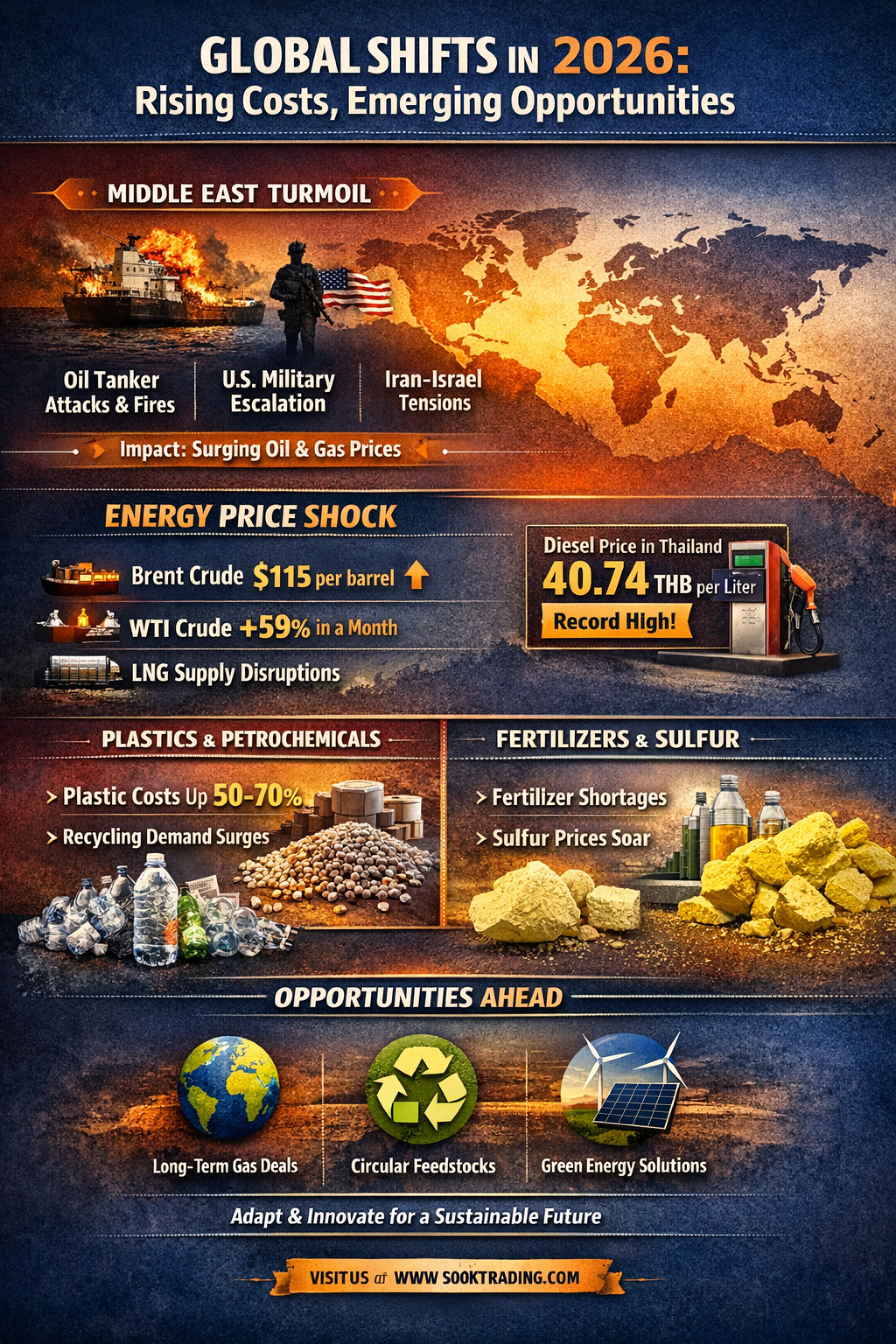
✨ Global Turning Point: Rising Energy Costs, Economic Volatility, Yet Business Opportunities Ahead ✨
March 31, 2026 – The Day the Middle East War Shook the Global Economy | Article by SO OK TRADING
⚔️ Middle East War: The Beginning of the Shock
The conflict between Iran–Israel–United States escalated sharply, directly impacting strategic routes in the Persian Gulf.
Oil tanker attacks and fires in the Strait of Hormuz
The U.S., under Donald Trump’s leadership, took a hardline stance, moving to control strategic areas to pressure Iran
Result: Oil and gas prices surged instantly, sending shockwaves across the global economy
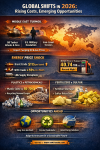
⚡ Energy: From War to the Highest Costs in Years
Brent Crude soared to $115 per barrel, up from $65–70
WTI Crude jumped 59% in just one month
LNG exports from Qatar restricted due to blocked shipping routes, forcing Europe and Asia into fierce competition for resources
Impact in Thailand: Diesel prices broke a historic record at 40.74 THB per liter. The government injected funds from the Oil Stabilization Fund, but global market forces could not be fully contained.
Plastics & Petrochemicals: Rising Costs, Recycling Boom
War-induced naphtha shortages forced many Asian factories to halt production
Virgin plastic resin prices surged 50–70%
Thailand declared plastic resin a controlled commodity to prevent hoarding
Recycling demand soared: Used PET bottles rose from 5–6 THB/kg to 8–9 THB/kg
Fertilizers & Sulfur: Global Food Security at Risk
Natural gas price spikes halted nitrogen fertilizer plants in Europe and Asia
Export restrictions from Iran and Russia created global fertilizer shortages
Sulfur supplies from refineries disappeared, pushing sulfuric acid prices higher → impacting phosphate fertilizers and EV battery mineral extraction
Impact in Thailand: Urea and standard fertilizer prices rose immediately, with farmers warned to brace for “expensive fertilizer” throughout Q2.
Global Economy: Volatility to Watch
Stock markets worldwide faced heavy sell-offs amid war concerns
IMF projected advanced economies to grow only 1.4–1.5% on average
Emerging markets still expected to grow around 4%
Gold remained a safe-haven asset but highly volatile, forecasted at $4,500–4,700/oz
Opportunities Amid Crisis
Major powers rushed into long-term gas contracts to secure resources
Petrochemical producers shifted toward Circular Feedstocks and low-carbon technologies
Thailand and Asia must accelerate recycling and renewable energy adoption to reduce dependence on global markets
✨ Conclusion
March 31, 2026 was not just the day of soaring energy prices — it was the day the Middle East war rewrote the equation of the global economy.
Businesses embracing recycling and sustainability will gain advantage
Investors seeking opportunities in crisis will find new pathways in Green Energy, Solar, and natural fuels
Consumers will increasingly shift toward eco-friendly, low-energy-cost products, accelerating Net Zero and Circular Economy adoption
SO OK TRADING stands ready as your trusted partner in navigating volatility and seizing opportunities.
SO OK TRADING: Your Business Partner
SO OK TRADING: FAST, SHARP, RELIABLE
VISIT US AT WWW.SOOKTRADING.COM
For inquiries on agricultural products (rice, fruits, sugar, canned food), green fuels (wood pellets), or industrial raw materials (aluminum, copper, steel, etc.), please contact us via the Give Inquiry section on our website or email us directly at SOOKTRADING@OUTLOOK.COM.