“Solar Cell Revolution: Transforming Energy, Building a Sustainable Future for Business and Life” Article by SO OK TRADING | March 30, 2026
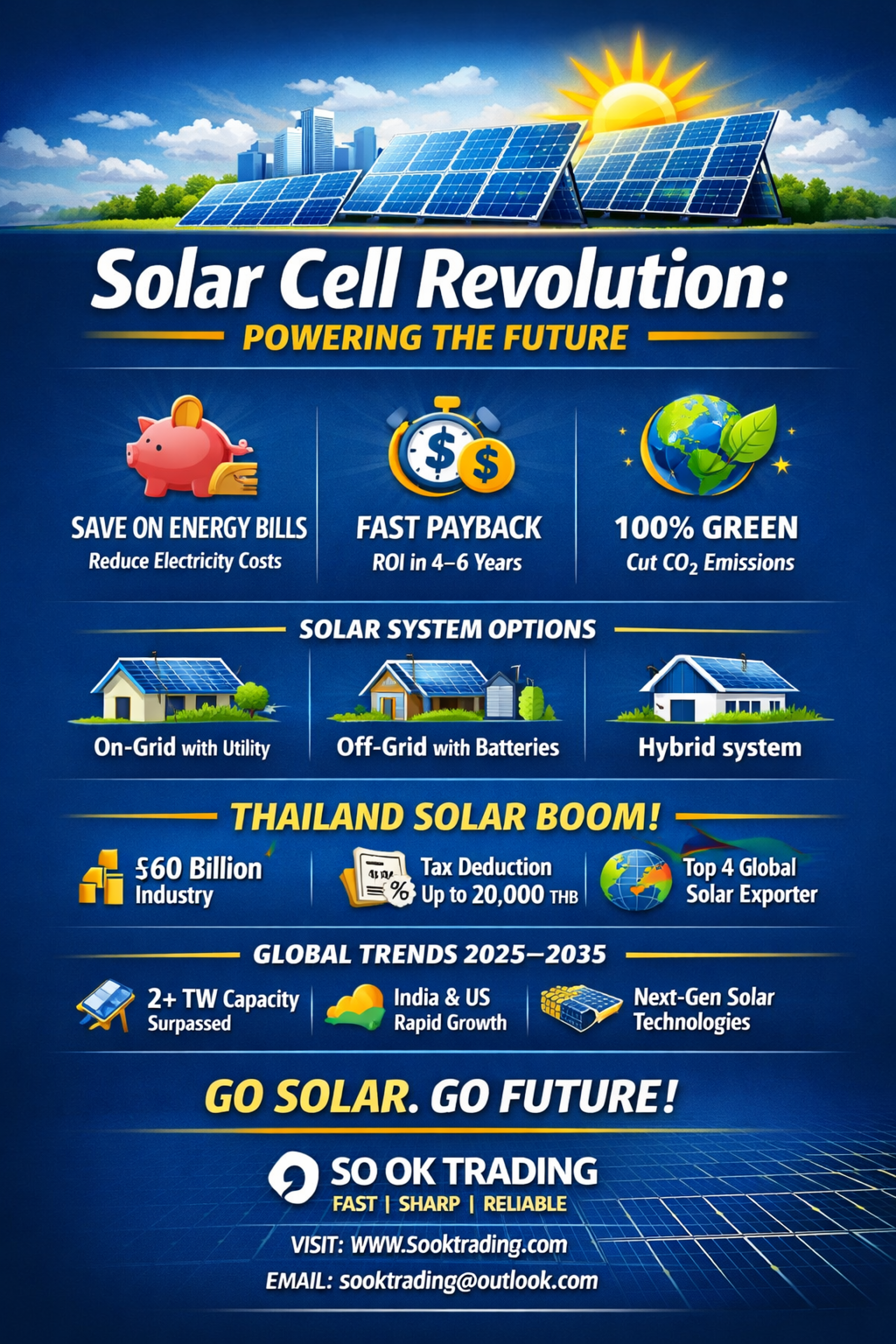
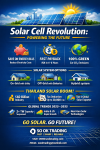
Solar Cell Revolution: Clean Energy Transforming Business and Everyday Life
Electricity from sunlight truly reduces costs for homes and factories
Why Solar Cells Are a “Game Changer”
Solar cells are not just a technology for generating electricity—they are an investment in the future.
They deliver instant savings on electricity bills, energy security, and environmental protection all at once.
Lower bills instantly: See results in the very next month’s bill, especially for households or businesses with high daytime usage
Fast payback: Average return on investment in just 4–6 years
100% Green: Completely eliminates CO₂ emissions
Solar System Types You Should Know
On-Grid: Connected to the utility grid, free electricity during the day, switch to grid power at night
Off-Grid: Independent system with batteries, ideal for remote areas
Hybrid: Combines both, with backup batteries plus grid connection
Popular Panel Types
Monocrystalline: Highest efficiency, long lifespan, best for those seeking premium quality
Polycrystalline: More affordable, suitable for hot climates, requires more installation space
Thailand’s Solar Market
Market value over ฿60 billion
Solar Rooftop is the fastest-growing segment (CAGR 10.25%)
2025 Tax Incentives: Up to ฿200,000 deduction for systems ≤10kW
New regulation: Rooftop installations no longer require building modification permits
Key players: Gulf Energy, B.Grimm, BCPG
Popular brands: Jinko, Trina, LONGi
Thailand ranks among the Top 4 solar panel exporters worldwide, with the U.S. as a major market
Global Solar Outlook (2025–2026)
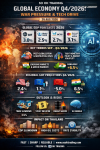
Global cumulative capacity surpasses 2TW
China: Largest installer, but slowing due to overcapacity
India: Targeting 10 million rooftop solar homes
Japan: Developing lightweight Perovskite technology
Singapore: Achieved 2GWp target ahead of schedule
Australia: World leader in rooftop solar per household
USA: Growth driven by the IRA Act
Africa: Huge potential, but infrastructure challenges remain
Impact of Middle East Conflict on Solar Industry
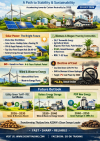
Demand surge: Rising oil and gas prices push consumers toward solar
Supply chain disruption: Higher transport costs, aluminum shortages, inflation raising project costs
Thailand’s response: Government boosts tax incentives, homes and factories highlight “clean energy”
Market Outlook to 2035
Global CAGR 16.8–17.4%
Market value to exceed USD 800 billion
Next-gen technologies (Perovskite, Bifacial) CAGR 17.6–21%
Asia-Pacific to dominate with 48–60% market share
Growth drivers: falling costs, Net Zero policies, integration of energy storage
✨ SOLAR CELL FUTURE
Solar cells are the energy of the future. They not only reduce electricity bills but also deliver energy security and massive business opportunities. For Thailand, this is a golden chance to upgrade homes and businesses with lower costs, sustainability, and resilience.
SO OK TRADING: Your Business Partner
FAST | SHARP | RELIABLE
Visit: www.sooktrading.com
Email: sooktrading@outlook.com