Share

“War Shakes the World, Currencies Tremble: Thai Baht Weakens, Dollar Strengthens, and the Global Financial Landscape — March 2026” Article by SO OK TRADING | March 17, 2026
Last updated: 17 Mar 2026
2380 Views

Thai Baht and Major Global Currencies — March 2026: When War Shakes the World, Global Finance Trembles


Article by SO OK TRADING | March 17, 2026 

Thai Baht: From Stability to Shakiness

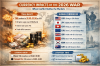
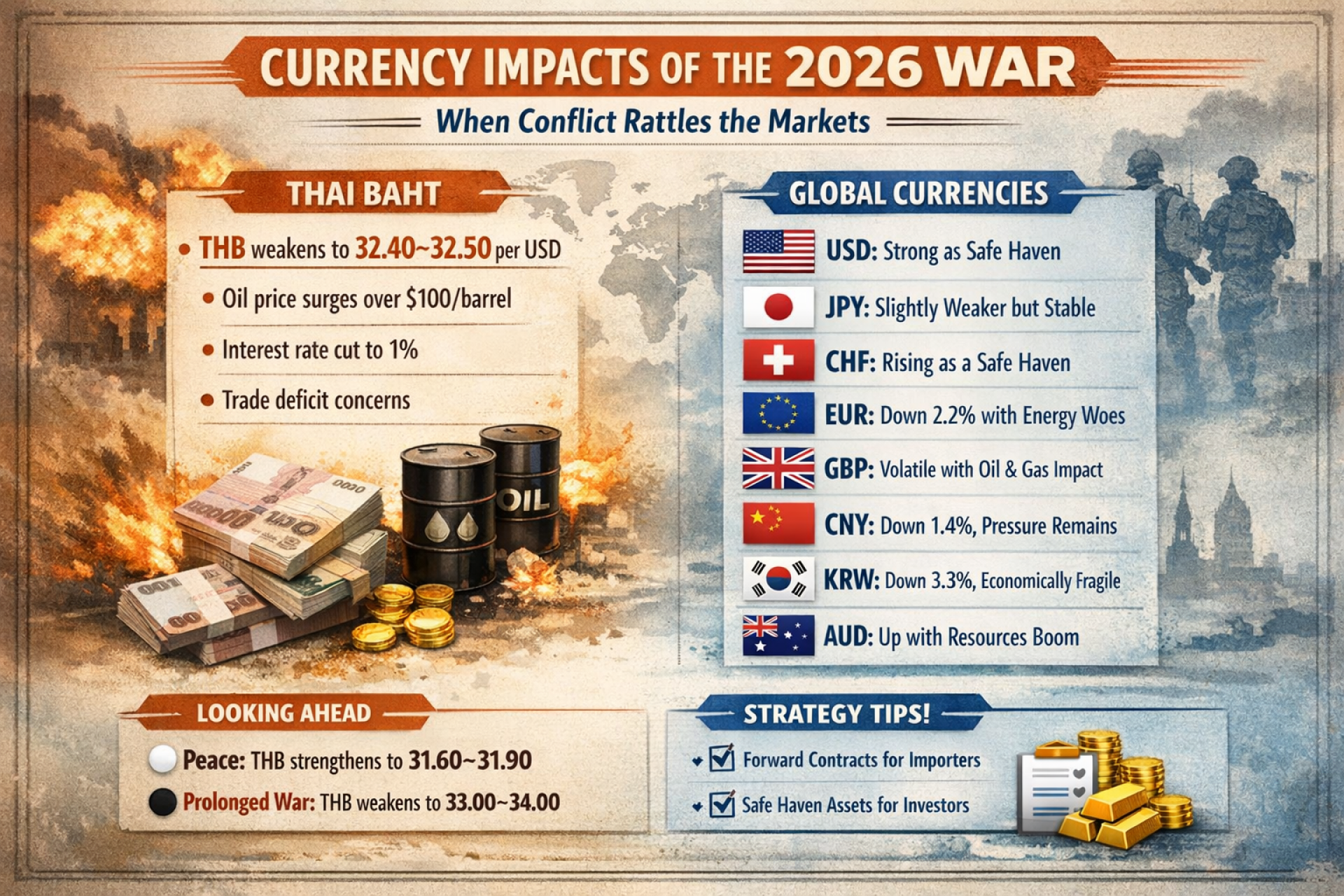
In March 2026, the Thai Baht weakened beyond 32.00 per USD, trading within the 32.20–32.50 range throughout mid-month. The main driver was global crude oil prices surging past $100 per barrel, pushing Thailand — a net energy importer — into a current account deficit. At the same time, the Bank of Thailand cut interest rates to 1.00% to stimulate the economy, which further pressured the currency.
As of March 17, 2026: the Baht trades at 32.40–32.50 per USD.


Global Currencies: Impact of the Israel–US–Iran War (since February 28, 2026)

US Dollar (USD)
Strengthened significantly as investors flocked to safe-haven assets. Capital inflows drove the Dollar Index (DXY) close to 100, marking its strongest level in half a year.

Japanese Yen (JPY)
Slightly weaker against the dollar but still supported as a safe-haven currency. Many investors paired yen holdings with gold to hedge risks.

Swiss Franc (CHF)
Strengthened naturally as a trusted safe-haven during geopolitical uncertainty.

Euro (EUR)
Weakened by about 2.2% as Europe continued to face an energy crisis, weighing on industry and the broader economy.

British Pound (GBP)
Volatile, moving with gas and oil prices. Currently flat to slightly weaker.

Chinese Yuan (CNY)
Down about 1.4%. Despite deflationary pressures, China’s large reserves and diverse energy sources helped the yuan hold up better than the baht.

South Korean Won (KRW)
Dropped sharply by 3.3% due to vulnerability to oil prices and additional pressure from US tariff measures.

Singapore Dollar (SGD)
Down slightly by 0.7%. Despite Singapore’s stable economy, regional capital outflows limited its resilience against the dollar.

Australian Dollar (AUD)
One of the few currencies to strengthen, benefiting from Australia’s role as a resource exporter.

Indian Rupee (INR)
Down about 1.4% as rising energy costs continued to weigh on India’s economy.


Strategic Outlook for Thai Businesses

Importers: At 32.40 per USD, it is advisable to begin Forward Contracts to hedge risks.
Investors: Increase allocations to safe-haven assets such as gold, and diversify into markets benefiting from higher energy prices.
Exporters: Gain from a weaker baht but must manage rising energy costs.
 

Looking Ahead to Q2 2026

Peace Scenario: The baht could strengthen back to 31.60–31.90, supported by Fed rate cuts and tourism recovery.
Prolonged War Scenario: The baht may weaken beyond 33.00–34.00, with risks of stagflation — recession coupled with high inflation.
 

Conclusion

The Thai Baht in March 2026 reflects a world of uncertainty. Every movement in oil prices and war dynamics ripples directly into the wallets of Thai people and businesses. Preparing strategies — whether through hedging or portfolio adjustments — is the key to navigating this volatility with resilience.


SO OK TRADING: Your Business Partner
SO OK TRADING: FAST SHARP RELIABLE
Visit us at: www.sooktrading.com


Would you like me to also craft a shorter


Related Content
Global Plastic Crisis 2026: Rising Costs as War and Naphtha Shake the Industry
Global Plastic Crisis 2026: How War and Naphtha Shook the Industry Article by SO OK TRADING | April 5, 2026 Plastic — once considered a basic raw material of everyday life — has now become a “scarce commodity” shaking the world in April 2026. The ongoing Middle East conflict and the global naphtha shortage have delivered a heavy blow to the petrochemical industry, driving plastic prices sharply upward and impacting every sector, from food packaging to automotive components. This article explores: The roots of the crisis — from the Hormuz Strait blockade to factory shutdowns in the Middle East The impact on prices and costs — with plastic prices soaring over 37% in just one month The situation in Thailand and worldwide — as industries face severe shortages Adaptation strategies — with governments and businesses racing to implement solutions This is not just about “rising costs” — it is about “shortages” that are reshaping global industry in unprecedented ways. SO OK TRADING Your Trusted Business Partner FAST • SHARP • RELIABLE
5 Apr 2026
“U.S.–Iran Ceasefire Deal: Oil Falls, Gold Surges — The World Watches a Major Diplomatic Game as Conflict Moves to the Negotiating Table, Reshaping Geopolitics and Energy Economics — SO OK TRADING Insight”: May 26, 2026
**“U.S.–Iran Ceasefire Deal: Oil Drops, Gold Fluctuates — The World Watches a Major Diplomatic Game Peace Talks, May 25–26, 2026 | Oil Down, Gold Volatile | A Glimmer of Hope for Global Peace The Middle East is transitioning from ‘war’ to ‘negotiation’ — the U.S. and Iran are close to reaching a 60‑day ceasefire MOU, sending oil prices tumbling while gold surges amid uncertainty. Global markets are beginning to see the light of peace. SO OK TRADING FAST • SHARP • RELIABLE
26 May 2026
“Steel Price War 2026: Asia Falls, the West Rises — Thai Buyers Gain the Edge While Producers Battle with New Strategies, Exploring Global Trends and Green Steel Opportunities”
“Steel Price War 2026: Asia Falls, the West Rises — Thai Buyers Gain the Edge While Producers Struggle to Survive, Analyzing Global Trends and Green Steel Opportunities” The global steel market has entered one of the fiercest “two‑world battles” of the year: Asia: Oversupply and China’s slowdown have pushed iron ore prices down to around $101–102 per ton, dragging rebar, hot‑rolled coil, and wire rod prices lower across the region. The West: The US and EU imposed import tariffs of up to 50%, while energy and coking coal costs surged by 16%, driving steel prices upward despite weak demand. Thailand’s situation: Buyers benefit: Cheaper imports from China and Vietnam have pulled retail prices down by more than 8%. Producers under pressure: Electricity and shipping costs have soared by over 50%, squeezing margins and forcing reliance on state measures such as Anti‑Dumping and CBAM. Tin Plate packaging: Sales dropped by -1.2% to -4.5%, but raw material costs fell 9–10%. With a recycling rate of 92%, Tin Plate remains aligned with ESG and Green Steel trends.
5 Jun 2026
This website uses cookies for best user experience, to find out more you can go to our Privacy Policy and Cookies Policy
Powered By MakeWebEasy Logo MakeWebEasy