War Drives Metal Prices Skyrocketing! Aluminum 2026 – A Strategic Metal Breaking the Ceiling as Energy Shortages, the Closure of the Strait of Hormuz, and Global Raw Material Battles Define the Year: An Article by SO OK TRADING
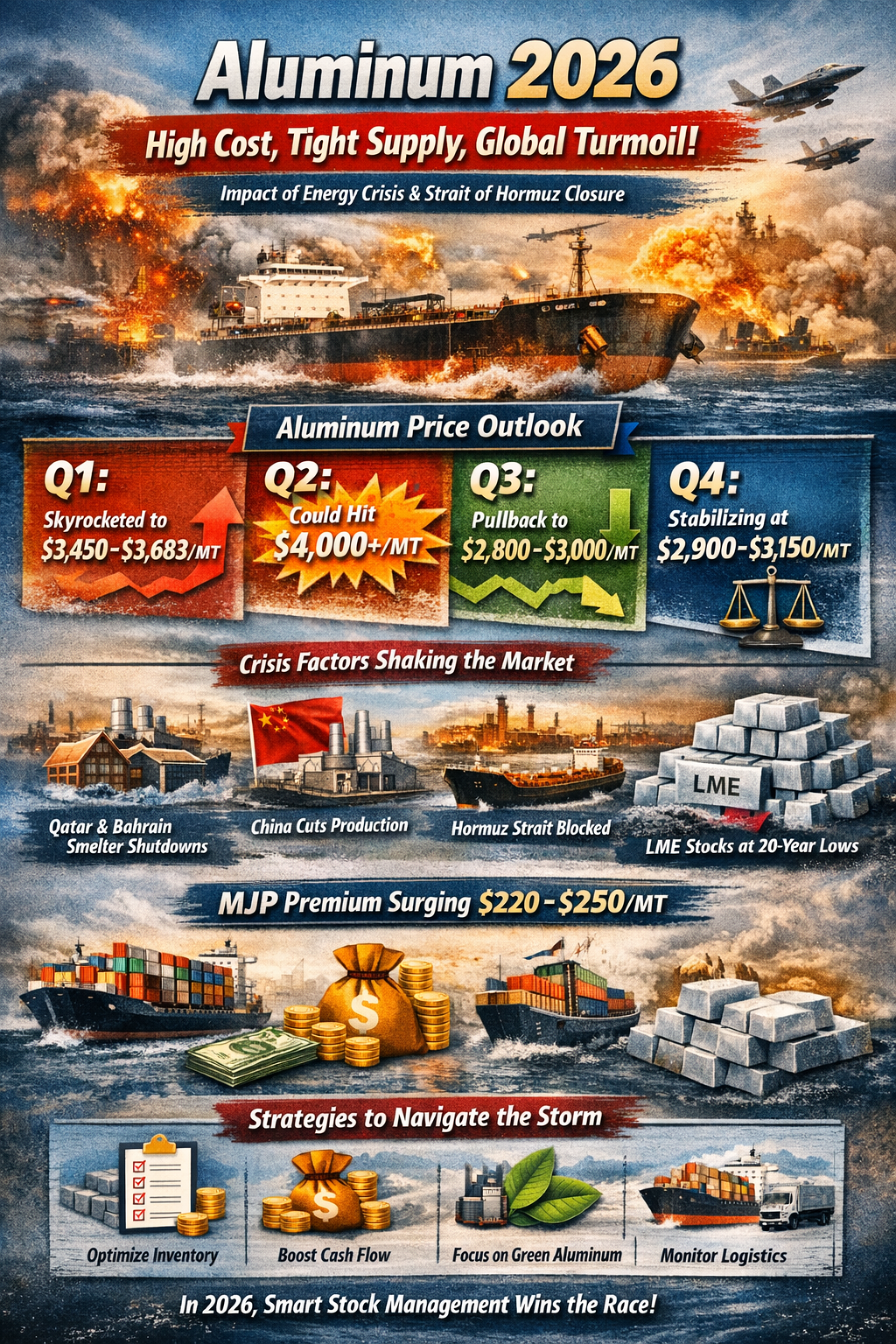
Aluminum 2026 – Hot Metal, High Cost, Scarce Resource
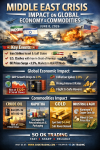
Impact of the Energy Crisis from War and the Closure of the Strait of Hormuz in the Middle East
This year, the global metals market is facing the most severe “supply crunch crisis” in years. The war in the Middle East has become a key driver, pushing prices sharply higher and creating pressure across all industries that rely on aluminum as a core raw material.
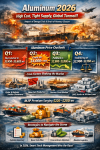
Aluminum Price Situation by Quarter & Future Outlook
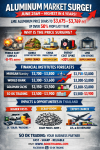
2025: Aluminum prices were relatively stable, with the annual average on the London Metal Exchange (LME) at 2,750 USD/MT. Prices only began to climb toward 3,000 USD/MT in Q4.
Q1 (Jan–Mar 2026):
Prices broke through key resistance, rising from 3,150 USD/MT in January to 3,450–3,683 USD/MT in March — the highest in four years.
Smelters Qatalum (Qatar) and Alba (Bahrain) halted production due to energy shortages and war.
China, the world’s largest producer, has reached its production ceiling of 45 million tons/year, unable to expand further.
LME stocks fell to just 375,525 tons, the lowest since September 2025, reflecting tight supply and urgent buying.
Q2 (Apr–Jun 2026):
The market remains extremely tight, with prices possibly testing 4,000 USD/MT if conflict drags on.
Demand from EVs and renewable energy sectors remains strong.
Physical premiums in Europe and North America surged as buyers worried about delivery.
Middle East production stoppages continue, reinforcing structural supply shortages.
Q3 (Jul–Sep 2026):
Prices may correct to 2,800–3,000 USD/MT if war eases or Indonesia adds new supply.
Stockpiling in Japan and Asia may taper off, reducing buying pressure.
If war persists, prices could remain elevated above average.
Q4 (Oct–Dec 2026):
Prices likely stabilize in the 2,900–3,150 USD/MT range, still 10–20% higher than 2025 averages.
The global aluminum market is expected to run a deficit of 1.5–2 million tons for the year.
Europe’s CBAM carbon tax raises import costs, pressuring non–Green Metal producers.
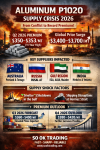
Mid-west Japan Premium (MJP) – Premiums Rising Alongside Prices
Q1: Settled at 195 USD/MT, up 127% from Q4/2025.
Q2: Producers offered 220–250 USD/MT.
H2: Expected to move within 85–200 USD/MT if Indonesia adds supply.
Full-year average projected at 180–230 USD/MT, the highest in years.
War Impact – Aluminum Becomes an Economic Weapon
Middle East smelters halted → Supply vanished instantly.
China cannot expand production → Structural global shortage.
Hormuz Strait closure → Logistics costs surged.
Europe & US stockpiling → Asia forced to compete at higher premiums.
Strategies for Managing Aluminum in a Volatile, High-Cost Market
Accurate stock management – Buy during price dips to hedge risk.
Strengthen cash flow – Prepare for high and volatile costs.
Focus on Green Metal – CBAM tax and EV demand push low-carbon aluminum prices higher.
Monitor logistics risks – Global shipping routes remain vulnerable.
✨ Conclusion:
Following the USA–Iran war in the Middle East, 2026 is the year aluminum becomes “hot metal, high cost, scarce resource.”
Those with sharp foresight and strong inventory management will emerge as winners in the fierce competition of the global metals market.