Thai Corn — The Power Behind Global Food and Industry By SO OK TRADING
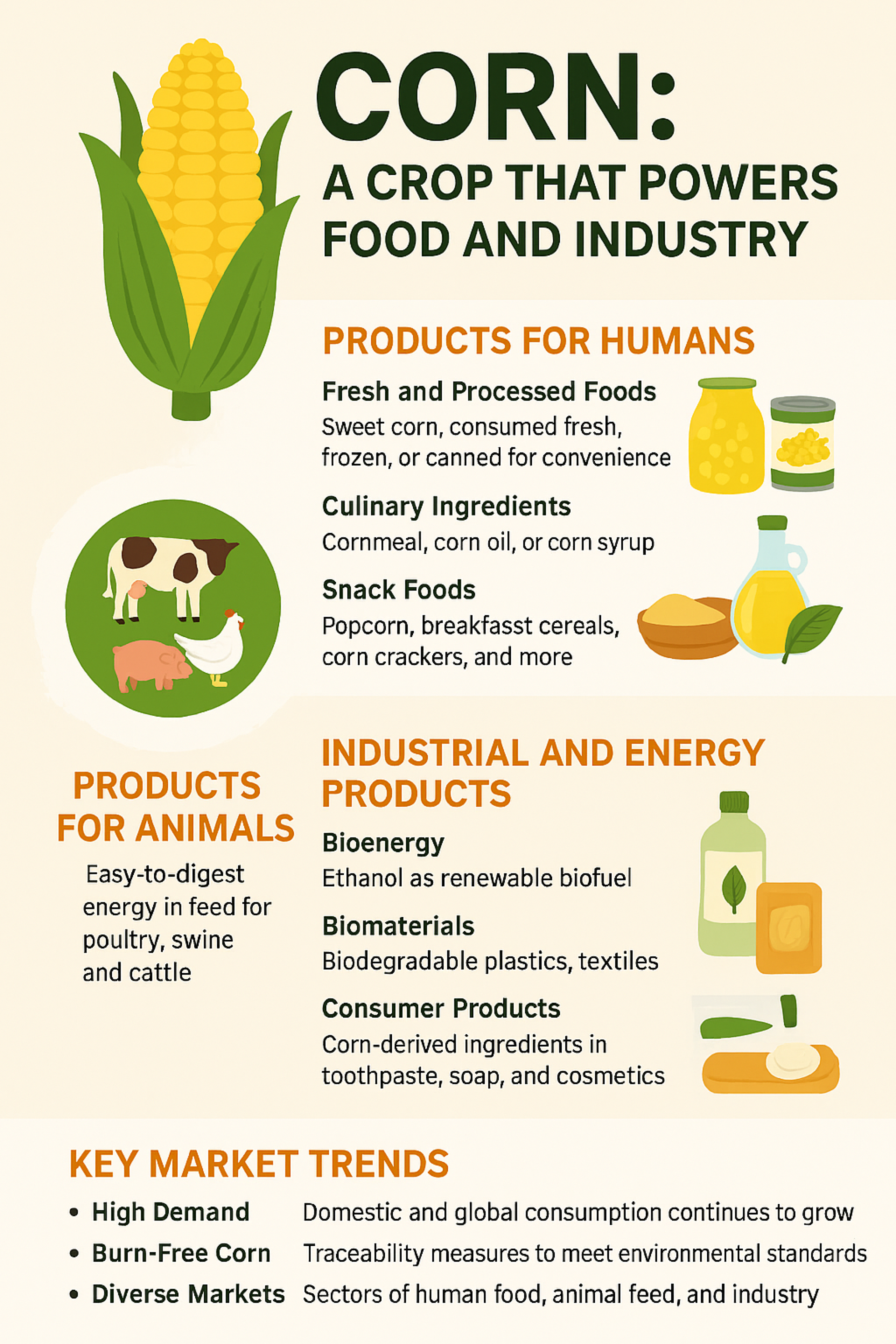
Corn: The Miracle Crop Driving Global Food and Industry
Corn is more than just a food crop—it is a “power of growth” that connects the dining table with factories and clean energy. For producers and exporters, corn is a valuable raw material and a gateway to vast market opportunities.
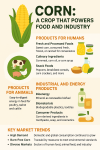
Products for Humans
Fresh & Processed Foods: Sweet corn—fresh, frozen, or canned—delivers convenience and quality.
Culinary Ingredients: Corn starch, corn oil, and corn syrup are essential to the food and beverage industry.
Snacks: Popcorn, breakfast cereals, and corn crackers bring joy to everyday life.
Products for Animals
Animal Feed: Corn is the primary energy source, easily digestible and highly productive, ideal for poultry, swine, and cattle.
Popular Varieties: CP and NK hybrids are widely cultivated in Thailand and neighboring countries for their high yield and resilience.
Industrial & Energy Products
Bioenergy: Corn is used to produce ethanol, reducing reliance on fossil fuels and supporting a cleaner planet.
Biomaterials: Biodegradable plastics and textiles from corn meet the demand for sustainable living.
Consumer Goods: Corn-derived extracts are found in everyday products like soap, toothpaste, and cosmetics.
Market Trends in 2026
Thailand: Domestic demand exceeds production, requiring imports from Myanmar, Laos, and Cambodia. From 2026, strict traceability rules ensure “burn-free corn,” reducing cross-border PM2.5 and enhancing Thailand’s trade image.
China: Massive demand for animal feed and bio-industries such as ethanol and bioplastics, aligned with carbon reduction policies.
Japan: Focuses on high-quality, Non-GMO corn for premium livestock feed and human food products like cereals and frozen sweet corn from Thailand.
Middle East: Rising demand for animal feed, alongside booming markets for popcorn and ready-to-eat foods driven by middle-class growth and tourism.
Corn by SO OK TRADING
✅ High Quality: Carefully selected seeds and harvests that meet international standards
✅ Burn-Free: Compliant with Thailand’s new environmental measures and global sustainability requirements
✅ Diverse Markets: Covering human food, animal feed, and industrial applications
✅ Global Connections: Exporting to major markets including China, Japan, and the Middle East
✨ Corn represents endless opportunities—in food, energy, and sustainability. SO OK TRADING is ready to lead in delivering premium Thai corn to the global market, building food security and a sustainable future.