Teak & Thai Mixed Hardwood, Quality Beyond Time
Last updated: 7 Jan 2026
3684 Views
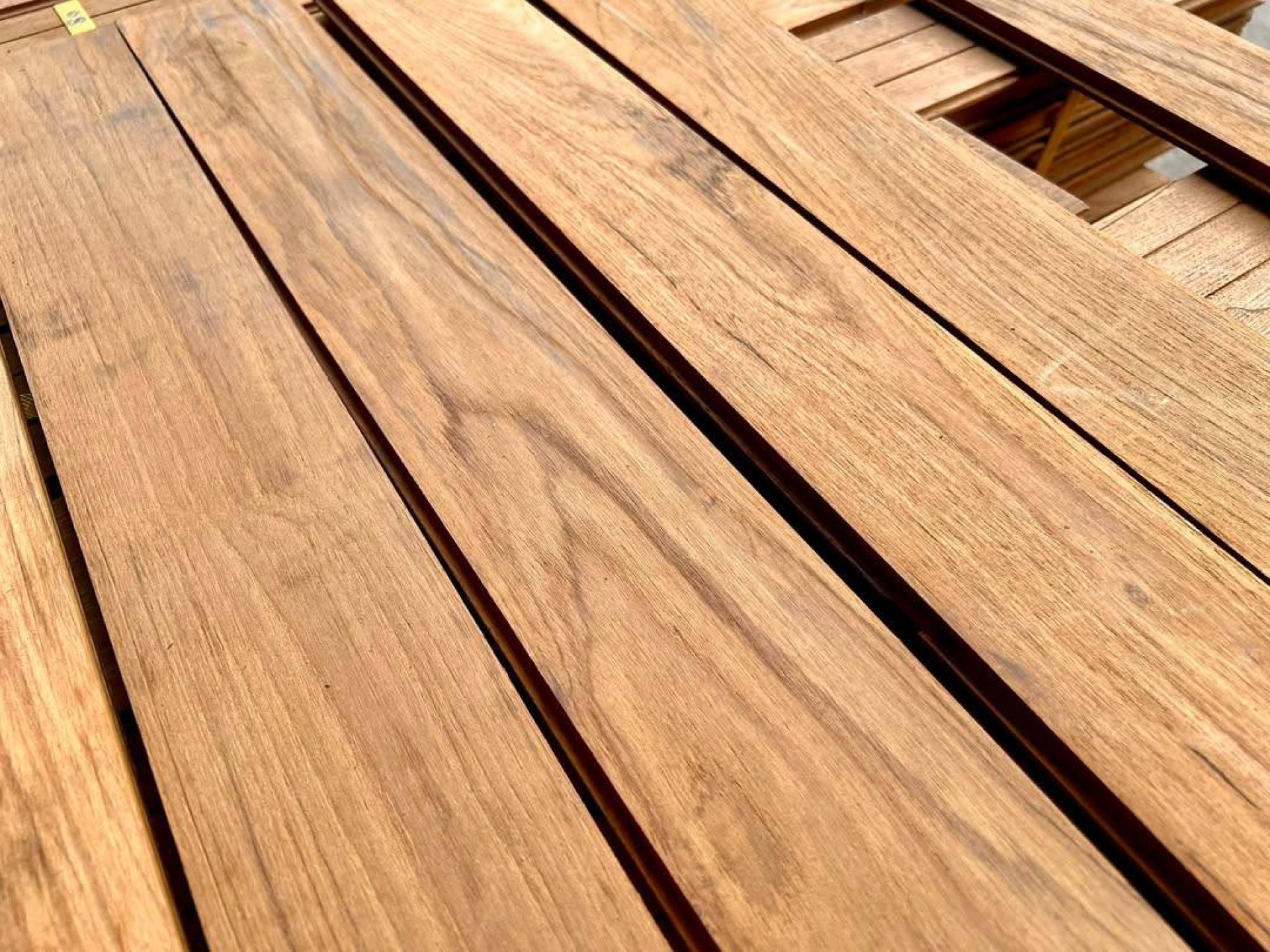
Teak (Tectona grandis) vs Thai Mixed Hardwood
Teak (Teak Wood)
Teak is high-priced, highly durable against termites and weather, and ideal for luxury furniture and built-in designs that showcase natural wood grain.
Properties: Naturally beautiful color, natural oil content (resistant to termites), extremely long lifespan, premium feel.
Applications: High-end furniture, built-in furniture, doors, windows, flooring, premium interior decoration.
Furniture Products: Teak dining tables, teak chairs, teak wardrobes, built-in beds, luxury home furniture sets.
Thai Mixed Hardwood (Mixed Deciduous Hardwood)
Thai mixed hardwood consists of various deciduous species (such as teak, makha, daeng, pradu, chingchan). It is more affordable, reasonably durable, and widely used in construction, furniture frameworks, and transport pallets. When kiln-dried and preservative-treated, it becomes more resistant to insects, fungi, and moisture, extending its service life.
Properties: Strong and durable, affordable, easy to source, some lighter-colored species suitable for painting.
Applications:
Construction: House structures, ceiling frames, light door/window frames, concrete formwork, scaffolding.
Furniture: Internal frameworks (beds, sofas), jointed wood for built-ins, general furniture not focused on wood grain.
Transport: Wooden pallets for product loading.
Furniture Products: Work desks, shelving units, office furniture, budget-friendly household furniture, structural furniture emphasizing strength and cost-effectiveness.
Decorative Applications
Teak: Premium appeal, distinctive grain, high durability. Used for luxury furniture, built-ins, flooring, staircases, carvings.
Mixed Hardwood: Combination of species (tabek, daeng, makha, neem, etc.), strength varies by type, cost-effective for large-scale use.
Choice Guide:
For beauty and visible grain → Teak
For cost-effective structural use → Mixed Hardwood
Market Situation
Teak: Once a major export, but natural teak forests declined due to overuse. Still in high demand for furniture and built-ins thanks to its beauty, termite resistance, and durability. Plantation teak is now the main supply source.
Mixed Hardwood: The cheapest option, widely used for cost-saving construction. Competes with alternative woods such as neem, rubberwood, and pine.
Trend:
Thailand is balancing wood demand with forest conservation. Plantation teak and alternative mixed hardwood species (e.g., neem, rubberwood) are key strategies to meet market needs sustainably.
Summary
Premium Quality: Teak > Mixed Hardwood
Price: Mixed Hardwood (cheaper) < Teak
Main Uses:
Teak → Luxury furniture, built-ins, premium interiors
Mixed Hardwood → General furniture, construction, office furniture
Contact SOOK Trading
If you are interested in teak or Thai mixed hardwood furniture products, please contact SOOK Trading directly for pricing and product details.
Teak (Teak Wood)
Teak is high-priced, highly durable against termites and weather, and ideal for luxury furniture and built-in designs that showcase natural wood grain.
Properties: Naturally beautiful color, natural oil content (resistant to termites), extremely long lifespan, premium feel.
Applications: High-end furniture, built-in furniture, doors, windows, flooring, premium interior decoration.
Furniture Products: Teak dining tables, teak chairs, teak wardrobes, built-in beds, luxury home furniture sets.
Thai Mixed Hardwood (Mixed Deciduous Hardwood)
Thai mixed hardwood consists of various deciduous species (such as teak, makha, daeng, pradu, chingchan). It is more affordable, reasonably durable, and widely used in construction, furniture frameworks, and transport pallets. When kiln-dried and preservative-treated, it becomes more resistant to insects, fungi, and moisture, extending its service life.
Properties: Strong and durable, affordable, easy to source, some lighter-colored species suitable for painting.
Applications:
Construction: House structures, ceiling frames, light door/window frames, concrete formwork, scaffolding.
Furniture: Internal frameworks (beds, sofas), jointed wood for built-ins, general furniture not focused on wood grain.
Transport: Wooden pallets for product loading.
Furniture Products: Work desks, shelving units, office furniture, budget-friendly household furniture, structural furniture emphasizing strength and cost-effectiveness.
Decorative Applications
Teak: Premium appeal, distinctive grain, high durability. Used for luxury furniture, built-ins, flooring, staircases, carvings.
Mixed Hardwood: Combination of species (tabek, daeng, makha, neem, etc.), strength varies by type, cost-effective for large-scale use.
Choice Guide:
For beauty and visible grain → Teak
For cost-effective structural use → Mixed Hardwood
Market Situation
Teak: Once a major export, but natural teak forests declined due to overuse. Still in high demand for furniture and built-ins thanks to its beauty, termite resistance, and durability. Plantation teak is now the main supply source.
Mixed Hardwood: The cheapest option, widely used for cost-saving construction. Competes with alternative woods such as neem, rubberwood, and pine.
Trend:
Thailand is balancing wood demand with forest conservation. Plantation teak and alternative mixed hardwood species (e.g., neem, rubberwood) are key strategies to meet market needs sustainably.
Summary
Premium Quality: Teak > Mixed Hardwood
Price: Mixed Hardwood (cheaper) < Teak
Main Uses:
Teak → Luxury furniture, built-ins, premium interiors
Mixed Hardwood → General furniture, construction, office furniture
Contact SOOK Trading
If you are interested in teak or Thai mixed hardwood furniture products, please contact SOOK Trading directly for pricing and product details.


Related Content

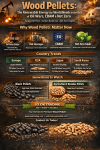
Impact of the 2026 Gulf War: As Oil Prices Surge, CBAM Takes Effect, and the World Accelerates Toward Net Zero
With fossil fuels becoming a global risk, Wood Pellets (biomass fuel) are emerging as the new answer for industries worldwide.
✅ Oil prices soar to $125 → Businesses turn to renewable fuels
✅ CBAM enforcement begins → Factories must adapt to stay competitive
✅ Net Zero by 2050 → Wood Pellets truly help reduce greenhouse gas emissions
✅ Thailand’s strong potential → Production, exports, and domestic use strengthen energy security
8 Mar 2026
