Direction and Price Trends of Antimony Ingots 2021–2030 BY SO OK TRADING
Last updated: 5 Jan 2026
11879 Views
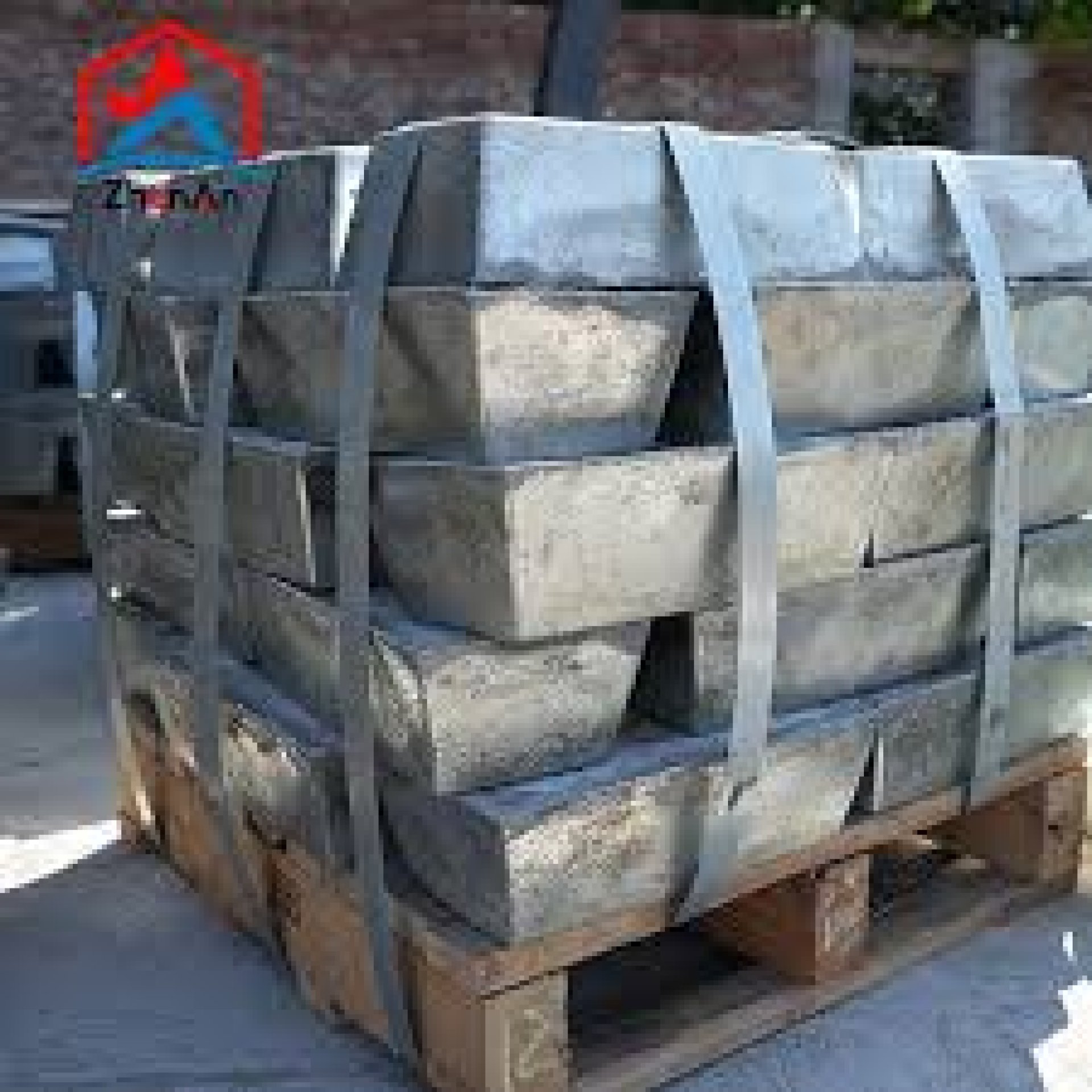
Antimony Ingot Price Trends and Outlook (CIF Rotterdam)
Latest Price: Antimony ingot (99.65% Sb) is currently around 25,450 USD/ton in the Chinese FOB market, while in Europe (CIF Rotterdam) it stands at 34,000–35,500 USD/ton as of December 2025. This reflects ongoing supply constraints and steady demand in the global market.
Price Overview
Europe (99.65% Sb): 34,000–35,500 USD/ton (Dec 31, 2025 – CIF Rotterdam)
China Domestic Market (99.65% Sb): 6,340–6,499 RMB/ton — restricted for domestic use due to government export controls. Converted to USD, this equals approximately 31,500–33,200 USD/ton.
Key Drivers and Recent Developments
Supply: China remains the world’s largest producer of antimony. Production and export restrictions directly impact global prices.
Demand: Antimony is used in batteries, refractory materials, and flame retardants. Demand continues to rise with the growth of new energy and electronics industries. It is also a critical raw material for advanced energy storage and military applications.
Currency and Logistics Costs: FOB China prices are significantly lower than in Europe and the US, reflecting transport and import duties. Exchange rate fluctuations and international economic policies directly affect final costs.
Recent Trend: Prices in China eased slightly at the end of 2025, while Europe and the US remained high. This slowdown followed reports that China may relax antimony export restrictions.
Price Outlook for 2026 (CIF Rotterdam)
Antimony ingot prices in 2026 are expected to rise modestly, supported by demand from the battery and flame-retardant industries. However, supply constraints from China and global economic volatility remain key risks. Prices are projected to move within 28,000–40,000 USD/ton.
Key Factors for 2026:
Supply from China: Export restrictions remain in place; any tightening will push prices higher.
New Energy Demand: EV and electronics industries continue to drive strong consumption.
Europe & US Markets: Prices remain 30–50% higher than China due to logistics and tariffs. Alternative sources (Central Asia, others) cannot yet replace Chinese supply.
Global Economy: A slowdown could reduce demand in construction and electronics, but industrial and energy-related demand remains resilient.
Historical Prices (CIF Rotterdam)
2021: 8,500–9,500 USD/ton — oversupply, multi-year low
2022: 12,500–15,000 USD/ton — recovery after COVID-19
2023: 16,000–19,000 USD/ton — rising demand from batteries (traditional & EV)
2024: 22,000–27,000 USD/ton — demand growth and Chinese export restrictions pushed prices higher
2025: 34,500–52,000 USD/ton — record highs due to supply shortages and export suspension
Future Forecasts:
2026: 30,000–35,000 USD/ton
2027: ~35,500 USD/ton
2028: ~37,000 USD/ton
2029: ~39,500 USD/ton
2030: ~41,000 USD/ton
Trend Interpretation
2025 Surge: Driven by tight supply and strong European demand.
2026–2030 Outlook: Prices expected to remain high, with gradual increases supported by structural demand in batteries and flame retardants.
Risks: A significant increase in Chinese production or a sharp global economic downturn could lower prices, though this is considered unlikely.
Conclusion
Antimony ingot prices remain on an upward trajectory. While 2026 may see a temporary dip due to China’s export relaxation, this is expected to be short-lived. Long-term demand from EVs, batteries, and military industries will continue to support high prices. With 90% of global antimony supply originating from China, alternative sources remain insufficient both in volume and quality, reinforcing China’s dominance in the market
Latest Price: Antimony ingot (99.65% Sb) is currently around 25,450 USD/ton in the Chinese FOB market, while in Europe (CIF Rotterdam) it stands at 34,000–35,500 USD/ton as of December 2025. This reflects ongoing supply constraints and steady demand in the global market.
Price Overview
Europe (99.65% Sb): 34,000–35,500 USD/ton (Dec 31, 2025 – CIF Rotterdam)
China Domestic Market (99.65% Sb): 6,340–6,499 RMB/ton — restricted for domestic use due to government export controls. Converted to USD, this equals approximately 31,500–33,200 USD/ton.
Key Drivers and Recent Developments
Supply: China remains the world’s largest producer of antimony. Production and export restrictions directly impact global prices.
Demand: Antimony is used in batteries, refractory materials, and flame retardants. Demand continues to rise with the growth of new energy and electronics industries. It is also a critical raw material for advanced energy storage and military applications.
Currency and Logistics Costs: FOB China prices are significantly lower than in Europe and the US, reflecting transport and import duties. Exchange rate fluctuations and international economic policies directly affect final costs.
Recent Trend: Prices in China eased slightly at the end of 2025, while Europe and the US remained high. This slowdown followed reports that China may relax antimony export restrictions.
Price Outlook for 2026 (CIF Rotterdam)
Antimony ingot prices in 2026 are expected to rise modestly, supported by demand from the battery and flame-retardant industries. However, supply constraints from China and global economic volatility remain key risks. Prices are projected to move within 28,000–40,000 USD/ton.
Key Factors for 2026:
Supply from China: Export restrictions remain in place; any tightening will push prices higher.
New Energy Demand: EV and electronics industries continue to drive strong consumption.
Europe & US Markets: Prices remain 30–50% higher than China due to logistics and tariffs. Alternative sources (Central Asia, others) cannot yet replace Chinese supply.
Global Economy: A slowdown could reduce demand in construction and electronics, but industrial and energy-related demand remains resilient.
Historical Prices (CIF Rotterdam)
2021: 8,500–9,500 USD/ton — oversupply, multi-year low
2022: 12,500–15,000 USD/ton — recovery after COVID-19
2023: 16,000–19,000 USD/ton — rising demand from batteries (traditional & EV)
2024: 22,000–27,000 USD/ton — demand growth and Chinese export restrictions pushed prices higher
2025: 34,500–52,000 USD/ton — record highs due to supply shortages and export suspension
Future Forecasts:
2026: 30,000–35,000 USD/ton
2027: ~35,500 USD/ton
2028: ~37,000 USD/ton
2029: ~39,500 USD/ton
2030: ~41,000 USD/ton
Trend Interpretation
2025 Surge: Driven by tight supply and strong European demand.
2026–2030 Outlook: Prices expected to remain high, with gradual increases supported by structural demand in batteries and flame retardants.
Risks: A significant increase in Chinese production or a sharp global economic downturn could lower prices, though this is considered unlikely.
Conclusion
Antimony ingot prices remain on an upward trajectory. While 2026 may see a temporary dip due to China’s export relaxation, this is expected to be short-lived. Long-term demand from EVs, batteries, and military industries will continue to support high prices. With 90% of global antimony supply originating from China, alternative sources remain insufficient both in volume and quality, reinforcing China’s dominance in the market


Related Content

Copper Insights (Copper: Cu) — The Strategic Metal of the Future
SO OK TRADING | October 22, 2026
Copper (Cu) is one of the earliest natural metals discovered and utilized by humankind for over 10,000 years. With its exceptional electrical conductivity and durability, copper has long been recognized as the “world’s standard metal,” powering energy industries, advanced technologies, and the modern economy.
As the world transitions toward clean energy and digital infrastructure, copper has become the backbone of global megatrends. From AI & Data Centers, Electric Vehicles (EVs), and Renewable Energy, to the Defense Industry, high-purity copper is indispensable across every stage of production.
The global copper market is entering a new Copper Supercycle — shifting from short-term oversupply to long-term structural deficits. Prices are projected to surge, potentially reaching $17,000 per ton by 2050, reflecting rising production costs and accelerating demand worldwide.
SO OK TRADING, as your trusted partner in Non-Ferrous Metals from Thailand, is committed to delivering world-class copper materials — including Copper Cathode Grade A and premium grades such as OFE / OF / ETP Copper — to support the sustainable growth of next-generation industries.
SO OK TRADING — FAST • SHARP • RELIABLE
22 Oct 2026
Global Aluminum Market Q4/2026 Analysis — SO OK TRADING
The global aluminum market has entered a short-term correction phase after reaching its highest level in four years. As of October 2026, the latest LME spot price stands at $3,019.50/MT, down about 7.5% from the previous month but still 8.5% higher year-on-year. This reflects intense volatility and a structural transition in the global metals market.
Leading financial institutions present diverse outlooks:
JPMorgan remains highly bullish, forecasting an average of $3,700/MT, driven by geopolitical risks and tight supply.
SO OK TRADING Insight expects recovery within $3,300–$3,400/MT, after building a base at $3,200–$3,280 in October, supported by digital infrastructure and clean energy demand.
Goldman Sachs takes a cautious stance, lowering its target to $2,950/MT, citing cyclical economic slowdown.
BMI (Fitch Solutions) projects a 2026 average of $3,100/MT, a clear rebound from the 2025 average of $2,631.
21 Oct 2026
Global Aluminum Market Outlook: Price Pressures and Future Trends (October 2026)
Aluminum futures on the London Metal Exchange (LME) plunged more than 2.6% in a single day and nearly 10% over the past month, reflecting mounting pressure from both macroeconomic factors and supply–demand dynamics. Meanwhile, other metals such as gold, copper, and zinc continued to rise, a phenomenon described as “Fundamental Decoupling.”
This correction is not merely a short-term signal but highlights structural changes in the industrial metals market. Aluminum, in particular, faces headwinds from rapid supply recovery and new production capacity coming online, while Chinese demand has failed to rebound as expected.
This post will dive into the macro, supply, and demand factors weighing on prices, analyze key technical support and resistance levels, and explore the long-term perspective that positions this downturn as a potential Buy on Dip opportunity for businesses reliant on raw materials.
9 Oct 2026
