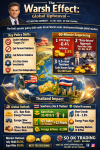
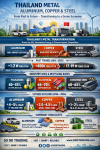
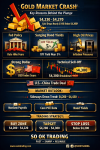
“Warsh Effect: The Fed Shakes the World – 90 Minutes That Rocked Global Markets, Thailand Rides the Wave | SO OK TRADING | FAST • SHARP • RELIABLE”
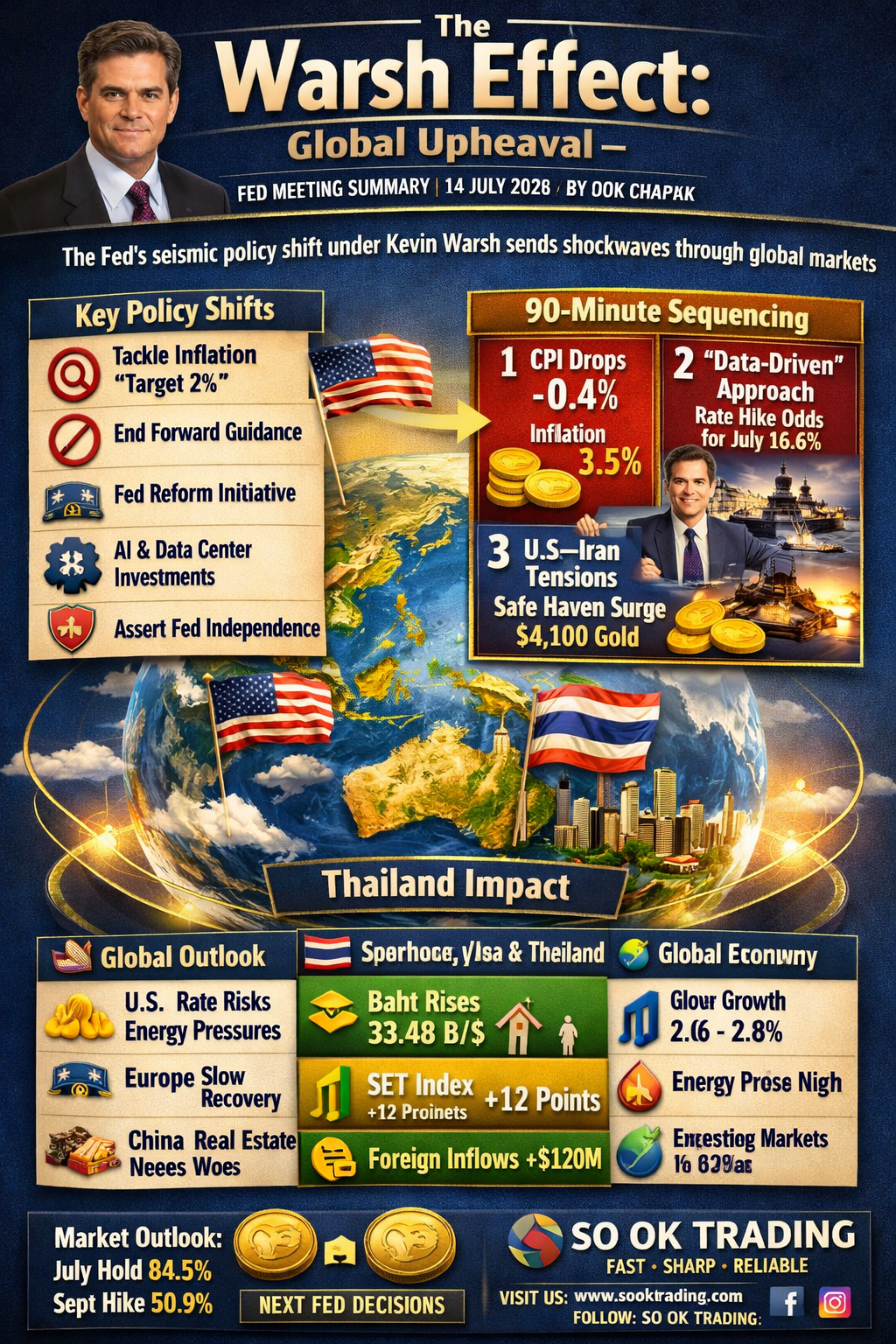
Warsh Effect: Global Shockwaves – Thailand Rides the Impact
FED MEETING SUMMARY | July 14, 2026 | BY SO OK TRADING
A Turning Point for Global Markets
The semiannual monetary policy testimony by Kevin Warsh, the new Federal Reserve Chair, on July 14, 2026, was more than a policy signal — it was a seismic shift that redefined the Fed’s communication structure and sent immediate shockwaves across global assets.
Key Highlights from Warsh’s Statement
Cracking Down on Inflation: Inflation is “an unfair tax,” with a clear target of returning to 2%.
End of Forward Guidance: Markets must rely on real economic data, not pre-set signals.
Fed Structural Reform: Five task forces established to overhaul communication, technology, balance sheet, and inflation analysis.
AI as a Growth Driver: Investment in data centers and AI infrastructure will boost productivity and ease inflationary pressures long-term.
Independence Reaffirmed: The Fed will not bow to political pressure, even from the White House.
⚡ The “90-Minute Sequencing” Phenomenon
Gold prices surged over $90, breaking $4,100/oz, triggered by two overlapping events within 90 minutes:
CPI Collapse
June headline CPI fell -0.4% MoM, YoY down to 3.5% (lowest in 6 years).
Investors dumped dollars and bonds, fueling gold’s rally.
Warsh’s Moderate Tone
No immediate rate hike announced.
Emphasis on data-driven decisions.
July hike odds dropped from 41% → 16.6%.
Geopolitical Tensions
U.S.–Iran clashes in the Strait of Hormuz.
Investors rushed into safe-haven assets.
Global Economic Outlook
United States: Resilient economy, but pressured by high rates and energy costs.
Europe: Slow recovery due to energy crisis and weak investment.
China: Property sector woes persist, but AI and infrastructure investment provide support.
Global GDP: Growth only 2.6–2.8%, with “Higher for Longer” interest rates.
Thailand’s Economic Outlook
GDP Growth: 1.5–1.8%, lowest in the region.
Domestic Challenges: High household debt, stagnant income, political uncertainty.
Strategic Role: Thailand remains the Detroit of Asia (EV hub), a logistics gateway, and a magnet for cloud data centers.
Impact on Thai Markets
Thai Baht strengthened → ฿33.48/$
SET Index rebounded +12 points → 1,638
Foreign inflows surged → ฿3.99 billion net buying
Despite domestic fragility, Thailand maintains a key role in global supply chains, especially in EV and digital infrastructure.
Fed Meeting Outlook
July 29, 2026: Hold rates → 84.5% probability (“Skip” expected).
September 16, 2026: Hike 0.25% → 50.9% probability (“Coin flip” scenario).
Strategic Takeaways
Gold: Supported by cooling inflation + geopolitical risk.
Dollar: Weakened on softer CPI.
Global Equities: Favor controlled inflation environment.
Thailand: Benefits from stronger Baht and foreign fund inflows.
✨ Conclusion
Under Warsh, the Fed ushers in a new era of data-driven monetary policy, where monthly economic reports dictate market direction. For Thai investors, this is the moment to recalibrate portfolios — focusing on safe-haven assets, high-dividend stocks, and sectors buoyed by foreign inflows — while keeping a close eye on the September Fed meeting, the “real battleground” for rate decisions.
SO OK TRADING Your Trusted Business Partner — FAST • SHARP • RELIABLE www.sooktrading.com Facebook: SO OK TRADING