“April on Fire: Peace Deal or Global Economic Storm – Middle East War, Trump vs Iran, Oil, Gold, Plastics, and Stocks in Turmoil”
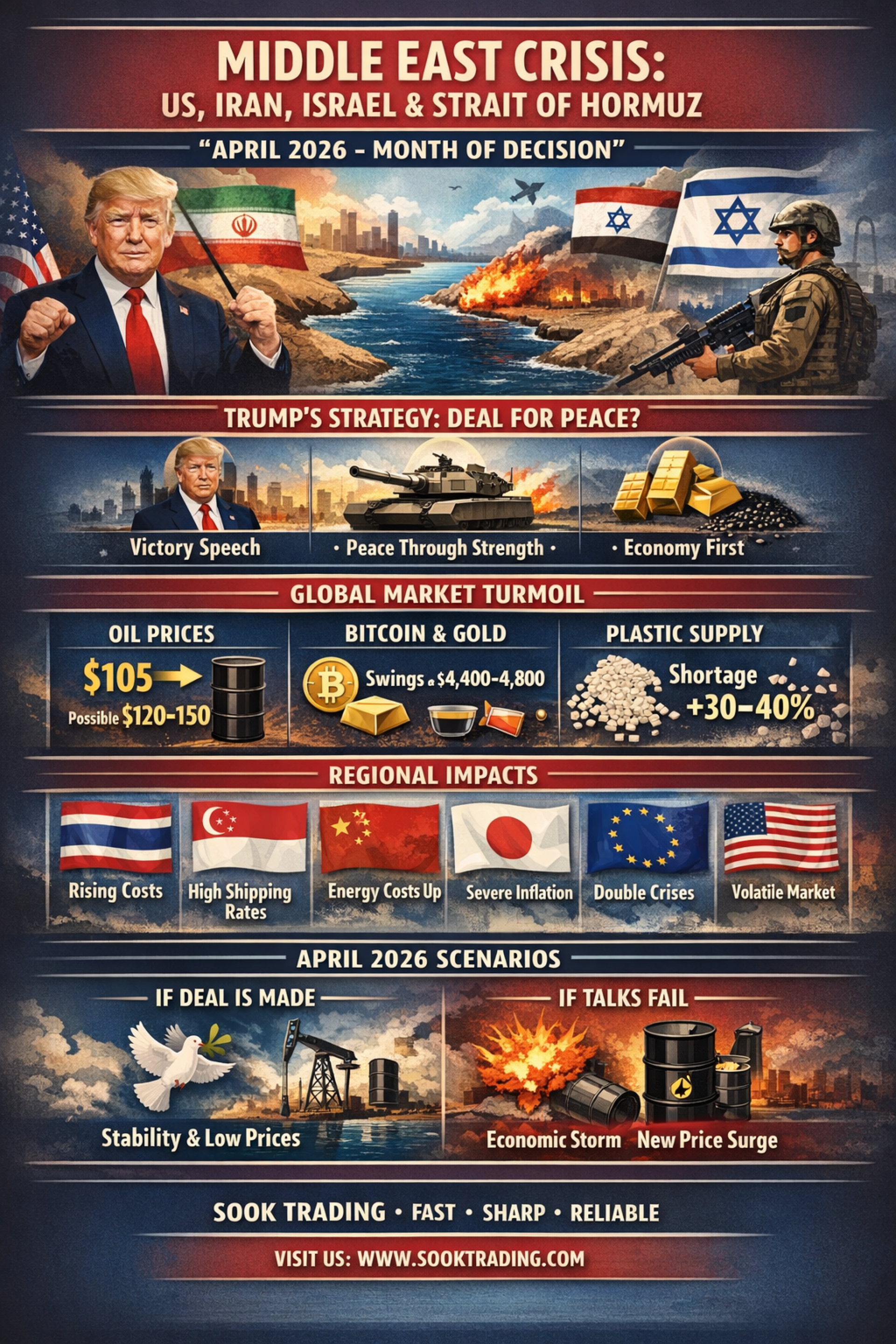
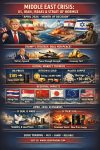
Middle East War: USA, Iran, Israel and the Strait of Hormuz
April 2026 – The Month of Global Reckoning
⛽ Expensive Oil • Plastic Shortages • Fertilizer & Urea Crisis • Inflation Surge • Stock Market Decline • Gold Volatility Analysis by SOOK TRADING | April 2, 2026
The World in a “Calm Before the Storm”
President Donald Trump has signaled that the conflict with Iran is nearing its end, yet behind the scenes the situation remains filled with economic pressure and geopolitical risks.
Trump’s Strategy: “Deal for Peace”
Symbolic Victory Declaration: Trump uses short, powerful messages to tell the world, “I control the situation.”
Peace Through Strength: While speaking of peace, the U.S. continues to maintain full military readiness.
Economy First: Signals of easing tensions immediately lowered oil and gold prices, using security as a tool to stabilize global markets.
Global Market: Ongoing Volatility
Crude Oil: Current price $105.5 per barrel. In April, prices may surge to $120–150 if negotiations fail, driving shipping costs and inflation higher.
Gold & Bitcoin: Gold swings between $4,400–4,800; Bitcoin remains volatile, reacting to Trump’s statements.
Plastics & Packaging: Thai olefins plants halted due to “naphtha” shortage, pushing plastic resin prices up 30–40%. Packaging shortages drive consumer goods prices higher.
Regional Impacts
Thailand: Rising living costs from oil and plastic shortages; government seeks alternative energy sources.
Singapore: Shipping costs surge, disrupting food import supply chains.
China: Higher energy costs hit manufacturing and exports.
Japan: Severe inflation; government announces nationwide energy-saving measures.
EU: Double crises from both Russia–Ukraine and Middle East tensions.
USA: Despite domestic oil production, markets remain volatile, reacting to Trump’s stance.
April 2026 Scenario Assessment
Critical 2–3 Weeks: Trump claims the mission is nearly complete, but if Iran rejects conditions, conflict may escalate.
Infrastructure Risks: U.S. threatens strikes on Iranian power plants; retaliation likely.
Strait of Hormuz: A decisive factor — continued closure or disruption will send energy and shipping costs soaring.
Oil Prices: If talks succeed, prices stabilize at $95–105; if talks fail, prices may exceed $150.
Plastics & Packaging: Shortages persist, affecting frozen foods, beverages, and consumer goods.
Global Inflation: Energy volatility may add +0.8% to global inflation, dragging down economic growth.
⚖️ Conclusion
April 2026 is the month of “reckoning” — between negotiation and final confrontation.
If a peace deal is reached → The world enters a phase of relief, with stable energy prices.
If talks collapse → A new economic storm emerges, with oil and plastics soaring.
SOOK TRADING Recommendations
✅ Diversify raw material supply chains ✅ Plan cost structures in advance ✅ Closely monitor political signals
SOOK TRADING – FAST • SHARP • RELIABLE www.sooktrading.com