Share

Gold Soars! Eyes on the $5,000/oz Target." "Q1/2026: Gold Surges to a New All-Time High" By SO OK TRADING
Last updated: 19 Jan 2026
3982 Views

Gold Prices Surge to Record Highs in Q1/2026

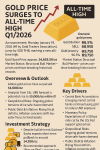
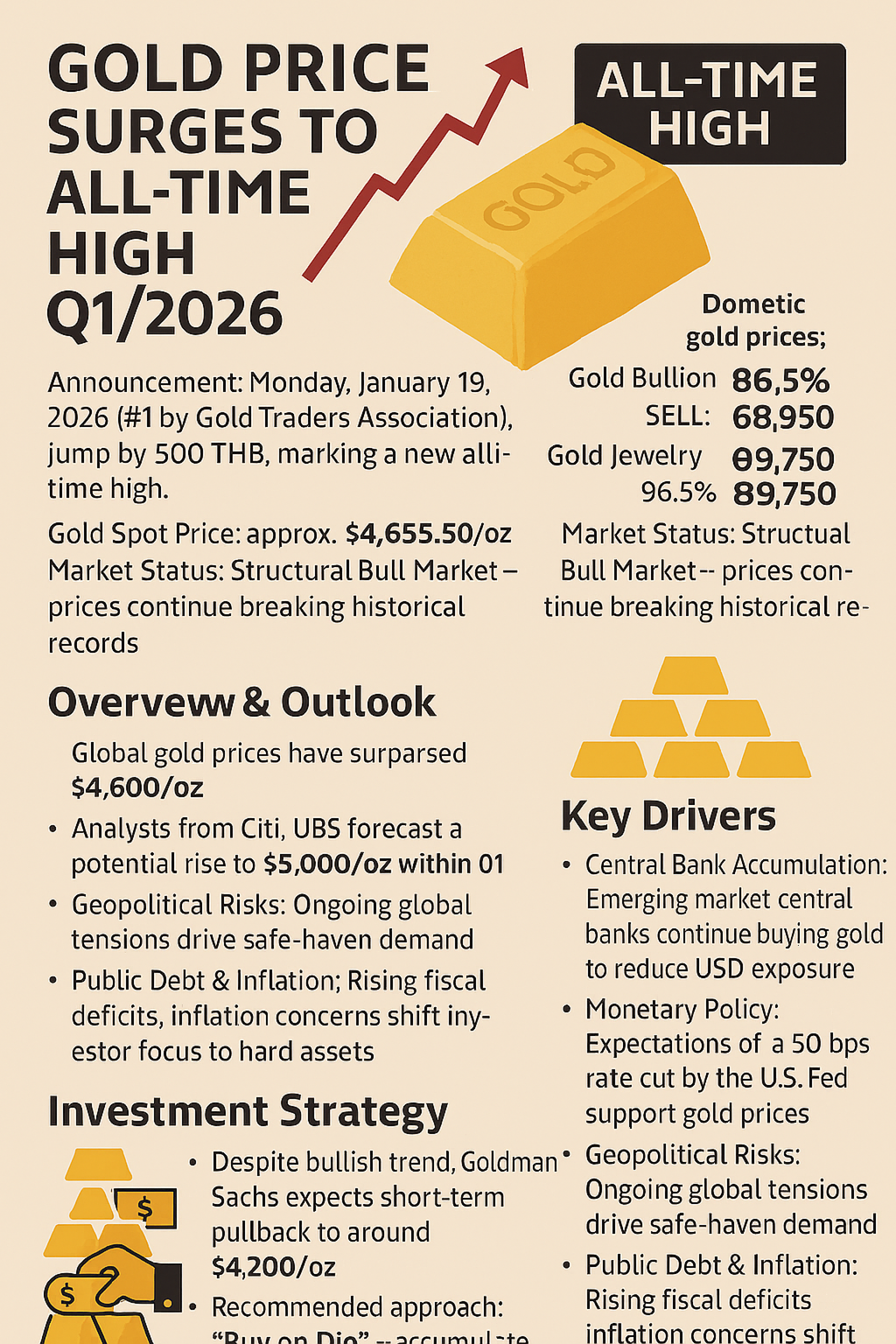
On January 19, 2026, domestic gold prices in Thailand soared by 500 THB, setting a new all-time high. Gold bullion (96.5%) is selling at 68,950 THB, while gold jewelry has surpassed 69,750 THB. Meanwhile, global gold prices (Gold Spot) climbed above $4,655/oz, reaching $4,700/oz at 10:15 AM, marking a Daily All-Time High and confirming the global market’s entry into a Structural Bull Market.

Market Overview & Outlook

Global gold prices broke past $4,600/oz, currently at $4,670/oz. Analysts from Citi and UBS forecast a potential rise to $5,000/oz within Q1.
Thai gold prices are approaching 70,000 THB, with some forecasts suggesting they could reach 72,000 THB if supportive factors remain strong.
Key Drivers

Central Banks Buying Gold: Strong demand as governments stockpile reserves to reduce reliance on the U.S. dollar.
U.S. Monetary Policy: Fed expected to cut interest rates by 50 bps this year, weakening the dollar and boosting gold’s safe-haven appeal.
Geopolitical Risks: Ongoing disputes (e.g., Greenland issue, EU’s 10% tariff hike) drive investors toward gold.
Public Debt & Inflation: Rising deficits and inflation pressures accelerate the shift toward “hard assets” and de-dollarization.
Investment Forecast

Goldman Sachs sees potential short-term corrections near $4,200/oz, but the broader trend remains bullish. Most analysts recommend “Buy on Dip”, with year-end targets between $4,900–$5,000/oz. Jefferies projects highs up to $6,600/oz.

SO OK TRADING Outlook

Thai gold bullion may break 70,000 THB in January, with Q1 forecasts ranging between 68,000–73,000 THB. By year-end, prices could reach 75,000 THB, especially if the baht weakens.
Global gold prices are expected to hit $4,850/oz by end-January, with Q1 targets at $5,000/oz and year-end projections of $5,200–$5,300/oz.
 

SO OK TRADING believes this surge represents a strategic opportunity for Thai businesses and investors seeking to hedge risks and strengthen portfolio stability. With careful monitoring and the right strategies, you can step confidently onto the global stage. Despite volatility, opportunities remain bright.


Related Content
“Aluminum Recycling (Remelt): Thailand Aluminum 4.0 – Powering a Low‑Carbon Economy and Building a Sustainable Green Future”   SO OK TRADING Insight | 30 SEP 2026
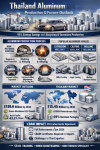
Thailand’s Aluminum Industry: Structure, Production, and Future Outlook SO OK TRADING | 30 SEP 2026 Thailand’s aluminum industry is emerging as a vital pillar in the global supply chain, particularly in the automotive, construction, and packaging sectors. Although the country does not possess bauxite mines or primary smelters, it has built strong competitiveness through secondary production, recycling aluminum scrap, and producing billets for extrusion. This approach reduces energy consumption by up to 95% compared to primary production, aligning perfectly with global decarbonization and sustainability goals. As the world accelerates toward a Low‑Carbon Economy and stricter environmental measures such as the EU CBAM (Carbon Border Adjustment Mechanism) take effect, Thailand’s aluminum industry must adapt rapidly. This includes advancing production technologies, improving waste management, and integrating renewable energy to maintain competitiveness in international markets. SO OK TRADING, as a trusted partner in Thailand’s non‑ferrous metals sector, provides deep insights into production structures, smelting processes, popular aluminum grades, and both global and domestic market outlooks. These perspectives highlight the industry’s transformation toward a sustainable, value‑added future.
30 Sept 2026
“Global Aluminum Market After the Peace Accord – A Turning Point Toward New Balance in Price and Supply”
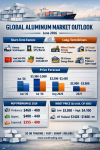
Global Aluminum Market After the Peace Accord – In‑Depth Analysis Price and Supply Outlook as of June 20, 2026 By SO OK TRADING Following the breakthrough peace agreement between the U.S. and Iran and the reopening of the Hormuz Strait, the global metals market reacted immediately. Aluminum prices, which had surged past $3,700/MT, dropped sharply to $3,400/MT within a week — a classic “knee‑jerk drop” reflecting the disappearance of the geopolitical risk premium. But this is not a permanent downturn. The market is entering a phase of “adjustment toward a new balance”, with short‑term pressures and long‑term drivers coexisting.
20 Jun 2026
This website uses cookies for best user experience, to find out more you can go to our Privacy Policy and Cookies Policy
Powered By MakeWebEasy Logo MakeWebEasy