Trend agricultural product from Thailand cassava starch , natural rubber
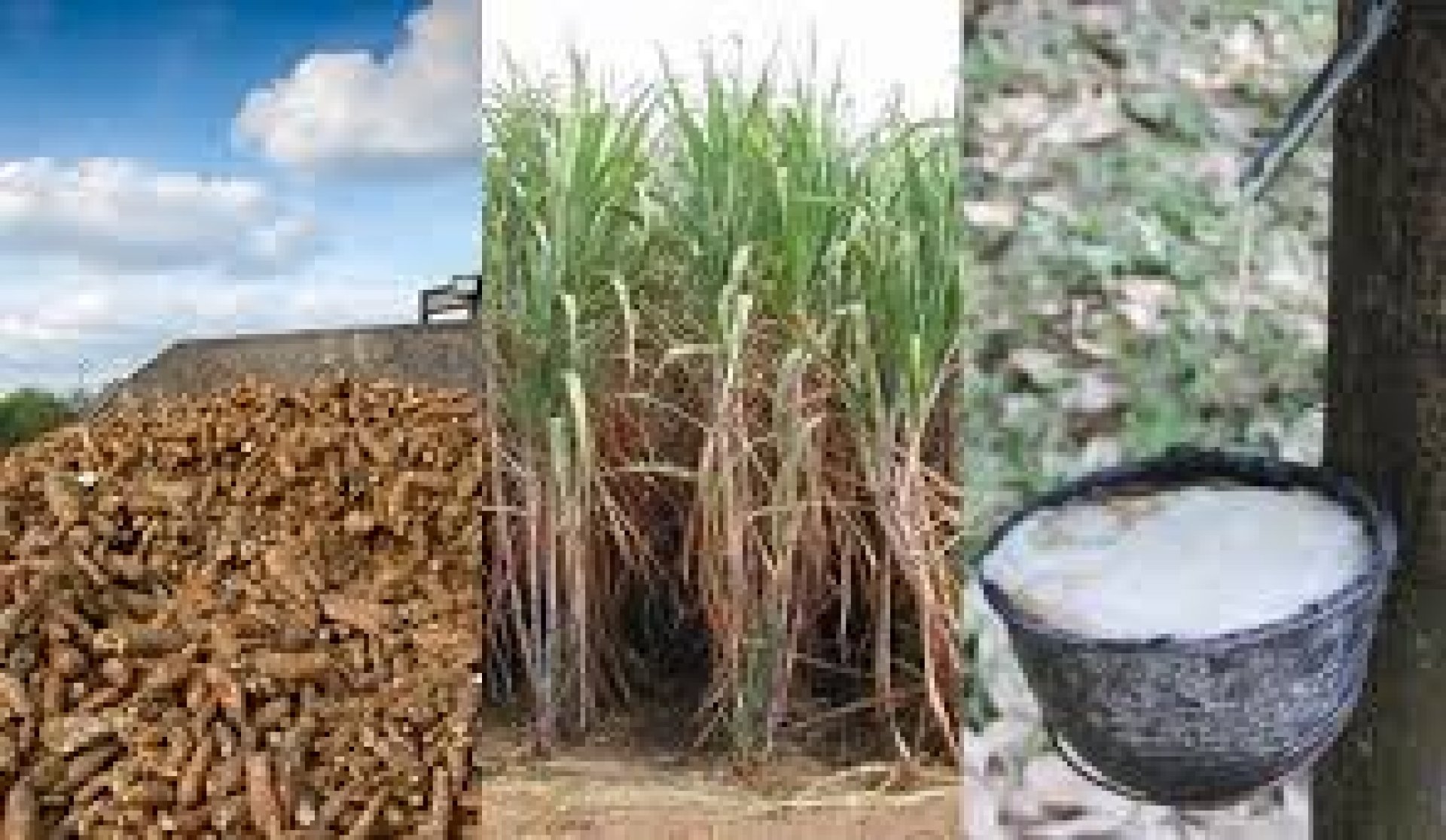
BACK GROUND ON THAILAND CASSAVA AND NATURAL RUBBER
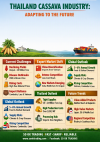
Thailand is a global leader in exporting both cassava starch (especially native and modified) and natural rubber, dominating the market with high export volumes, particularly to China for cassava products and serving as the world's top rubber supplier, with exports growing despite global shifts, showing strong agricultural export performance. Cassava starch and chips go mainly to Asian markets like China, while rubber maintains its strong global position.
Cassava Starch Exports
Dominant Exporter: Thailand is the world's largest exporter of cassava products, holding a significant global market share.
Key Products: Major exports include native tapioca starch and modified tapioca starch, with high value-added potential.
Main Markets: China is the primary destination for cassava products, followed by Japan, Indonesia, Taiwan, and Malaysia.
Market Drivers: Demand is influenced by food processing, paper, beverage, and textile industries, with modified starch also used in cosmetics and medicine.
Natural Rubber Exports
World's Top Supplier: Thailand is consistently the world's leading source of natural rubber.
Significant Supply: In 2021, Thailand supplied over a third (37.5%) of the world's natural rubber.
Strong Performance: Natural rubber exports have seen healthy gains, contributing to Thailand's overall agricultural export strength.
Overall Export Performance
Agricultural Powerhouse: Thailand's agricultural exports, including cassava and rubber, showed strong growth in 2024, solidifying its "Kitchen of the World" status.
Strategic Importance: These exports highlight Thailand's competitive edge in key agricultural commodities, adapting to changing global trade landscapes.
TREND AND FUTURE MOVE FOR THAILAND CASSAVA AND NATURAL RUBBER
Thailand's cassava starch and natural rubber exports from 2026-2030 face mixed trends: Cassava exports might see short-term dips due to raw material shortages (El Niño risk), but long-term growth driven by high-value modified starch and Chinese demand for alternatives to corn. Rubber exports are expected to strengthen with growing global demand and supply shortages, benefiting from Thailand's strong manufacturing, though facing price volatility and competition.
Cassava Starch (2026-2030)
Short-Term Headwinds (2026-2027): Expect potential export volume decreases in native starch and chips due to raw material scarcity from El Niño and border issues, despite strong Chinese demand.
Long-Term Growth Areas:Modified Starch: High-value demand from pharmaceuticals, cosmetics, food, and paper industries is expected to drive consistent growth.
Chinese Demand: China's need for animal feed (post-African Swine Fever) and ethanol will sustain demand for cassava chips and starch.
Market Position: Thailand aims to remain a top global exporter, focusing on value-added products and diversifying markets.
Natural Rubber (2026-2030)
Strong Demand: The global market is projected for significant growth, with increasing shortages anticipated through 2028, benefiting Thailand.
Production & Exports: Output and exports for technically specified rubber (TSR) are forecast to strengthen, driven by major markets like China and the US.
Value-Added Focus: Thailand's strong manufacturing base supports exports of various rubber products, with potential for further revenue from diversification.
Key Drivers: Continued growth in tires, medical gloves, and other polymer products will fuel demand.
Key Factors Influencing Both
China: Remains a crucial market, but shifts in its domestic policy (e.g., corn stocks) impact demand.
Climate Change: El Niño events pose a significant threat to cassava supply.
Price Volatility: Fluctuations in raw material costs and global demand will affect profitability.
Sustainability: Government focus on sustainable practices and value addition will shape future exports.
------
IF YOU HAVE INQUIRY / DEMAND ON CASSAVA , CASSAVA PELLETS , THAIRUBBER , BIO-CHEMICAL ETC. PLEASE CONTRACT TO SO OK TRADING TO GET THE PREMIUM PRODUCT & RELIABILITY SOURCE FRO THAILAND
------