Rubber Wood , useful and it application
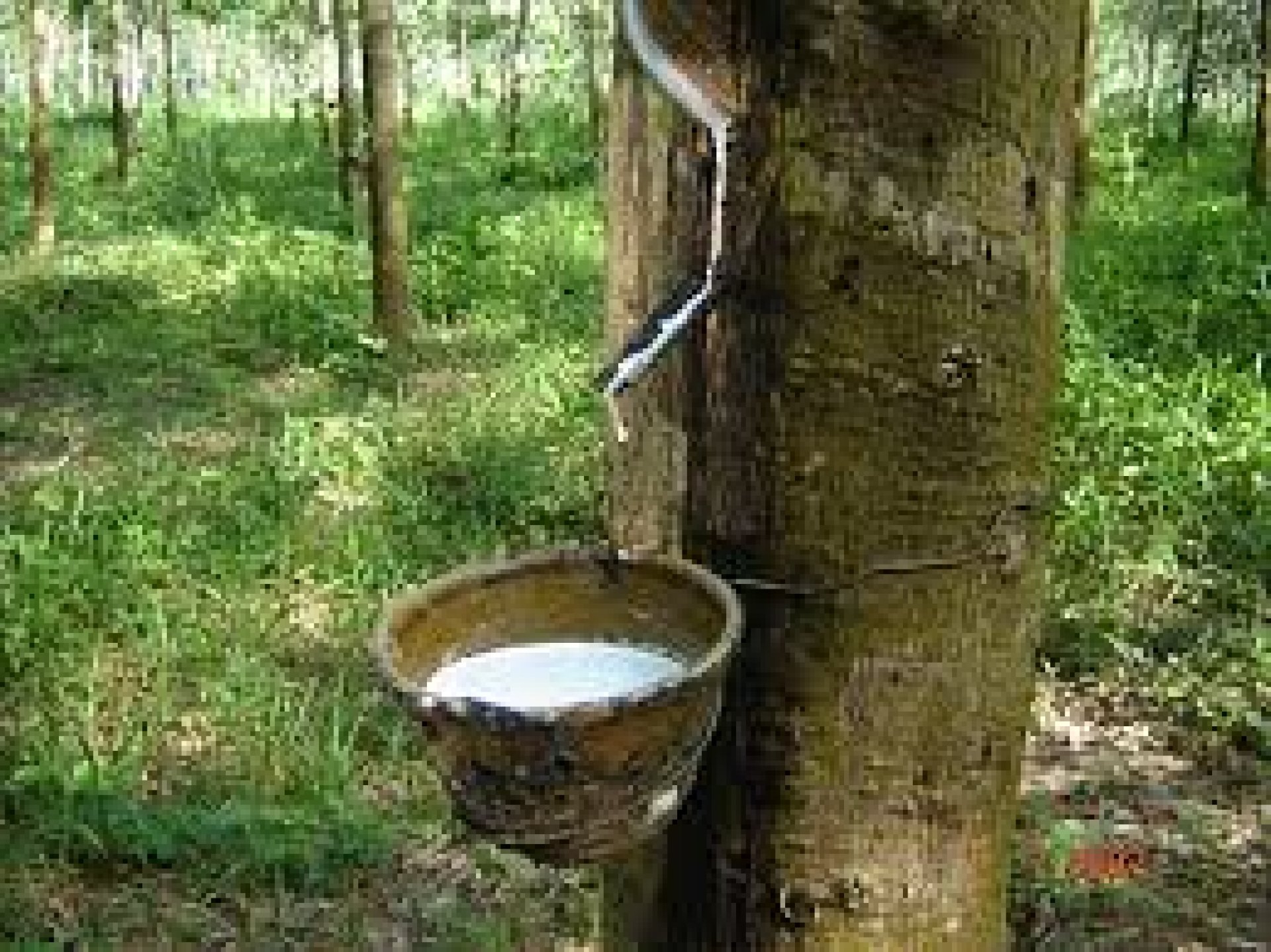
Thai Rubber Useful and it Application
Thai rubber is highly useful due to its unique properties (strength, elasticity, water resistance, and electrical insulation) and Thailand is the world's leading producer and exporter of natural rubber. It is used in a vast array of industrial, medical, and consumer product applications.
Uses and Applications of Thai Rubber
Thailand primarily produces natural rubber in forms such as ribbed smoke sheets (RSS), Standard Thai Rubber (STR), and concentrated latex. These materials are then used in the manufacturing of various products globally.
Key applications include:
Automotive Industry
The automotive sector is a major consumer of Thai natural rubber.
Tires for cars, trucks, and aircraft.
Auto parts such as durable seals, belts, hosing, gaskets, and vibration dampening components.
Healthcare Industry
Natural rubber's flexibility and biocompatibility make it essential for medical and surgical supplies.
Medical and surgical gloves.
Catheters and breathing bags.
Hot water bottles.
Industrial Sector
Rubber is extensively used in various industrial processes and products.
Adhesives and sealants.
Protective coatings and wire sheathing.
Construction materials, including latex-modified concrete to enhance structural integrity.
Shock absorbers and engine mountings.
Conveyor belts and general hosing/piping.
Consumer Goods and Everyday Life
Thai rubber is present in countless everyday items.
Footwear and shoes.
Mattresses and cushioning.
Balloons and toys.
Sporting goods like golf balls and gym balls.
Erasers, rubber bands, and floor coverings/mats.
Innovative products such as thermoplastic natural rubber (TPNR) traffic cones, which offer increased tear resistance and durability.
Economic and Environmental Significance
The Thai rubber industry is largely driven by smallholder farmers and is a cornerstone of the national economy, supporting the livelihoods of millions of people.
Sustainability: Rubber plantations act as carbon sinks and can prevent soil erosion, offering an eco-friendly alternative to synthetic, petroleum-based rubber. Innovations in agroforestry also help promote biodiversity and provide farmers with additional income streams.
Innovation: Research and development efforts by organizations like the Rubber Authority of Thailand (RAOT) and universities aim to improve efficiency, create higher value-added products, and encourage sustainable practices in line with the Bio-Circular-Green (BCG) economic model.
Global Trade: Thailand maintains its position as the top global exporter of natural rubber, with major markets including China, Japan, and the United State
Export Volume of Thai Rubber
Thailand is the world's top rubber exporter, with recent volumes fluctuating but remaining substantial; for example, in the first five months of 2025, natural rubber exports were around 1.2 million tonnes (decreasing slightly), while mixed rubber exports surged by 55% to 747,000 tonnes, primarily to China, demonstrating Thailand's critical role in global rubber supply for industries like tires and gloves.
Recent Export Trends & Data
Early 2025: In Jan-May 2025, Thailand exported approximately 1.2 million tonnes of natural rubber (excluding mixed) and 747,000 tonnes of mixed rubber, with significant growth in mixed rubber exports to China.
2024: Overall rubber exports reached approximately 3.86 million tonnes, with China being the largest destination.
2022: Total natural and mixed rubber exports reached 4.91 million tonnes, with China taking over 2.68 million tonnes.
Key Export Destinations
China: Consistently the largest market, absorbing significant volumes of standard rubber, latex, and mixed rubber.
Malaysia, US, Japan, South Korea: Also major importers of Thai rubber products.
Types of Rubber Exported
Standard Rubber (TSR): A key component for tires.
Concentrated Latex: Used in medical gloves (like during the pandemic) and other elastic products.
Mixed/Compound Rubber: Growing in importance, often used for wheels and other industrial parts.
Why Thailand is a Leader
Ideal tropical climate for cultivation.
Advanced production and processing methods.
Focus on intermediate rubber goods for global markets.
For the most up-to-date figures, check reports from sources like the Observatory of Economic Complexity (OEC), Krungsri Research, and Sunsirs, as data is constantly updated.
-----------
The future of Thai rubber looks promising, driven by strong demand from booming EV, auto parts, and medical sectors, plus government infrastructure projects, while facing challenges like competition from neighboring countries and the need to meet sustainability (EUDR) standards, with strategies focusing on innovation, agroforestry, and supporting smallholders to boost quality and income.
Key Growth Drivers
Automotive & EV Boom: Rising global EV production and auto part demand, fueled by government incentives, significantly boost rubber consumption.
Healthcare Demand: An aging global population and pandemic preparedness increase demand for medical supplies like latex gloves.
Infrastructure Spending: Increased public works projects create demand for rubber in construction.
Supply Stability: La Niña weather patterns and disruptions in Malaysia/Indonesia benefit Thai supply.
Challenges & Opportunities
Competition: Neighboring CLMV countries (Cambodia, Laos, Myanmar, Vietnam) pose price competition.
Sustainability (EUDR): EU Deforestation Regulation requires proving rubber isn't from deforested land, a challenge for smallholders lacking land titles.
Price Volatility: Global economic factors and competition can soften prices despite demand.
Smallholder Support: Over 90% of Thai rubber comes from smallholders, requiring support for better practices.
Strategic Responses
Agroforestry: Planting other crops (bamboo, coffee, fruit) with rubber enhances soil, boosts yields, diversifies farmer income, and builds climate resilience.
Innovation & Diversification: Moving into higher-value products like concentrated latex and compounds.
Government & Industry Initiatives: The Rubber Authority of Thailand (RAOT) is developing new tools, supporting sustainability projects (like training 1,000 farmers in agroforestry by 2025), and securing market access.
Capacity Expansion: Companies are investing in expanded processing capacity.
In essence, Thailand's rubber future hinges on leveraging strong downstream demand while adapting to sustainability pressures through innovation and farmer support, positioning itself as a quality supplier in a competitive global market. -----------
if interested SO OK TRADING can supply rubber (Thai Rubber for export) please give us Inquiry


